New :


David Weiss
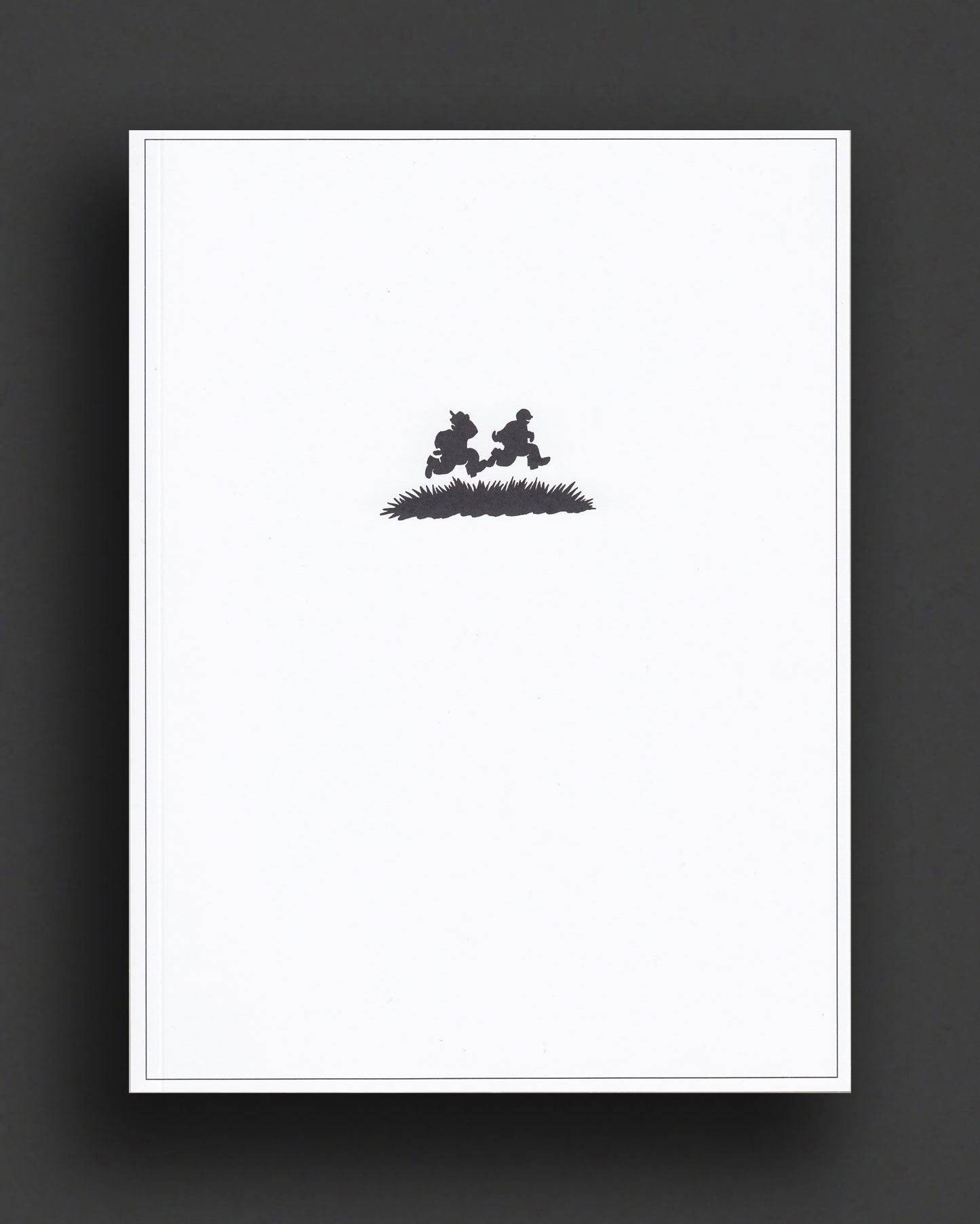
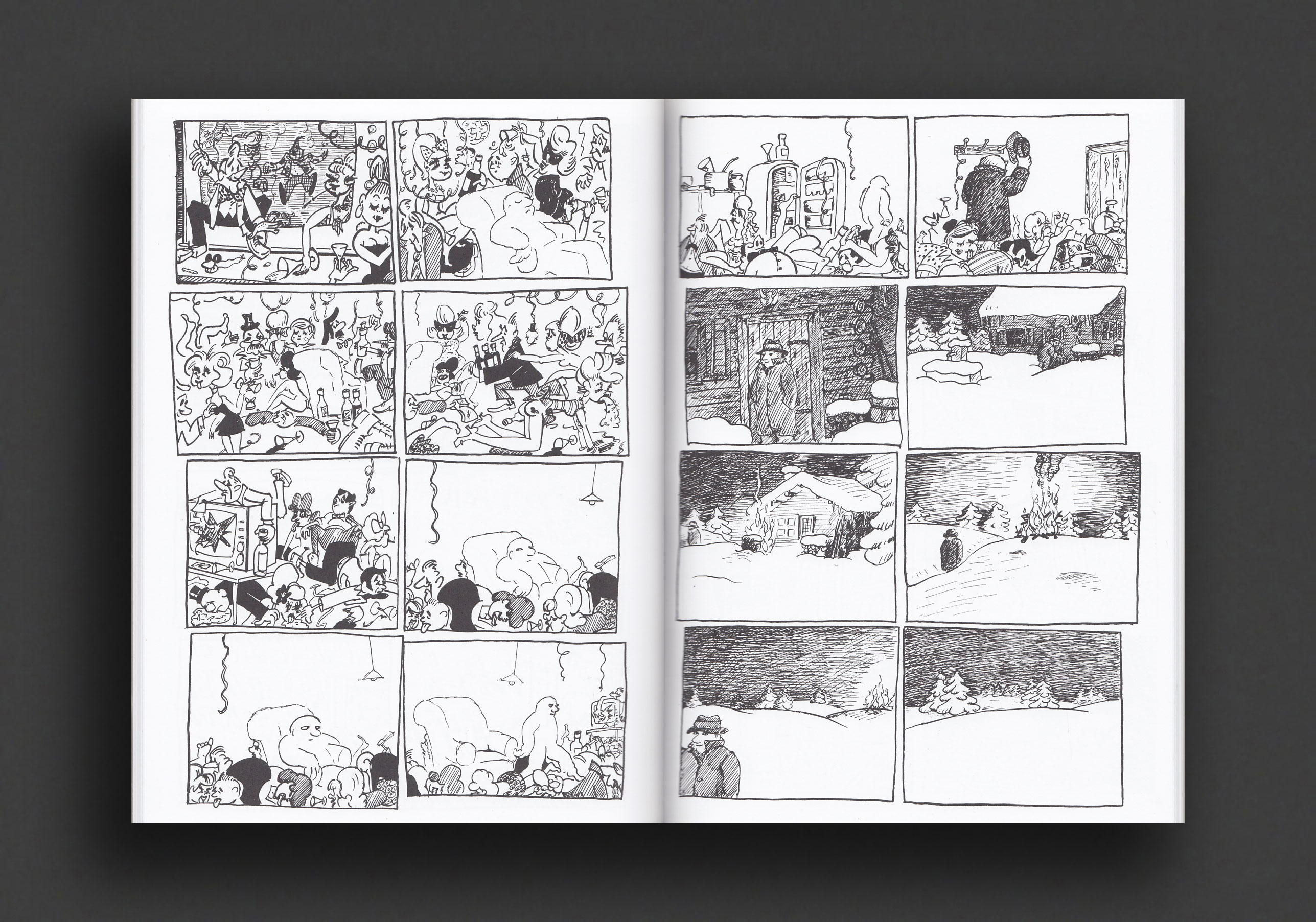
Drei Geschichten
1974 / 2025, English
Softcover, 28 pages, 24.4 x 18.2 cm
$48.00 - In stock -
Three subtle stories, told in 200 drawings across 28 pages.
Drei Geschichten was created between January and May 1973 in Zurich and Carona and was published in 1974 in an edition of 500 copies by Galerie Stähli in Lucerne. In 2014, Drei Geschichten was published - revised as a Comix - in the collection Nine Books 1973-1979, initiated by David Weiss (1946-2012), by Edition Patrick Frey. This new edition was published in summer 2025 on the occasion of the exhibition David Weiss Il sogno di Casa Aprile – Carona 1968-1978 at MASI in Lugano.
Park McArthur
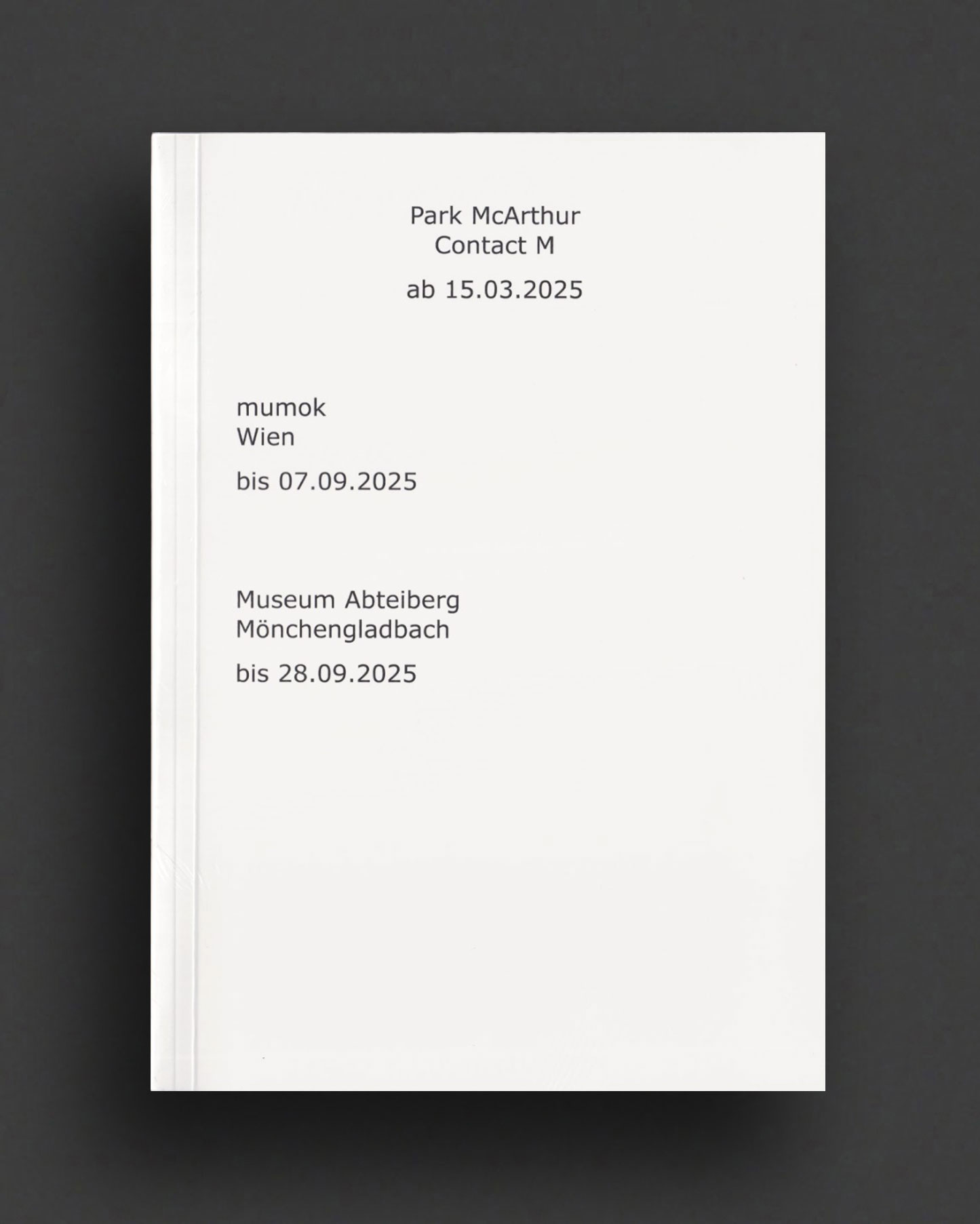
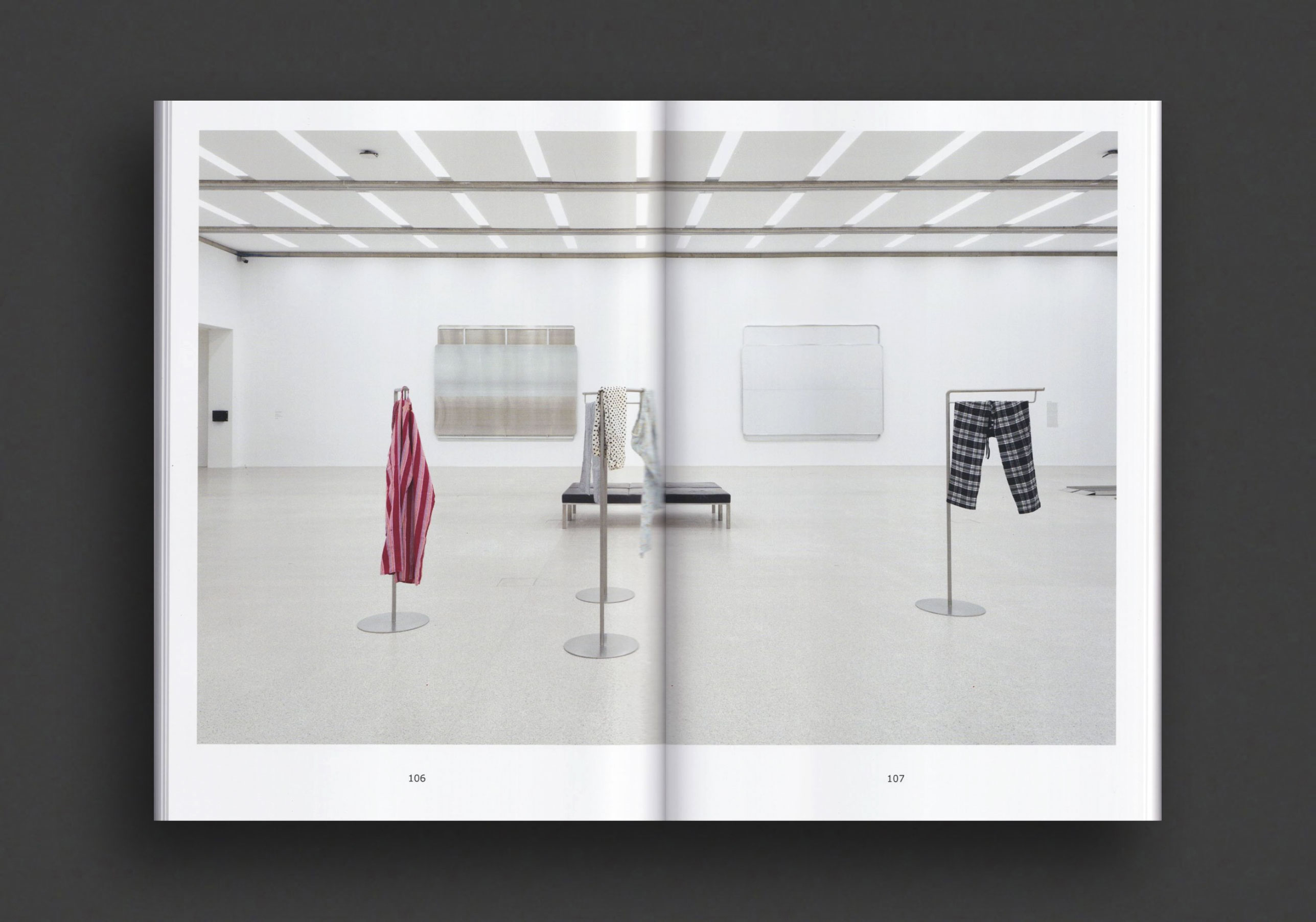
Contact M
2025, English / German
Softcover (w. foam board insert), 216 pages, 29.7 x 21 cm
$89.00 - In stock -
Produced on the occasion of the exhibition Park McArthur: Contact M bringing together, for the first time, artworks made between the 2010s and 2020s. These artworks and the forms they take are guided by personal and social meanings of disability, delay, and dependency.
Co-organized by Museum Abteiberg, Mönchengladbach and mumok in Vienna, the exhibition is a collaboration between both institutions and will be presented simultaneously at both locations. Questions of simultaneous experience and access to art and culture shape this project’s format and purpose.

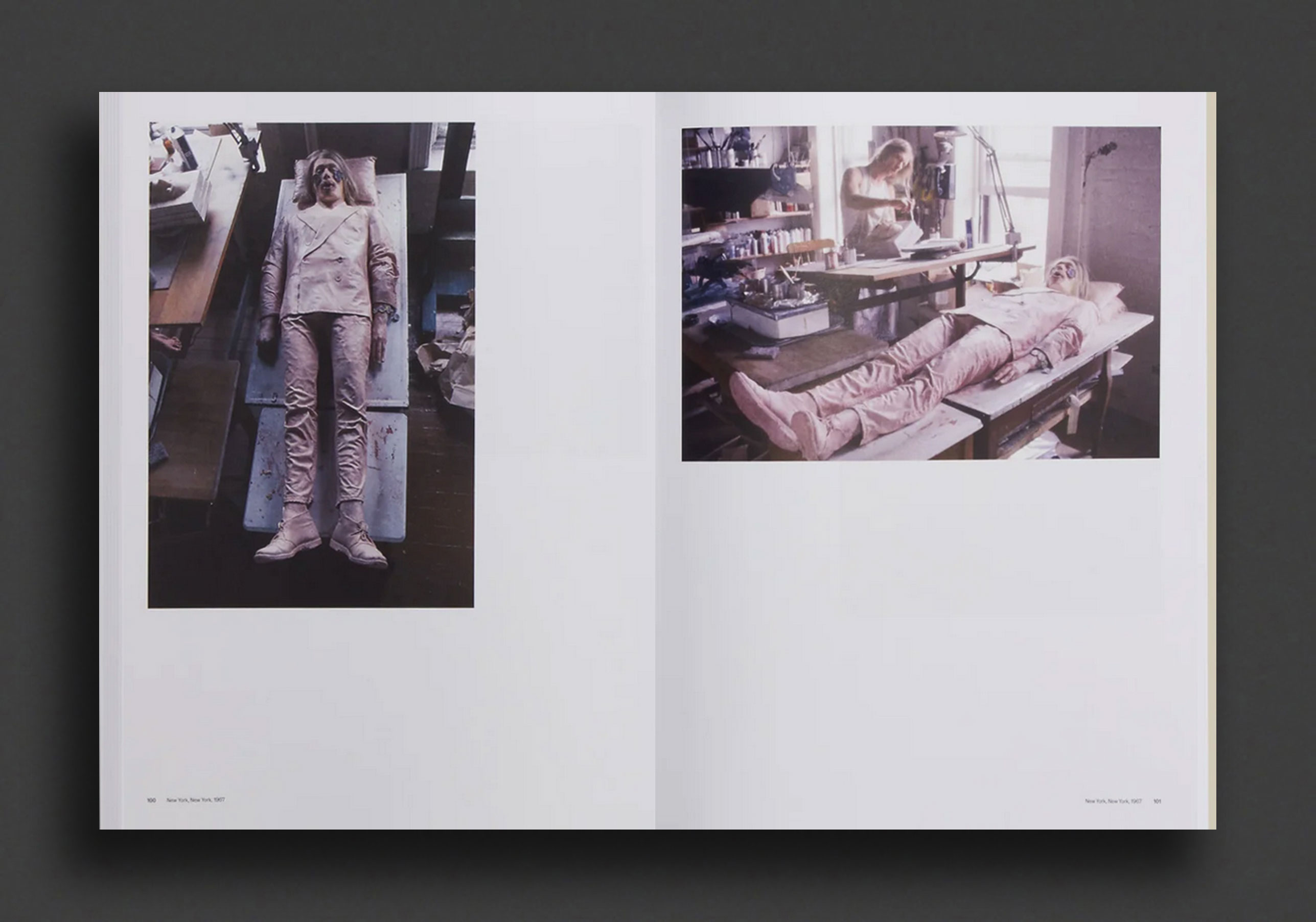
Paul Thek and Peter Hujar — Stay away from nothing
Text by Paul Thek. Photographs by Peter Hujar.
2025, English
Softcover, 192 pages, 30.5 x 23 cm
$68.00 - In stock -
Stay away from nothing shines a spotlight on the deep relationship between Paul Thek and Peter Hujar through the artists’ letters and photographs. Beginning in 1956 and spanning two decades, the publication opens a window into their intimate, complex, and beautiful lives, starting with a sequence of images by Hujar that showcases the two of them in innocent moments of pensive and haunting play in Coral Gables and beyond.
These early portraits of their budding relationship are followed by Thek’s first letter to Hujar in 1962, written while the artist is in the Philadelphia harbor aboard a containership bound for Europe. In the letter, Thek is brimming with joy and new discoveries and exclaims that the world “seems bigger and more gloriously strange than ever before in my entire life.” The two eventually meet in Rome, where they both begin to evolve into the icons we know them as today, and the remaining letters trace Thek’s travels and adventures, romantic dalliances, work, and financial ups and downs through 1975. More than fifty letters and postcards, along with drawings and other ephemera, are reproduced in Stay away from nothing and their poetic, quotidian, and melancholic tone provide a rare glimpse into Thek and Hujar’s relationship as it waivers with seduction, glamor, tumult, and mischievousness.
Throughout this period, Hujar was photographing Thek in his now iconic style, capturing him in Italy, in various studios, and on the beaches of Fire Island. Included are the artist’s now-classic images of Thek in the catacombs in Palermo, as well as his studio portraits of the artist creating The Tomb. Among these well-known works are dozens of other photographs, many unpublished until now, including candid portraits of Thek, as well as images of the two artists goofing around or posing for passport photos. Collectively, these images demonstrate not only the complex emotional interiority of Thek but the tender, dark, and hopeful connection between the two artists, lovers, and friends.
An afterword is provided by Andrew Durbin, author of A Wonderful World that Almost Was, a biography of Peter Hujar and Paul Thek.
Eichwald (Michaela Eichwald)
Edited by Elena Filipovic and Renate Wagner
2025, English / German
Softcover, 288 pages, 28 x 23 cm
$130.00 - In stock -
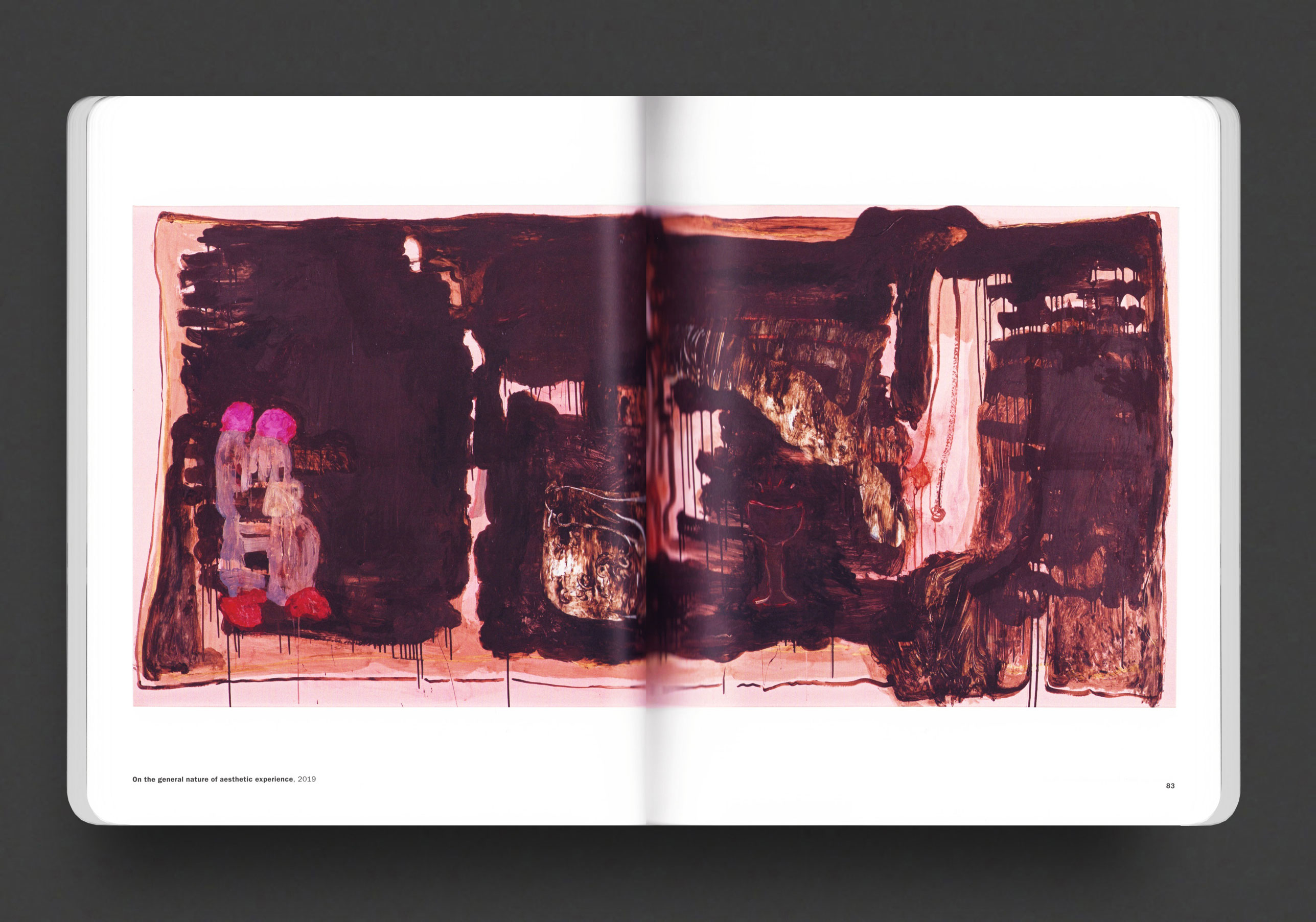
The first monograph on an German artist Michaela Eichwald (b. 1967) who consistently explores the "fundamental and inexhaustible problems of art" in her work, engaging with the interplay between material and form.
The publication charts more than three decades of Michaela Eichwald’s singular and shapeshifting practice that spans painting, sculpture, writing, and more elusive forms, creating idiosyncratic visions and (visual) worlds. Eichwald shifts expertly between the disciplines, drawing her unconventional work titles from sources that range from Medieval mysticism to bureaucratic solecisms. Alongside rich reproductions of her works, the publication delves deep into her creative universe – featuring rare archival material and selections from her long-running, legendary blog, uhutrust.com, active since 2006.
Contributions by Michaela Eichwald, Elena Filipovic & Renate Wagner, John Kelsey, Matthias Mühling, Monika Rinck & Stephanie Weber.
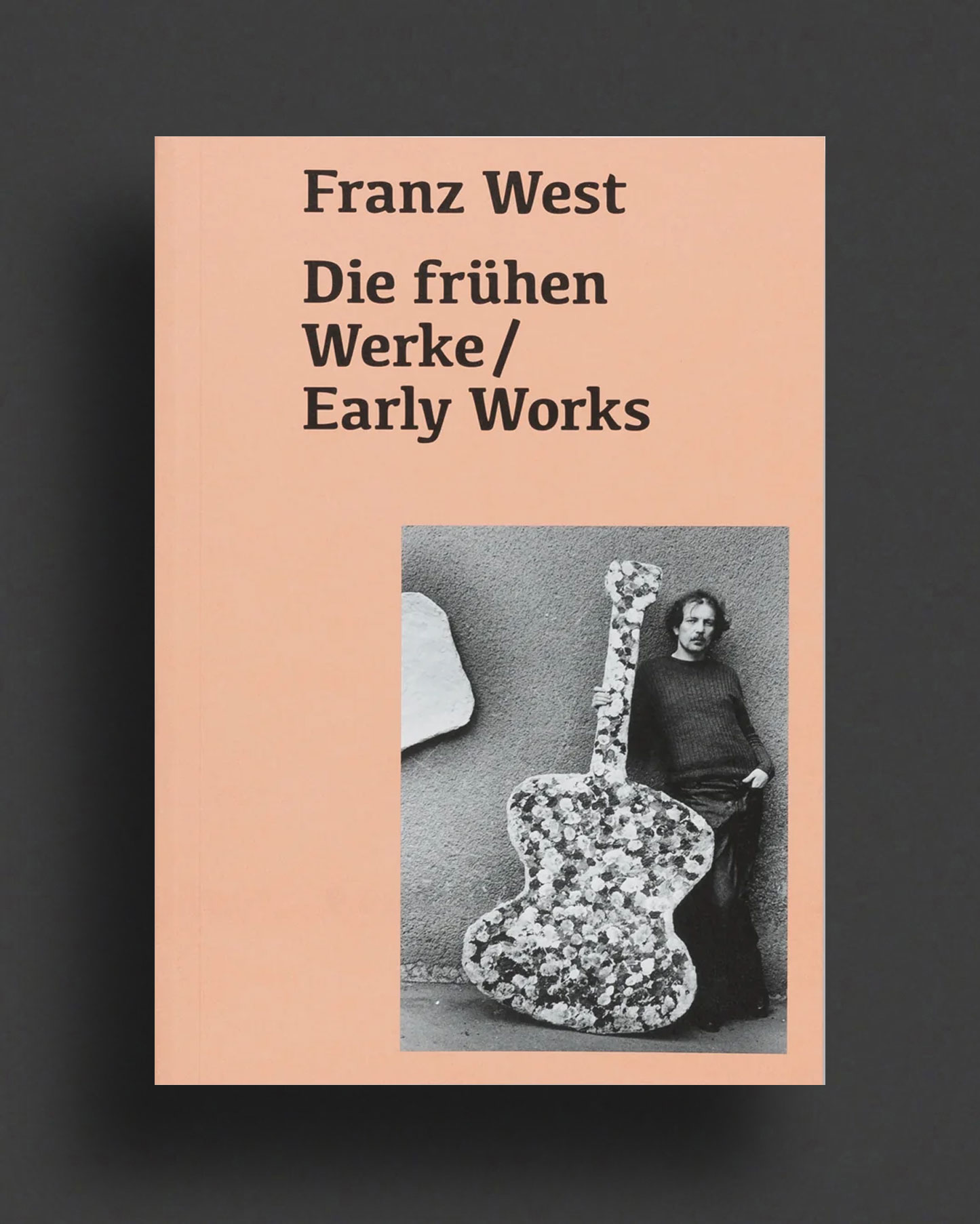
Franz West
Early Works
2025, English
Softcover, 224 pages, 29.7 x 21 cm
$70.00 - In stock -
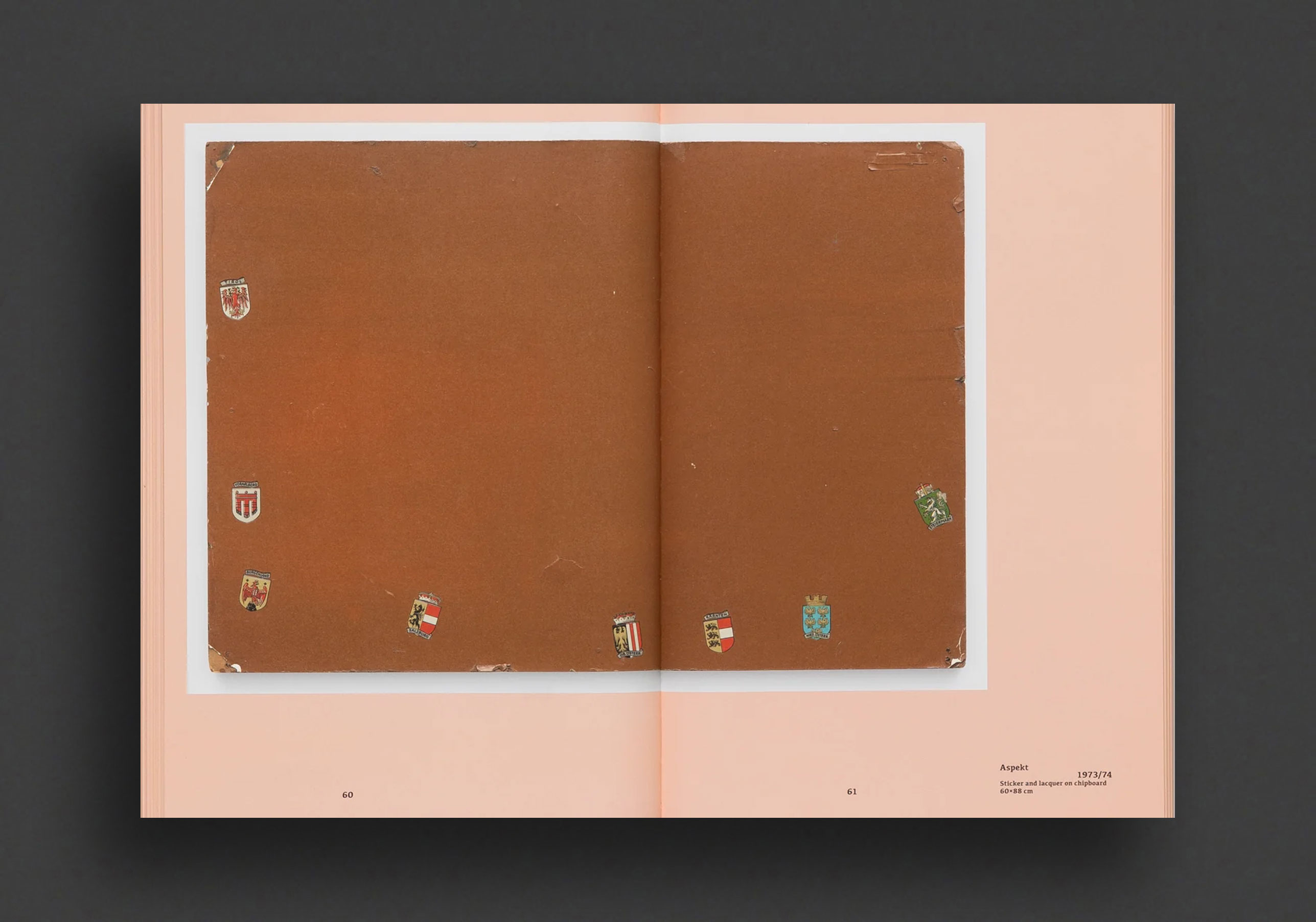
This profusely illustrated catalogue focuses on early sculptures and objects by Austrian artist Franz West (1947—2012), created between 1975 and 1990. Many of the works are drawn from important private collections, including those belonging to West’s longtime mentor, former gallerist and curator Peter Pakesch, and to Galerie Eva Presenhuber.
Josephine Pryde
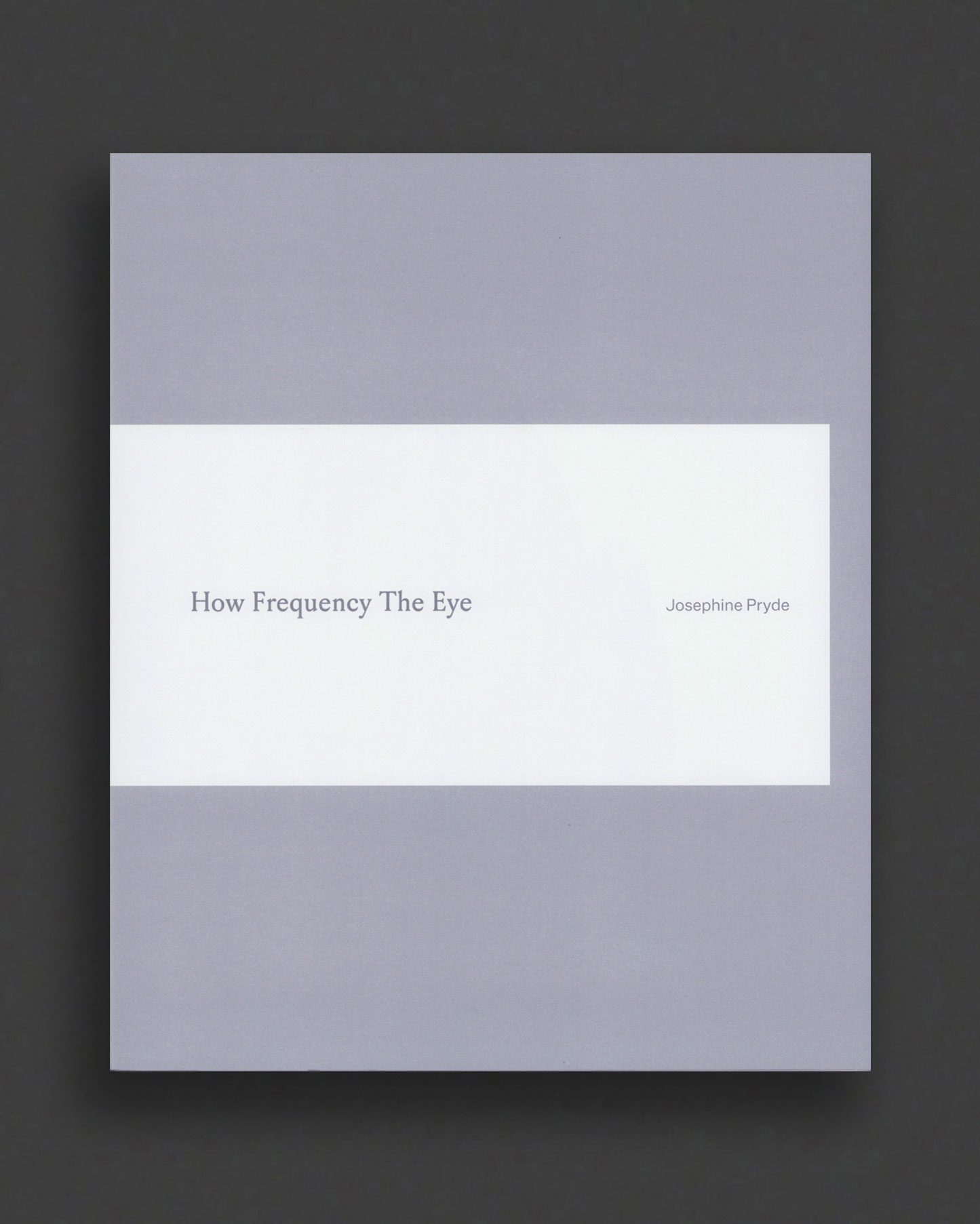
How Frequency The Eye
2025, English / German
Softcover, 92 pages, 28 x 23.2 cm
$55.00 - In stock -
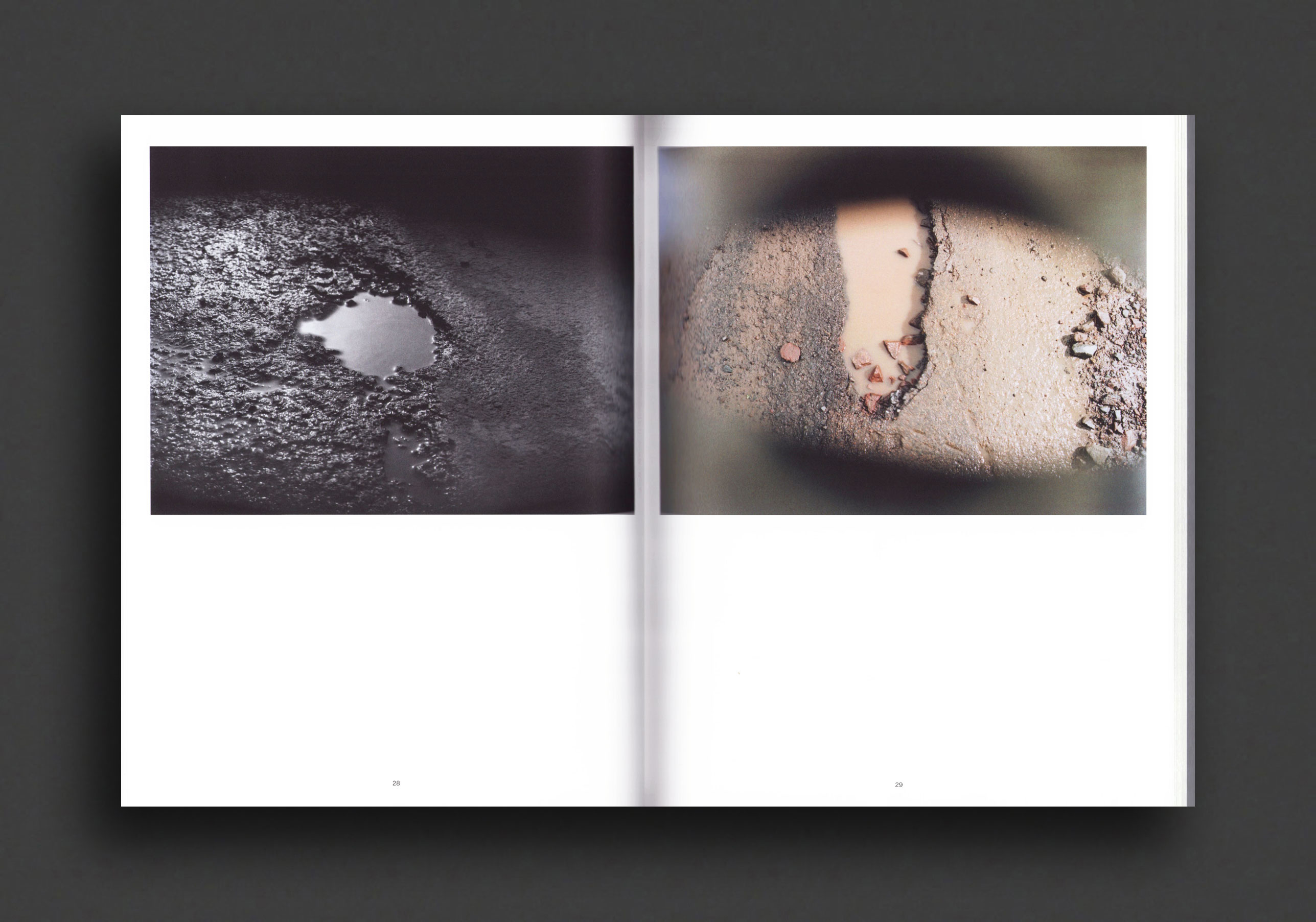
In her practice, Josephine Pryde explores modes of creation, consumption, and production of images, most often through photography. Employing a wide range of technical means, she takes up ideas conveyed through camera-generated images, in order to challenge and re-examine established modes of reception and expectation as to how the visible may be rendered.
How Frequency The Eye continues Pryde’s recent reflections on perception, cognition, and language, and her questions as to how an exhibition of artworks may articulate such concerns. In conjunction with prior works and a short film, the exhibition features a new series of photographs in which the artist interrogates interplays between the eye and consciousness.
This book is published in the aftermath of the eponymous exhibition of the artist at Haus am Waldsee, Berlin, in 2024.
With texts by the artist and by curator Beatrice Hilke.
Design by Clemens Jahn.
Sigmar Polke
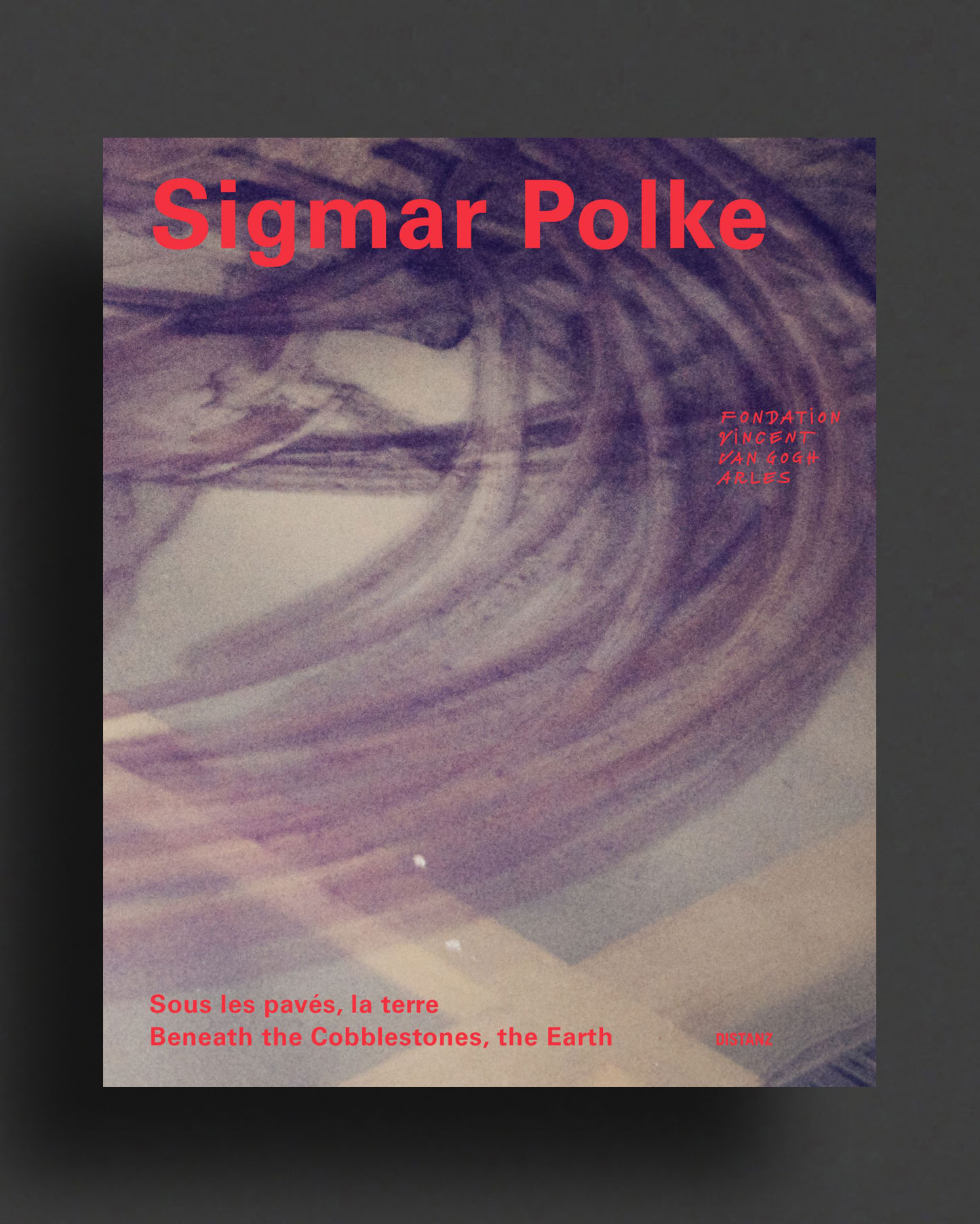
Beneath the Cobblestones, the Earth
2025, English / German
Softcover, 240 pages, 30 × 24.5 cm
$98.00 - In stock -
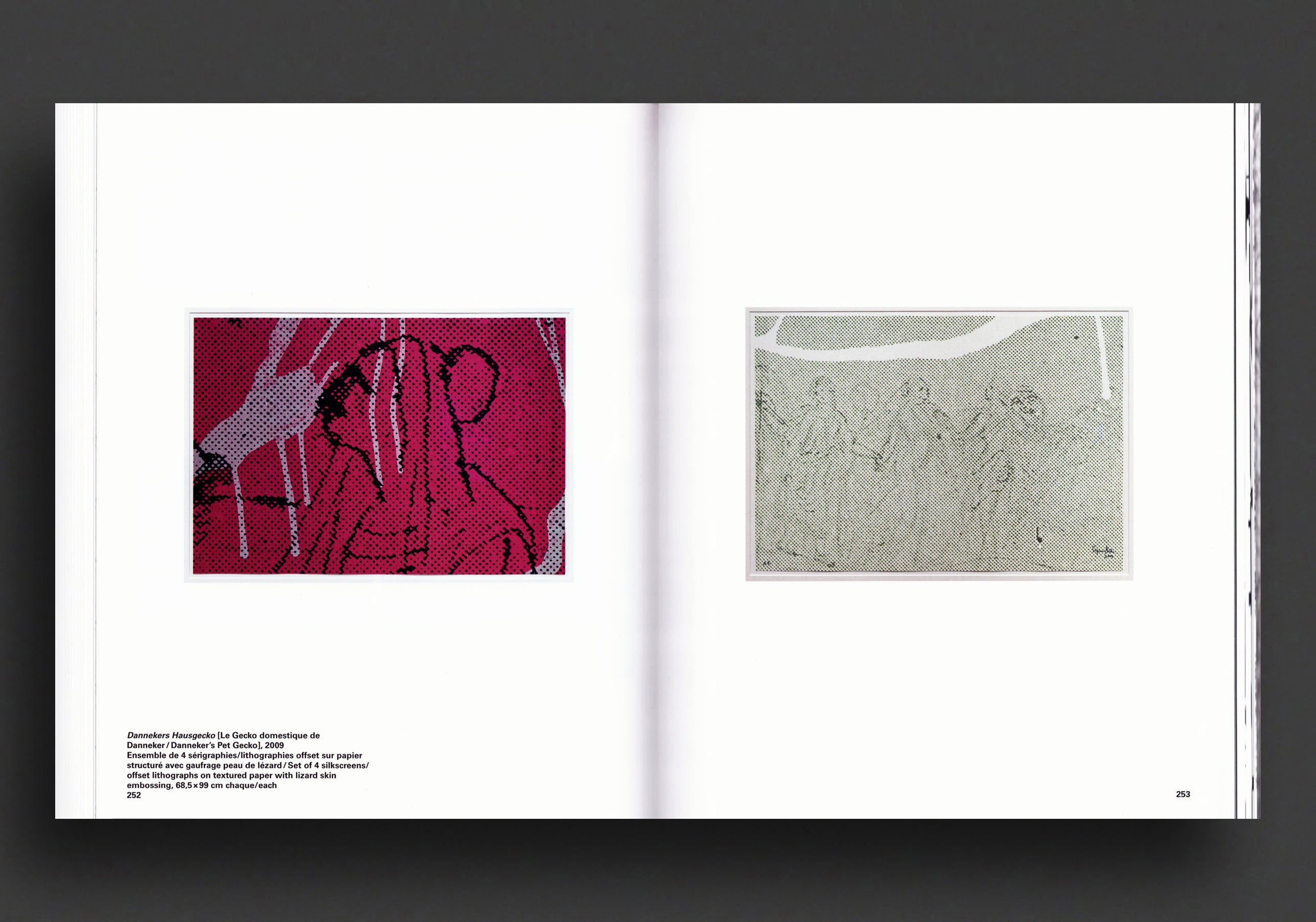
Sigmar Polke (1941–2010) has been hailed as one of the world’s preeminent artists of the twentieth century. In his oeuvre, Polke worked through experiences of war, militarization and forced migration, and reflected on the image and the mass media in which it circulated. Taking an interest early on in the visual information contained in pictures and their agency, Polke set standards that younger generations of artists continue to emulate, and his work remains as relevant as ever—what might seem its historic dimension in fact turns out to speak directly to present-day concerns.
Beneath the Cobblestones, the Earth is the catalogue for the exhibition devoted to Sigmar Polke at the Fondation Vincent van Gogh Arles. Bice Curiger, curator of the exhibition and a specialist in Polke’s work, is editing the book. It gathers paintings, photographs, and films plus graphic art from 1960 to 2009 to illustrate the multifaceted quality of the artist’s output, which is informed by astute observations and powerful creative choices that reflect the artist’s sense of irony and love of experimentation. One focus of the selection of works is on the political dimension of Polke’s oeuvre; he was an exacting analyst of the world around him and commented critically on politics, art, and history.
The extensive essay section includes the main contribution by Bice Curiger, and texts by Ulf Erdmann Ziegler, Nina Pohl, Kathy Halbreich, Friedrich W. Heubach, Maria Stavrinaki, Petra Lange-Berndt and Dietmar Rübel. Poems by Thomas Kling and statements by artists Anne Imhof, Alvaro Barrington, Michael Krebber, Helen Marten, Trajal Harrell, and Laura Owens provide further insight into Polke’s work.
Forrest Bess
2025, English
Hardcover (clothbound), 376 pages, 28 x 20 cm
$89.00 - Out of stock
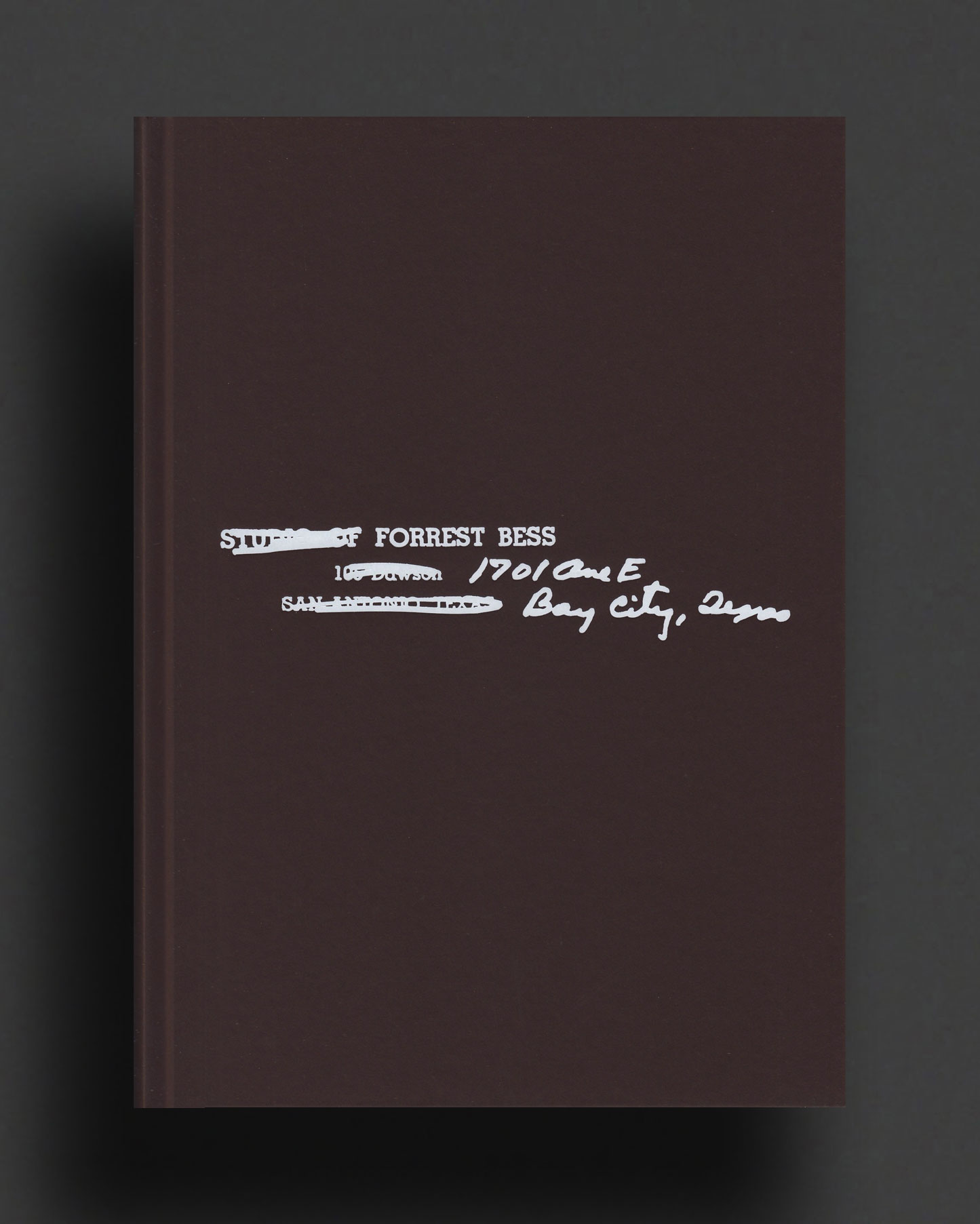
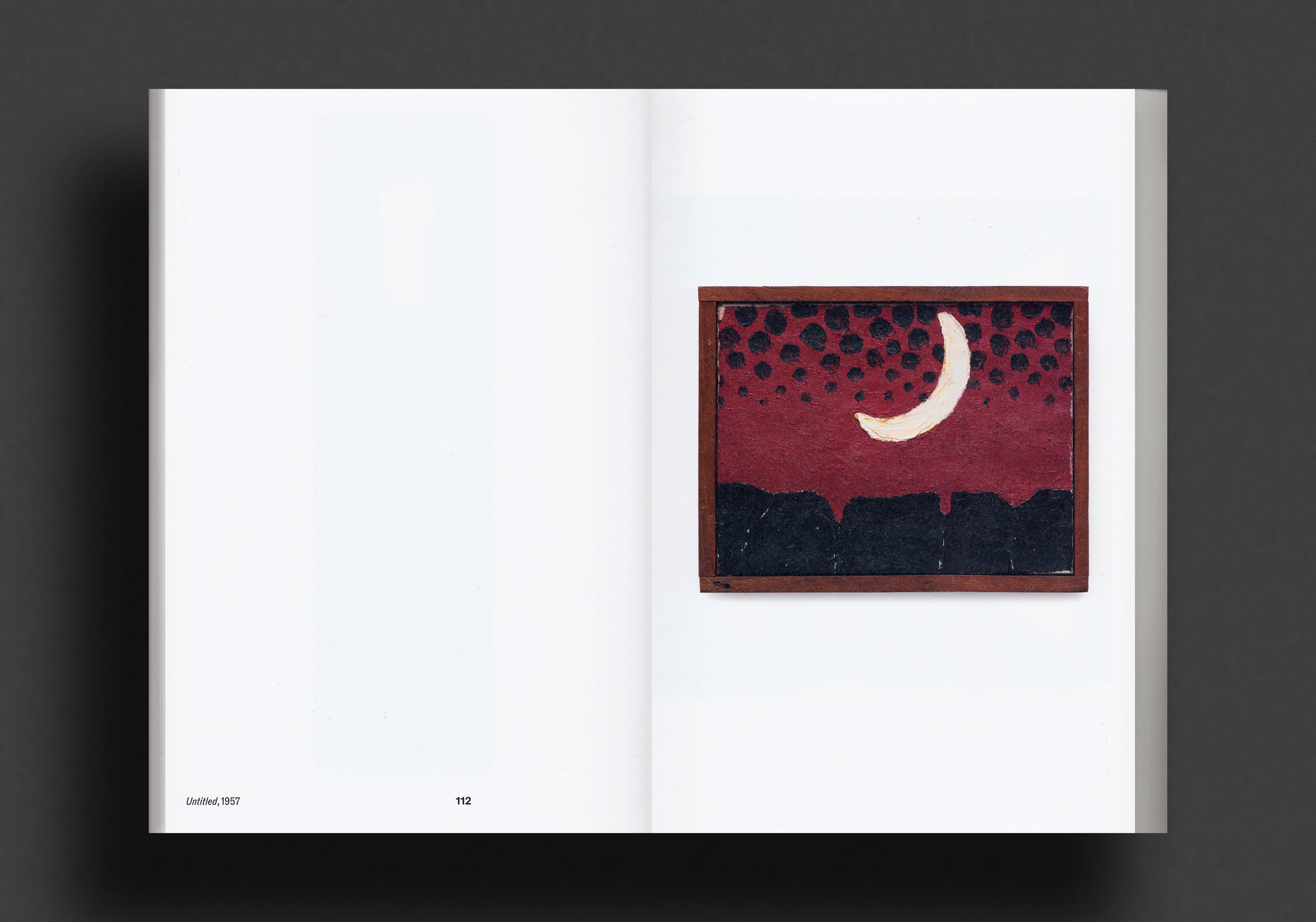
This is the most comprehensive book ever published on one of the most extraordinary figures in post-war American art: Forrest Bess, who described himself as a painter and fisherman and whose biomorphic abstractions cannot be assigned to any movement. Starting in the 1940s, he lived in isolation in Texas and created small paintings that reflect his visionary experiences between wakefulness and sleep. Bess combined his art with an intense exploration of mythology, psychology, and sexology. Believing that immortality could be achieved through the union of the masculine and feminine, he underwent medical procedures. His unconventional works received posthumous recognition in international exhibitions and influenced many contemporary artists such as Amy Sillman, Richard Hawkins or James Benning.
Lavishly illustrated throughout, the work of Forrest Bess is accompanied by texts (in English and German) by Tomma Abts, Dieter Schwarz, Amy Sillman and Moritz Wesseler.
Forrest Bess, born in 1911 in Bay City, Texas, where he also died in 1977, led an extremely secluded existence in the first half of the 1940s on the Gulf of Mexico, where alongside catching and selling fishing bait he dedicated himself to painting. During this time, Bess began to systematically encapsulate in painting “visions” that appeared to him on the threshold between wakefulness and sleep. For Bess, subconscious human experiences manifested themselves in these abstract and highly symbolic images. He pursed their exploration like a piece of obsessive research that he articulated in countless records and intensive correspondence without ever unravelling the mystery of his creativity.


Cady Noland
THE CLIP-ON METHOD (Two Volumes)
2021, English
Softcover (2 volumes), 596 pages, 28 x 21.6 cm
$190.00 - In stock -
THE (double volume) book on Cady Noland, published in 2021 by Cady Noland, Rhea Anastas, and Robert Snowden and first only available through Galerie Buchholz directly. Now available to those who had missed it, through fine booksellers! Not to be missed!!
The two volumes of ‘Cady Noland: THE CLIP-ON METHOD’ can be picked up and read in any order: back to front, front to back, start in the middle. Both books commence their page numbering (their pagination) with the cover. ‘THE CLIP-ON METHOD’ is a book made from photographs of Noland’s artworks, often shown within their first installations. Noland’s primary materials are on display throughout the book (fencing, pipes, poles and rails; aluminium walkers, crates, and metal baskets; newspaper clippings, flags and beer cans) and are seen aggregated, arranged and assembled, equally menacing and left akimbo. Additionally, the publication contains writing by Noland, sociological essays selected by the artist, and a considerable amount of exhibition photography from the 1980s to the present.
Launched with the exhibition ‘THE CLIP-ON METHOD: Cady Noland’, 17 Jun – 18 Sep 2021, Galerie Buchholz, New York.
Of Walking in Ice: Munich - Paris 23 November - 14 December 1974
by Werner Herzog
2007, English
Softcover, 112 pages, 20.4 x 12.8 cm
1st Edition, Out of print title / used / fine
$90.00 - In stock -
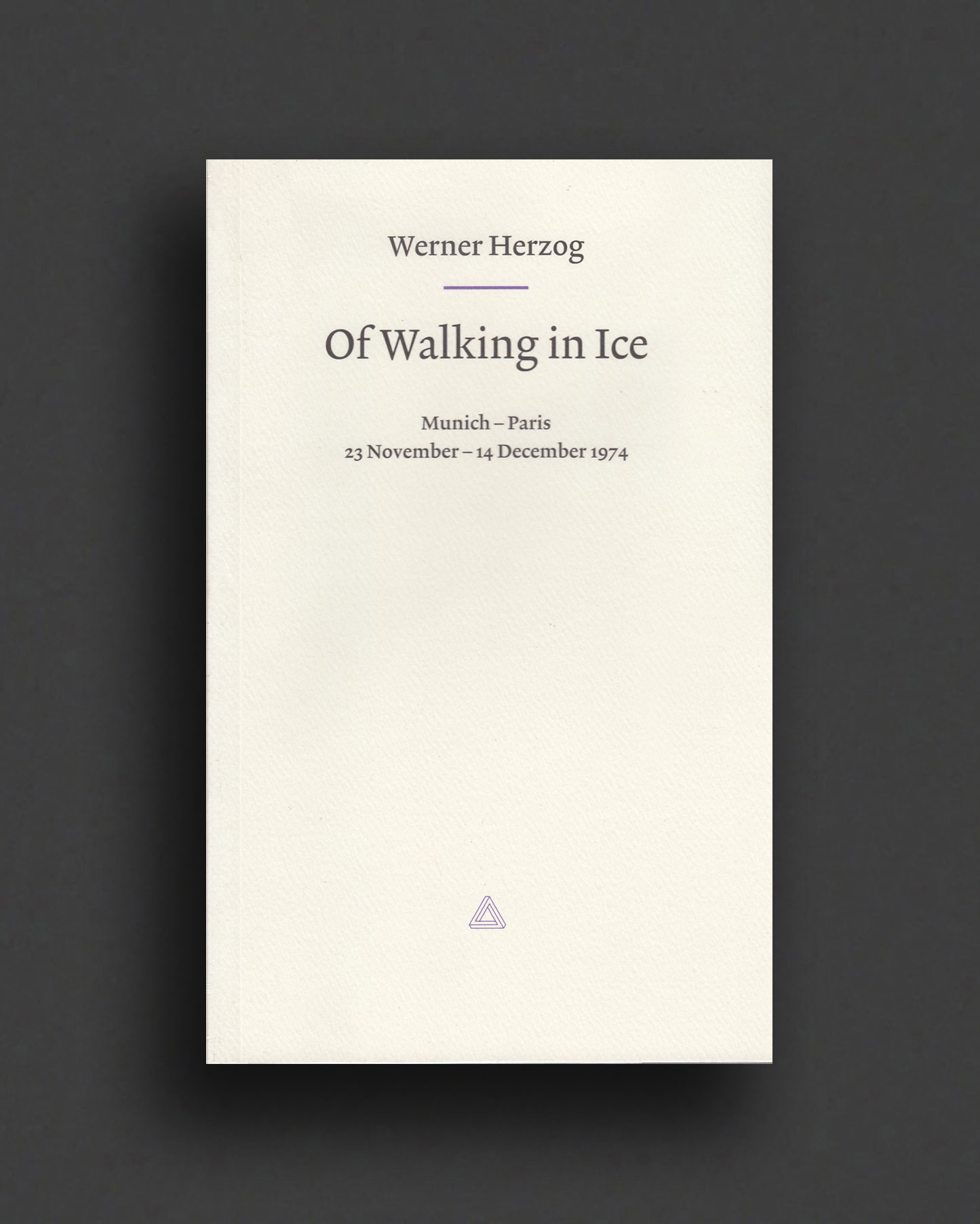
In the winter of 1974, filmmaker Werner Herzog made a three week solo journey from Munich to Paris on foot. He believed it was the only way his close friend, film historian Lotte Eisner, would survive a horrible sickness that had overtaken her. During this monumental odyssey through a seemingly endless blizzard, Herzog documented everything he saw and felt with intense sincerity. This diary is dotted with a pastiche of rants about the extreme cold and utter loneliness, notes on Herzog's films and travels, poetic descriptions of the snowy countryside, and personal philosophizing. What is most remarkable is that the reading of the book is in continuity with the experience of watching his films; it's as if, through this walk, we witness the process in which images are born. Although he received a literary award for it, this introspective masterpiece has lingered out of print since 1979.
Beautifully designed and emotionally impressive, Of Walking in Ice is the first in a color-coded series of remarkable yet long-forgotten titles being republished by Free Association, Los Angeles.
This beautiful limited run (2500 copies) edition now also long out-of-print. Fine copy.
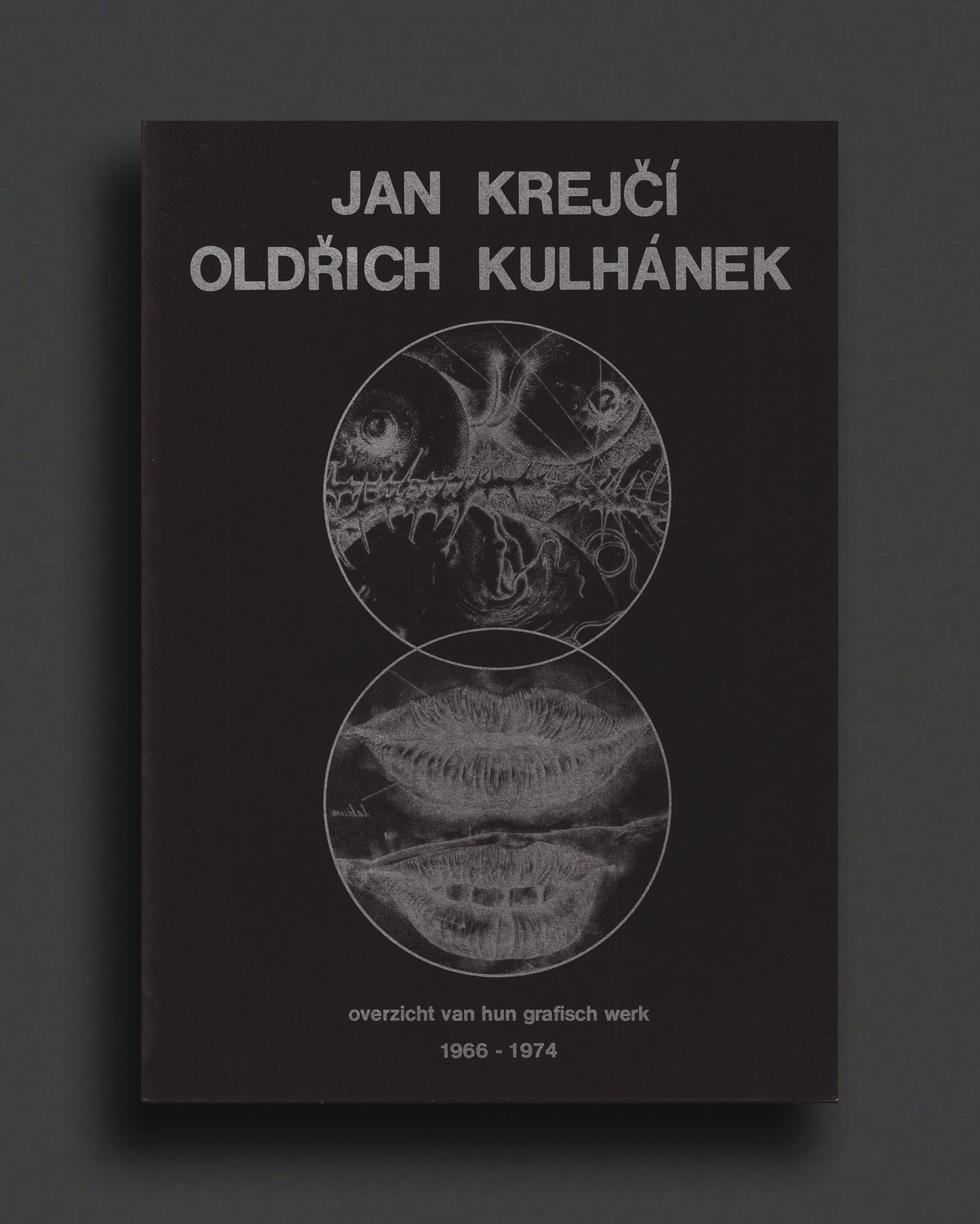
Jan Krejčí / Oldřich Kulhánek
Overzicht van hun grafisch werk 1966 - 1974
1974, Dutch
Softcover (screen-printed + 2 lithographs), 120 pages, 30 x 21 cm
Ed. of 750 copies,
1st Edition, Out of print title / used / very good
$140.00 - Out of stock
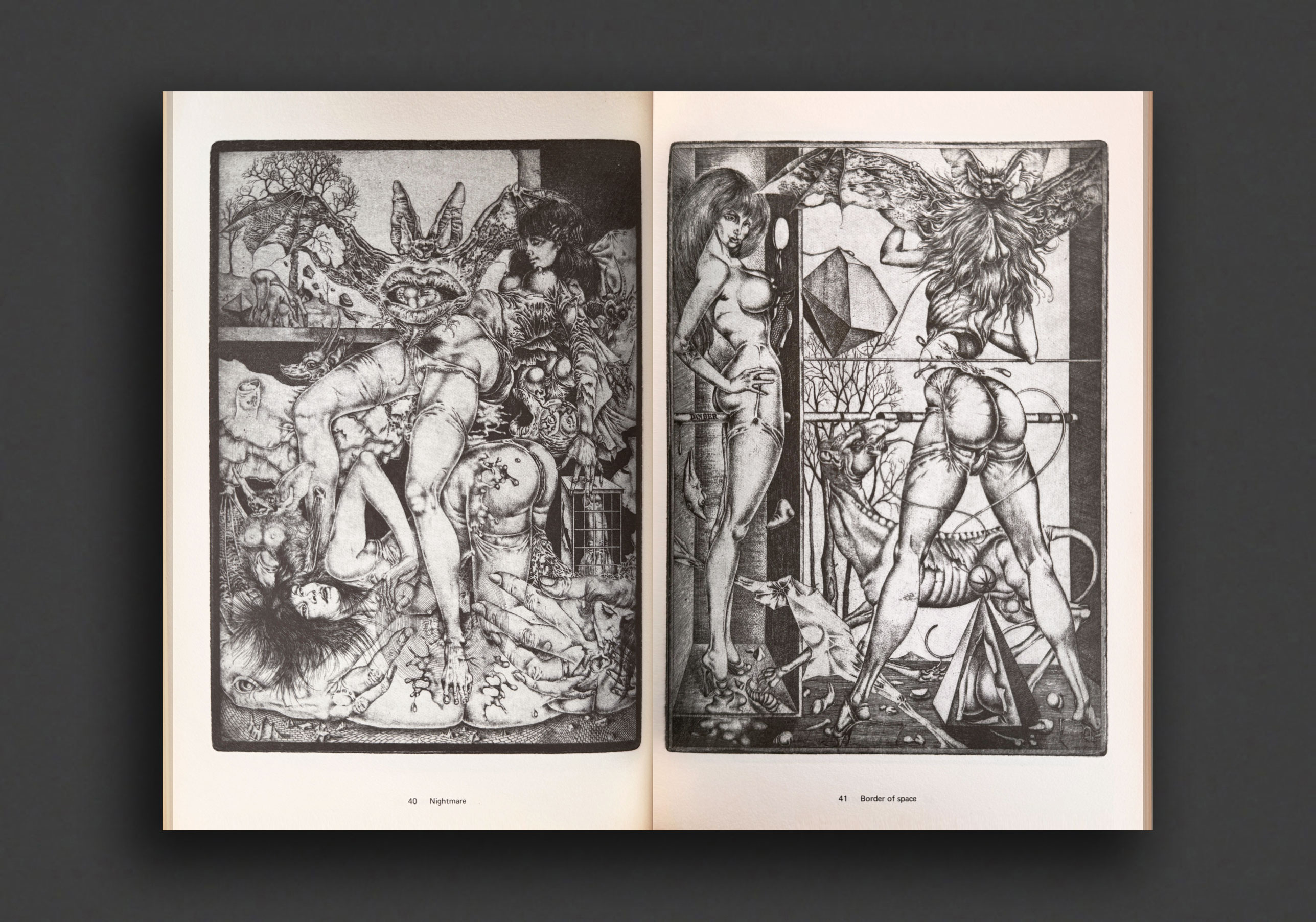
Rare copy of this incredible artbook compiling the works of two Czech graphic artists, Jan Krejčí (1942—2001) and Oldřich Kulhánek (1940—2013), complete with two beautiful lithographs still bound within (one from each artist), published during the retrospective exhibition of the two artists in Leiden's academic art centre in 1974 in a numbered edition of only 750 copies (this copy stamped no. "588"). With screen-printed metallic silver on raw black board cover, this perfectly executed book reproduces the highly-detailed phantasmagorical early graphic works of both illustrators created between 1966 - 1974 on warm paper stock, bookmarked by two fine original lithographs created specifically for this volume. Edited by Leo van Maris and Frans Montens, these commanding lithographic works reflect the influence of the psychedelic 1960's from which they came, rich with symbolism, explicit eroticism, and political anguish, with reference to popular culture and fellow artists, all rendered meticulously via a distinctively Czech surrealist sensitivity. This is one of the only, and certainly best, published examples of the work of Jan Krejčí, and one o the finest collections of the seldom seen earlier, darker an more erotic works of the acclaimed Oldřich Kulhánek. Though little known outside the Czech Republic, Kulhánek is well-known painter, graphic designer, illustrator, stage designer and pedagogue who created the design for the current Czech banknotes and postage stamps.
Highly recommended.
Very Good—Near Fine copy with only light wear.
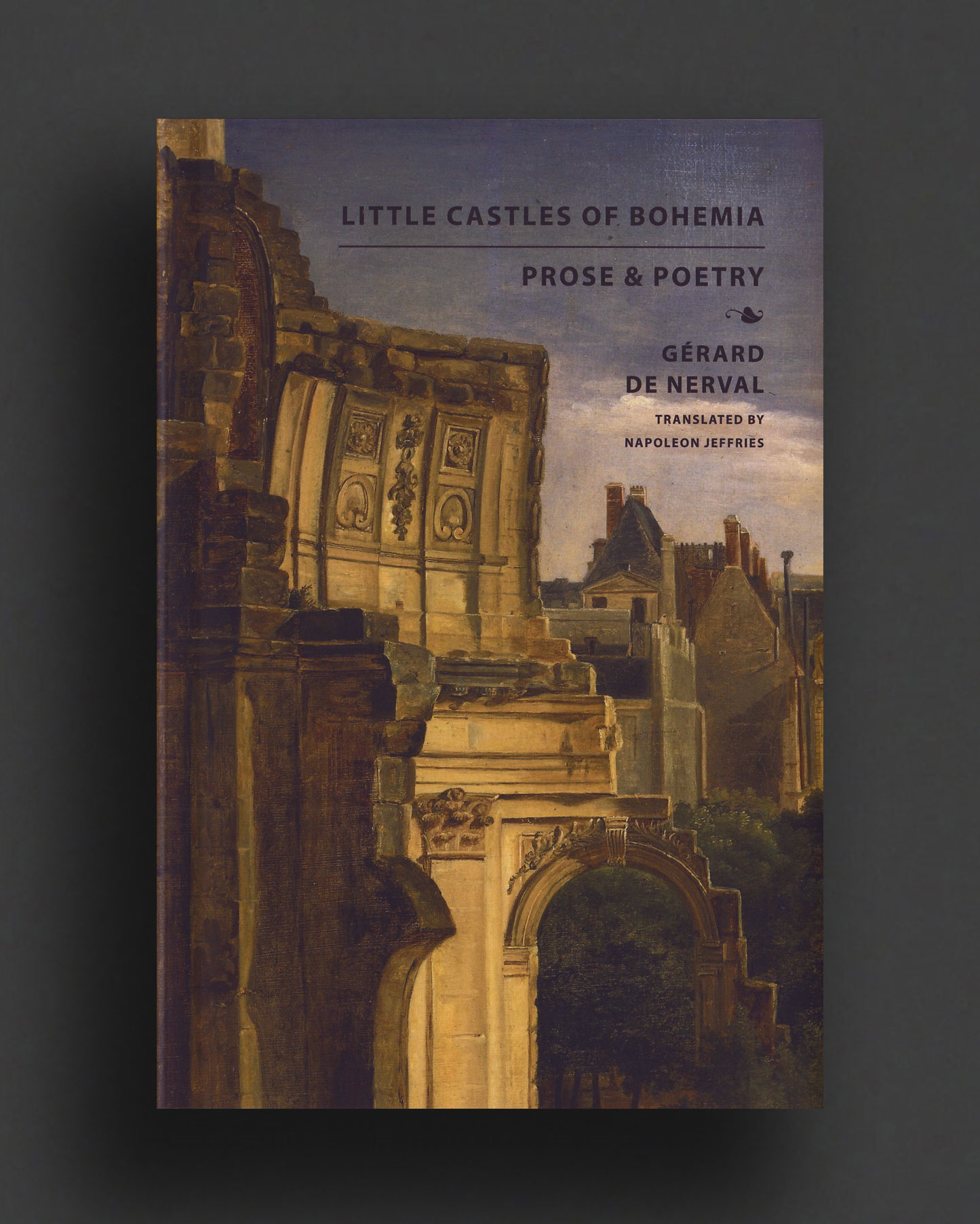
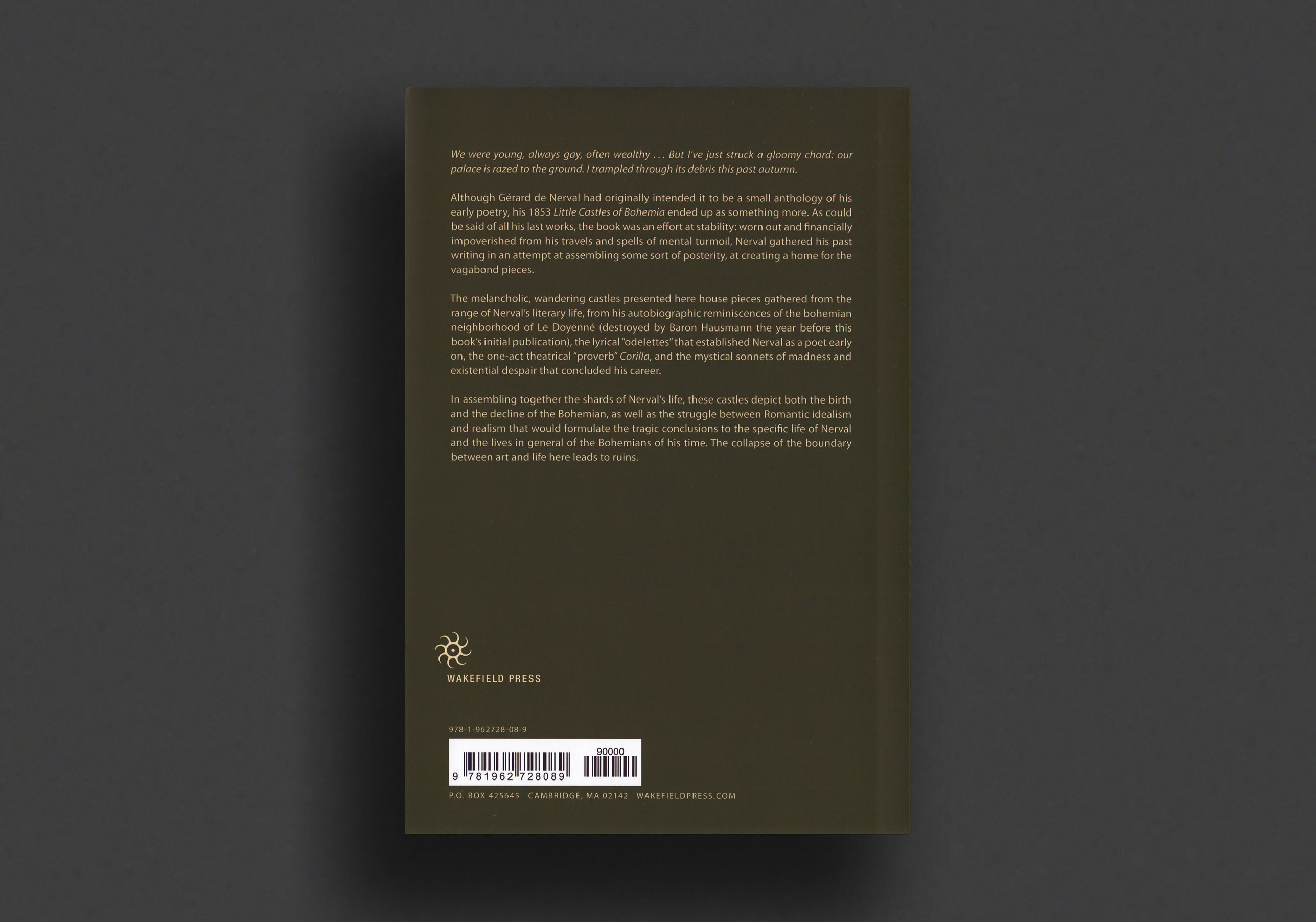
Little Castles of Bohemia: Prose and Poetry
by Gérard de Nerval
2025, English
Softcover, 122 pages, 20.5 x 13.5 cm
$40.00 - In stock -
Translated, with an introduction by Napoleon Jeffries
Illustrations by Alfred Prunaire
We were young, always gay, often wealthy . . . But I’ve just struck a gloomy chord: our palace is razed to the ground. I trampled through its debris this past autumn.
Although Gérard de Nerval had originally intended it to be a small anthology of his early poetry, his 1853 Little Castles of Bohemia ended up as something more. As could be said of all his last works, the book was an effort at stability: worn out and financially impoverished from his travels and spells of mental turmoil, Nerval gathered his past writing in an attempt at assembling some sort of posterity, at creating a home for the vagabond pieces.
The melancholic, wandering castles presented here house pieces gathered from the range of Nerval’s literary life, from his autobiographic reminiscences of the bohemian neighborhood of Le Doyenné (destroyed by Baron Hausmann the year before this book’s initial publication), the lyrical “odelettes” that established Nerval as a poet early on, the one-act theatrical “proverb” Corilla, and the mystical sonnets of madness and existential despair that concluded his career.
In assembling together the shards of Nerval’s life, these castles depict both the birth and the decline of the Bohemian, as well as the struggle between Romantic idealism and realism that would formulate the tragic conclusions to the specific life of Nerval and the lives in general of the Bohemians of his time. The collapse of the boundary between art and life here leads to ruins.
Gérard de Nerval (1808–1855) was a writer, poet, and translator who wedded French and German romanticism and transformed his research into mystic thought and his bouts of mental illness into such visionary works as the posthumously published Aurélia, or Dream and Life. After his suicide, his work would grow in stature and go on to influence Marcel Proust, André Breton, Antonin Artaud, Michel Leiris, and countless others.
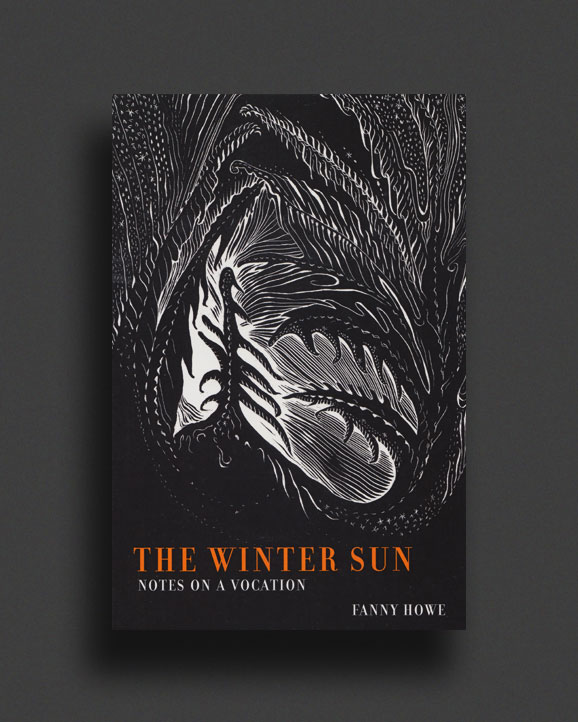

The Winter Sun : Notes on a Vocation
by Fanny Howe
2009, English
Softcover, 196 pages, 13.9 x 20.9 cm
$34.00 - Out of stock
Fanny Howe’s richly contemplative Winter Sun is a memoir of unusual depth and insight by one of America’s most original contemporary poets. In it, Howe offers a rigorous exploration of her fascinating journey of intellectual, spiritual, and artistic development. Through a collage of reflections on people, places and times that have been part of her life, she shows the origins and requirements of a vocation that has no name.
Fanny Howe is the author of more than twenty books of poetry and prose. She has taught literature and writing for many years. She is currently Professor Emerita in Literature at the University of California at San Diego. She has mentored a generation of American poets, activists and scholars working at the intersection of experimental and metaphysical forms of thinking.
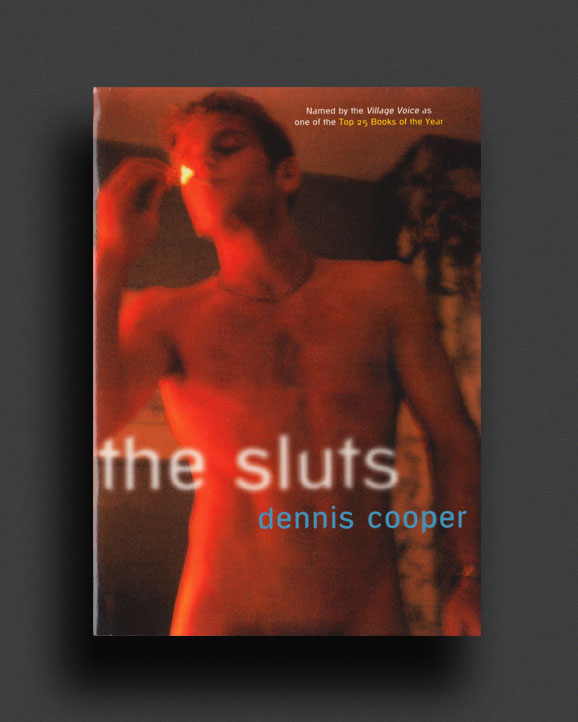

The Sluts
by Dennis Cooper
2005, English
Softcover, 304 pages, 15 x 21.1 cm
$40.00 - Out of stock
Set largely on the pages of a website where gay male escorts are reviewed by their clients, and told through the postings, emails, and conversations of several dozen unreliable narrators, The Sluts chronicles the evolution of one young escort's date with a satisfied client into a metafiction of pornography, lies, half-truths, and myth. Explicit, shocking, comical, and displaying the author's signature flair for blending structural complexity with direct, stylish, accessible language, The Sluts is Cooper's most transgressive novel since Frisk, and one of his most innovative works of fiction to date.
Dennis Cooper (born 1953) is an American novelist, poet, critic, editor and performance artist who grew up in the Southern California. In 1976, he founded Little Caesar Magazine and Press, which he ran until 1982. In 1985, he moved to Amsterdam for two and a half years, where he began his ten year long project, The George Miles Cycle, an interconnected sequence of five novels that includes Closer, Frisk, Try, Guide, and Period. His post-George Miles Cycle novels include My Loose Thread, The Sluts and God, Jr. Other works include the short-story collections Wrong and Ugly Man, poetry collections The Dream Police and The Weaklings, as well as the recent Smothered in Hugs: Essays, Interviews, Feedback, and Obituaries.
Dennis Cooper currently spends his time between Los Angeles and Paris.
"Dennis Cooper, God help him, is a born writer"—William Burroughs
"Cooper’s language is at first intense, nearly minimal, then suddenly, it ascends into vision"—Kathy Acker
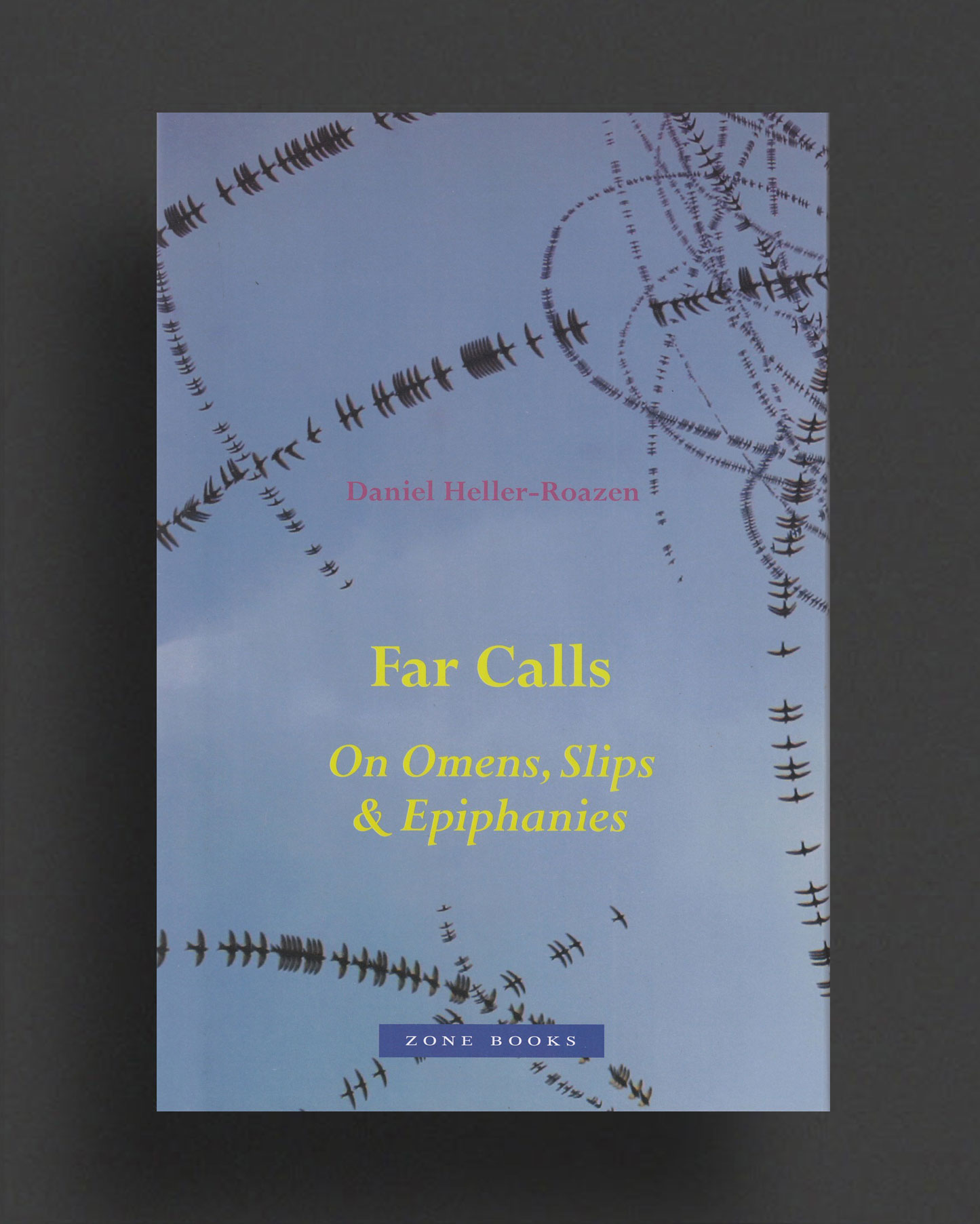
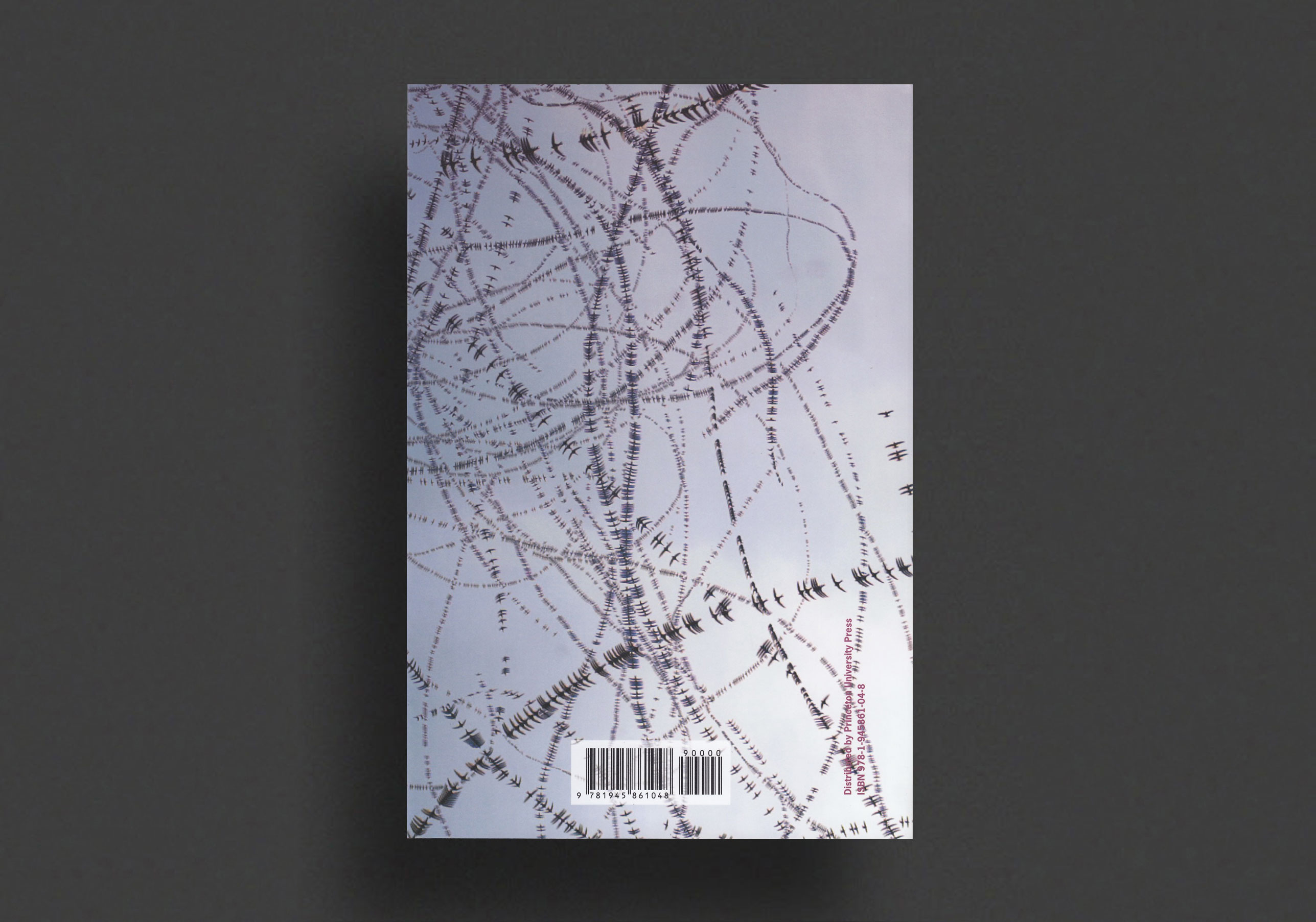
Far Calls: On Omens, Slips & Epiphanies
by Daniel Heller-Roazen
2025, English
Hardcover (w. dust jacket), 408 pages, 23.5 x 15.9 cm
$65.00 - Out of stock
When words are not heard but overheard, when phrases are perceived in bits and pieces, and when speakers, failing to do as they intend, state things that they never meant to say, the saying, in its unsteady relation to understanding, becomes an event. That event has long been studied by a disparate company of interpreters: prophets, priests, and rabbis, poets and philosophers, linguists, psychiatrists and psychoanalysts, novelists and filmmakers. All have suggested that in the contingencies of discourse, there are precious indications to be gleaned, for which special techniques are required. In Far Calls, Daniel Heller-Roazen reconstructs such arts of detection, interweaving ancient, medieval, and modern examples. From the rituals of the ancient Greeks, Jews, and Romans to Freud and Lacan, from Augustine’s catching of a salvific scrap of speech to the inspiration that Breton and Yeats, Proust and Joyce, drew from profane cries and transmissions, Far Calls explores the powers of sonorous coincidence and the varieties of reading that it incites.
“A captivating journey through centuries of Western culture and beyond, with the help of extraordinary erudition.”—Maurizio Bettini
“Far Calls culls a remarkable trove of glints and inklings, omens and names, echoes, auguries, and fleeting indications of a powerfully resonant counter-sublime. Daniel Heller-Roazen is a masterful interpreter of literary interstices, openings in language that take us into an endangered place of wisdom’s alternative beginnings. This is a steeply beautiful book, stunning for its insight, erudition, and range, and—above all—for its powers of vision and audition.”— Peter Cole, author of Draw Me After: Poems
“The brilliance of this book is that it brings to the surface one of those mysterious properties of utterance that we can’t quite locate. It’s the enigmatic communication that emerges from chance, from darkness, from inadvertence, from a child’s babble, from the gods, where more is meant than was said or known. We travel through Mesopotamia, catch our breath as Scipio and Napoleon portentously stumble, and linger with Joyce’s epiphanies and Heidegger’s ‘call of conscience’, all the while observing our human inability to control the way the heavens speak to us and indulging our unstoppable desire to keep overhearing their fragmentary messages in the hope that we will.”— Ardis Butterfield, Marie Borroff Professor of English and Professor of French and Music, Yale University
“Far Calls weaves a fascinating thread of thought from antiquity up to modernity. What a wonderful surprise to discover that Augustine, Alfonso el Sabio, Leibniz, Poe, Breton, Freud, Proust, even Heidegger attributed the power to communicate important ‘truths’ to what ancient divinatory wisdom called kledōn or omen: that is, the hidden meaning of words uttered with a completely different communicative intention. A captivating journey through centuries of Western culture and beyond, with the help of extraordinary erudition put in the service of a lucid and compact construction.”— Maurizio Bettini, Professor Emeritus of Classical Philology, Director of the Center for Anthropology and the Classics, University of Siena
Daniel Heller-Roazen is the Arthur W. Marks 1919 Professor of Comparative Literature at Princeton University. His is the author, most recently, of Absentees: On Variously Missing Persons; No One's Ways: An Essay on Infinite Naming, Dark Tongues: The Art of Rogues and Riddlers, and The Fifth Hammer: Pythagoras and the Disharmony of the World.


The Sacred Conspiracy : The Internal Papers of the Secret Society of Acephale and Lecturers to the College of Sociology
by Georges Bataille
2018, English
Hardcover, 480 pages, 17.4 x 23.2 cm
$74.00 - Out of stock
Georges Bataille's secret society, long the stuff of legend, is now revealed in its texts, meditations, rules and prohibitions.
This book recounts what must be one of the most unusual intellectual journeys of modern times, in which the influential philosopher, cultural theorist and occasional pornographer Georges Bataille (1897-1962), having spent the early 1930s in far-left groups opposing the rise of fascism, abandoned that approach in order to transfer the struggle onto "the mythological plane."
In 1937, Bataille founded two groups in order to explore the combinations of power and the "sacred" at work in society. The first group, the College of Sociology, gave lectures that were intended to reveal the hidden undercurrents within a society on the verge of catastrophe. The second group was Acéphale, a genuine secret society and anti-religion whose emblem was a headless figure that, in part, represented the death of God. Until the discovery a few years ago of the group's internal papers (which include theoretical texts, meditations, minutes of meetings, rules and prohibitions and even a membership list), almost nothing was known of its activities.
This book is the first to collect a representative selection of the writings of Bataille, and of those close to him, in the years leading up to World War II. The texts published here comprise lectures given to the College of Sociology by Bataille, Roger Caillois and Michel Leiris, essays from the Acéphale journal and a large cache of the internal papers from the secret society. A desperate narrative unfolds, wherein Bataille risked all in a wholly unreasonable quest--with a few fellow travelers, he undertook what he later described as a "journey out of this world."
Additional texts by Roger Caillois, Pierre Klossowski, Michel Leiris, and by Georges Ambrosino, Pierre Andler, Michel Carrouges, Jacques Chavy, Jean Dautry, Henri Dobier, Henri Dussat, Imre Kelemen, Jean Rollin, Patrick Waldberg.
And with drawings by André Masson
Highest recommendation!


A Short History of Decay
by E. M. Cioran
2012, English
Softcover, 200 pages, 21 x 14 cm
$38.00 - In stock -
E. M. Cioran confronts the place of today's world in the context of human history—focusing on such major issues of the twentieth century as human progress, fanaticism, and science—in this nihilistic and witty collection of aphoristic essays concerning the nature of civilization in mid-twentieth-century Europe. Touching upon Man's need to worship, the feebleness of God, the downfall of the Ancient Greeks and the melancholy baseness of all existence, Cioran's pieces are pessimistic in the extreme, but also display a beautiful certainty that renders them delicate, vivid, and memorable. Illuminating and brutally honest, A Short History of Decay dissects Man's decadence in a remarkable series of moving and beautiful pieces.
"When A Short History of Decay was published, it tended to polarize readers. Many dismissed it as overly morose and pessimistic, completely out of tune with the obligatory optimism of postwar European culture. Others praised it for precisely these reasons (in his review of the book, Maurice Nadeau proclaimed Cioran 'the one whose arrival has been prepared by all the philosophers of the void and of the absurd, harbinger of bad news par excellence'). The original impact of Cioran's book can still be felt in reading A Short History of Decay today."—Eugene Thacker, from his Foreword
Translated by Richard Howard, Foreword by Eugene Thacker
Emil Mihai Cioran (1911—1995) was a Romanian-born French philosopher and essayist, and author of some two dozen books of savage, unsettling beauty. His works frequently engaged with issues of suffering, decay, and nihilism. For some, he was one of the most subversive thinkers of his time — a 20th-century Nietzsche, only darker and with a better sense of humor. His work has been noted for its pervasive philosophical pessimism, and whimsical, unsystematic, fragmentary style; he is celebrated as one of the great masters of aphorism. He called himself “un homme de fragment.” From the age of 20, Cioran began to suffer from insomnia, a condition which he suffered from for the rest of his life, and permeated his writings. In 1937, Cioran moved to the Latin Quarter of Paris, which became his permanent residence, wherein he lived in seclusion with his partner, Simone Boué, avoiding the public, but still maintained contact with numerous friends, including Mircea Eliade, Eugène Ionesco, Paul Celan, Samuel Beckett, Henri Michaux and Fernando Savater.
William H. Gass called Cioran’s work “a philosophical romance on the modern themes of alienation, absurdity, boredom, futility, decay, the tyranny of history, the vulgarities of change, awareness as agony, reason as disease”.
“one of the most delicate minds of real power writing today” — Susan Sontag


The Trouble with Being Born
by E. M. Cioran
2013, English
Softcover, 224 pages, 21 x 14 cm
$35.00 - In stock -
"Not to be born is undoubtedly the best plan of all. Unfortunately it is within no one's reach."
"A love of Cioran creates an urge to press his writing into someone's hand, and is followed by an equal urge to pull it away as poison." — The New Yorker
In this volume, which reaffirms the uncompromising brilliance of his mind, Cioran strips the human condition down to its most basic components, birth and death, suggesting that disaster lies not in the prospect of death but in the fact of birth, that laughable accident. In the lucid, aphoristic style that characterizes his work, Cioran writes of time and death, God and religion, suicide and suffering, and the temptation to silence. Through sharp observation and patient contemplation, Cioran cuts to the heart of the human experience.
"In the company of Nietzsche and Kierkegaard." — Publishers Weekly
"No modern writer twists the knife with Cioran's dexterity .... His writing .... is informed with the bitterness of genuine compassion." — Boston Phoenix
Translated by Richard Howard, Foreword by Eugene Thacker
Emil Mihai Cioran (1911—1995) was a Romanian-born French philosopher and essayist, and author of some two dozen books of savage, unsettling beauty. His works frequently engaged with issues of suffering, decay, and nihilism. For some, he was one of the most subversive thinkers of his time — a 20th-century Nietzsche, only darker and with a better sense of humor. His work has been noted for its pervasive philosophical pessimism, and whimsical, unsystematic, fragmentary style; he is celebrated as one of the great masters of aphorism. He called himself “un homme de fragment.” From the age of 20, Cioran began to suffer from insomnia, a condition which he suffered from for the rest of his life, and permeated his writings. In 1937, Cioran moved to the Latin Quarter of Paris, which became his permanent residence, wherein he lived in seclusion with his partner, Simone Boué, avoiding the public, but still maintained contact with numerous friends, including Mircea Eliade, Eugène Ionesco, Paul Celan, Samuel Beckett, Henri Michaux and Fernando Savater.
William H. Gass called Cioran’s work “a philosophical romance on the modern themes of alienation, absurdity, boredom, futility, decay, the tyranny of history, the vulgarities of change, awareness as agony, reason as disease”.
“one of the most delicate minds of real power writing today” — Susan Sontag


All Gall Is Divided: The Aphorisms of a Legendary Iconoclast
by E. M. Cioran
2019, English
Softcover, 168 pages, 13.97 x 20.96 cm
$35.00 - In stock -
"An antidote to a world gone mad for bedside affirmation"—Washington Post.
E. M. Cioran has been called the last worthy disciple of Nietzsche and a sort of final philosopher of the Western world who combines the compassion of poetry and the audacity of cosmic clowning (Washington Post).
All Gall Is Divided is the second book Cioran published in French after moving from his native Romania and establishing himself in Paris. It revealed him as an aphorist in a long tradition descending from the ancient Greeks through La Rochefoucault but with a gift for lacerating, subversively off-kilter insights, a twentieth-century nose for the absurdities of the human condition, and what Baudelaire called spleen.
The aphorisms collected here address themes from the atrophy of utterance and the condition of the West to the abyss, solitude, time, religion, music, the vitality of love, history, and the void. The award-winning poet and translator Richard Howard has characterized them as manic humor, howls of pain, and a vestige of tears, but, as he notes too, in these expressions of the philosopher's existential estrangement, there glows a certain sweetness for all of what Cioran calls 'amertume.'


Alfred Kubin
Life, An Abyss
1985, German
Hardcover, 84 pages, 26 x 21 cm
1st Edition, Out of print title / used / very good
$85.00 - Out of stock
Wonderful hardcover catalogue on the great Austrian draftsman, illustrator and author Alfred Kubin (1877–1959), by the Oberösterreichisches Landesmuseum in Austria in 1985. Aptly titled and translated to "Life, An Abyss", the book is profusely illustrated throughout with the works of Kubin, accompanied by an introduction by Klaus Albrecht Schröder, biography with photographic portraits, and an exhibition catalogue.
The work of Bohemian printmaker, illustrator and occasional writer Alfred Kubin (1877–1959) appears more current today than ever before: for it was violence, wartime destruction, pandemics, natural disasters, the manipulation of the masses and other abysses of human existence that pervaded his highly narrational works. Kubin became an important figure of both the Symbolist and Expressionist movements. The oeuvre of this fantastical creator confronts us with pessimistic visions which – to quote Schopenhauer – delineate “the worst of all possible worlds”. Kubin’s nightmarish oeuvre extends Symbolism and the fantastical art of the 19th century and may be considered a precursor to French Surrealism, with its syntheses of actual and imaginary reality, its bleak realms that Kubin often seasoned with humor, irony and exaggeration. Well known for illustrating the German editions of books by Edgar Allan Poe and Fyodor Dostoevsky, amongst others, during rise of Nazism in Germany his work was considered degenerate; he retreated into solitude and lived in a castle in Zwickledt, Upper Austria. He was awarded the City of Vienna Prize for Visual Arts in 1950, and died at his home on August 20, 1959.
Very Good copy.
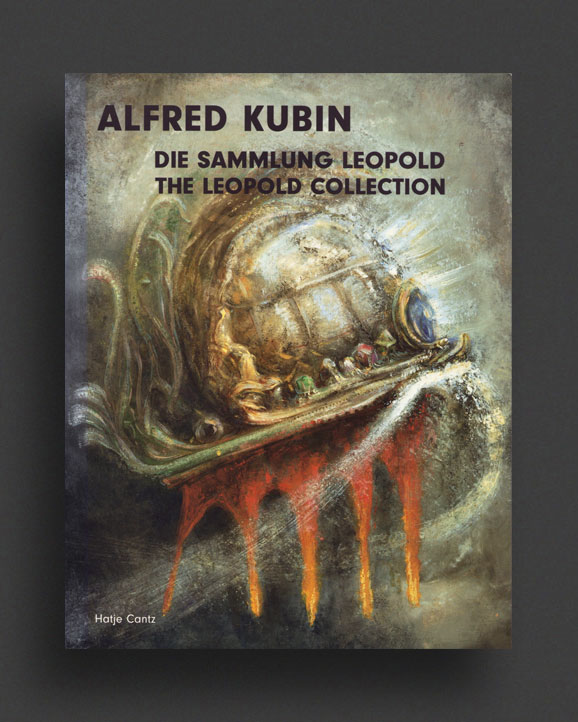
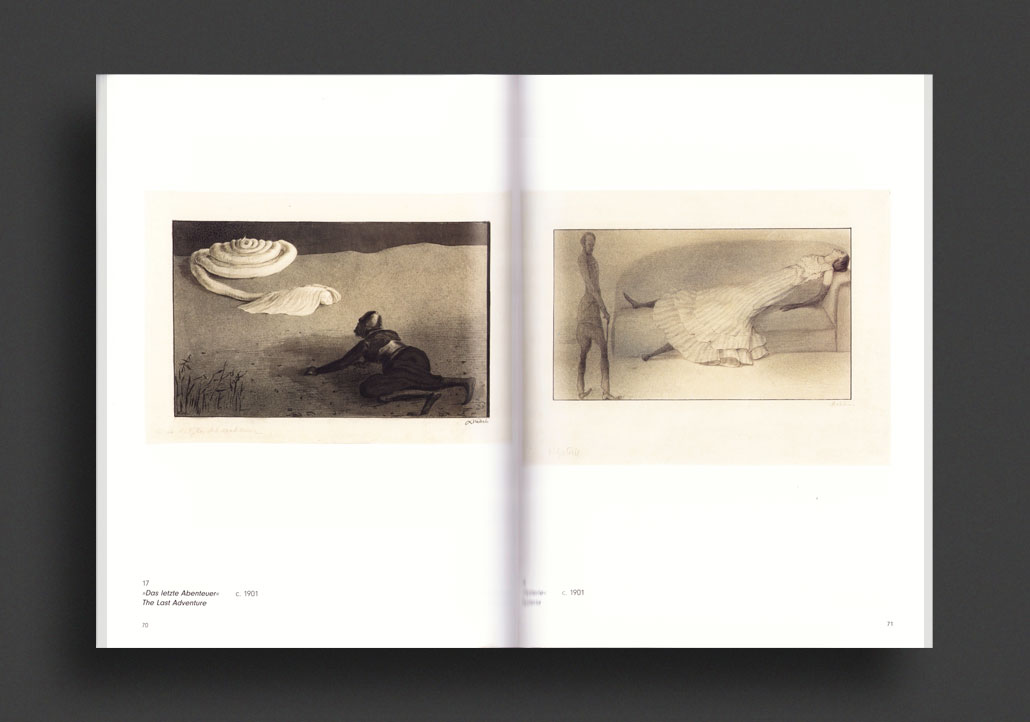
Alfred Kubin
The Leopold Collection
2002, English / German
Softcover, 144 pages, 29 x 22.5 cm
1st Edition, Out of print title / used / very good
$70.00 - In stock -
First edition of this major survey catalogue of the great Austrian draftsman, illustrator and author Alfred Kubin (1877–1959) from The Leopold Collection, Vienna, published by Hatje Cantz in 2002. Long out-of-print and one of the best catalogues on the master of the macabre.
Alfred Kubin, an accomplished draughtsman, was inspired by his fascination with the philosophies of Schopenhauer and Nietzsche; and influenced by the artists Goya, Klinger, Ensor, Redon, Rops and Munch. Kubin called his dreamlike imagery a vital "escape into the unreal": ghostly figures, hybrid creatures, variants of torture and self-torture, dream, vampirism, spiritualism, decadence, sex, death and birth. His extraordinary oeuvre comprises more than 20,000 drawings, a large part of it consist of pen drawings, portfolio pieces and illustrations from more than 70 books. This book features a representative selection of master sheets by the bizarre multi-talented artist.
Very Good copy with light wear.


Yoshifumi Hayashi
Le Principe de la Constitution
2014, Japanese / English
Hardcover (w. postcard), 96 pages, 15 x 21 cm
1st Edition, Out of print title / used / very good
$65.00 - In stock -
First hardcover edition of 'Le Principe de la Constitution' by Yoshifumi Hayashi, published in 2014 and now out-of-print. ‘Eroticism is to establish order, or in other words the principle of constitution, and not to destroy’ Yoshifumi Hayashi says. This latest collection of self-taught Hayashi's masterfully rendered obsessive visions of grotesque, disembodied eroticism continue his unique and highly original exploration of graphic art. Profusely illustrated throughout, this book follows-on from the comprehensive "La Jeune Marieè d'un Materialiste Enceinte de Cerveaux" monograph (mid 1970s-mid 1990s) illustrating Hayashi's pencil work throughout the 2000s. Includes a very rare essay by Hayashi, who first studied philosophy, discussing his theories about science and eros, tracing his childhood interest in astronomy through to his understanding of eroticism through dynamics.
Contemporary Japanese erotic artist Yoshifumi Hayashi (b. 1948, Fukuoka, Japan) dropped out of Chuo University Department of Philosophy in 1972, moving to Paris in 1974, where he began to produce pencil drawings through self study. At first his main influence was the metaphysical world of De Chirico, but soon his focus shifted to the lower half of the female anatomy. Exhibiting and publishing his drawings in France in the late 1970's, Hayashi gained a cult following for his dark explorations of fetishized female physiology and mutating genitalia, rendered masterfully in pencil. Often mentioned in relation to the likes of Hans Bellmer, H.R. Giger, and even David Cronenberg, Hayashi's drawings were featured in specialist fetish magazines, and director Walerian Borowczyk even made a film in 1980 of the artist at work, yet still little is known about Hayashi, who continues to work and exhibit internationally.
As New copy including Hayashi promotional postcard.
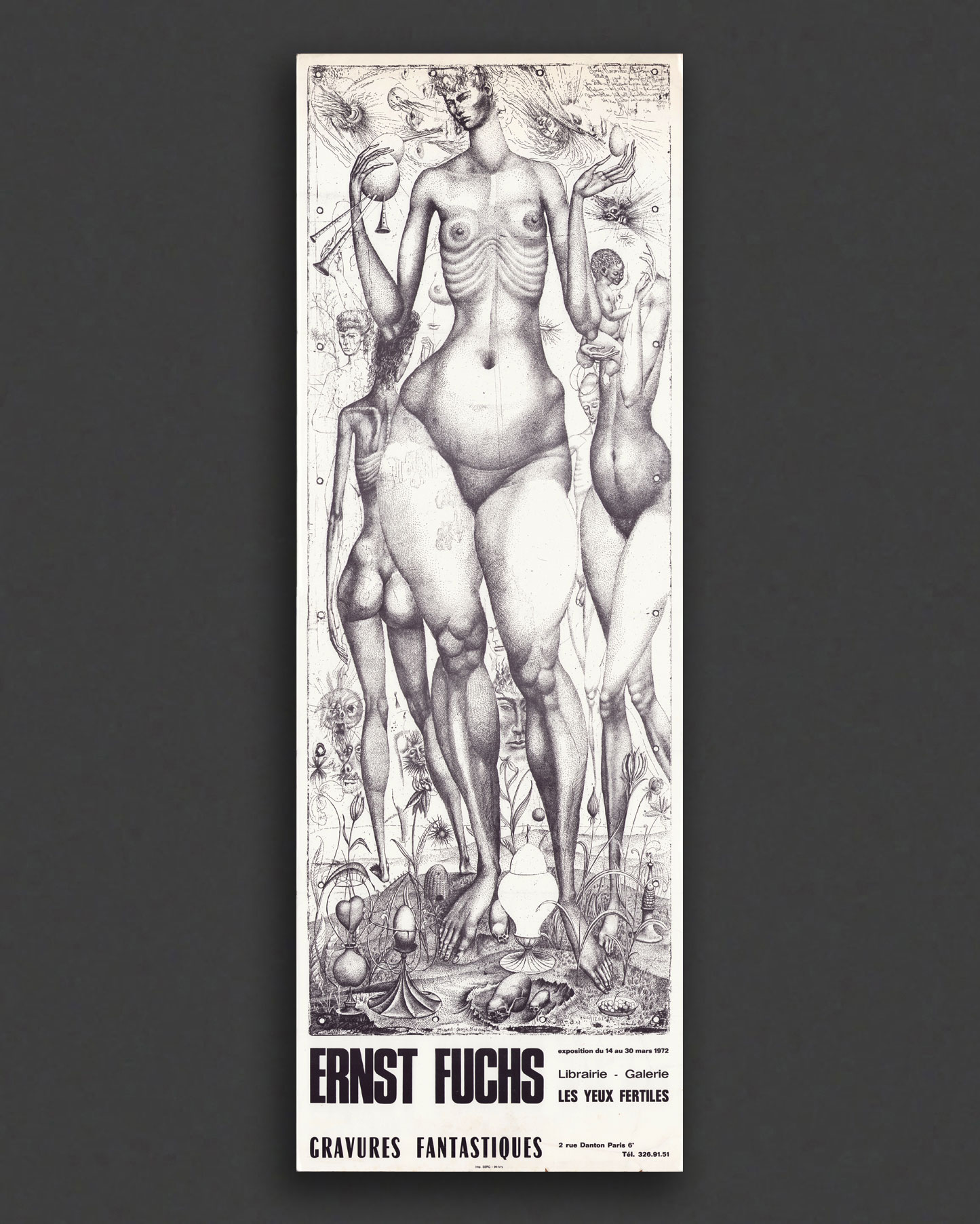
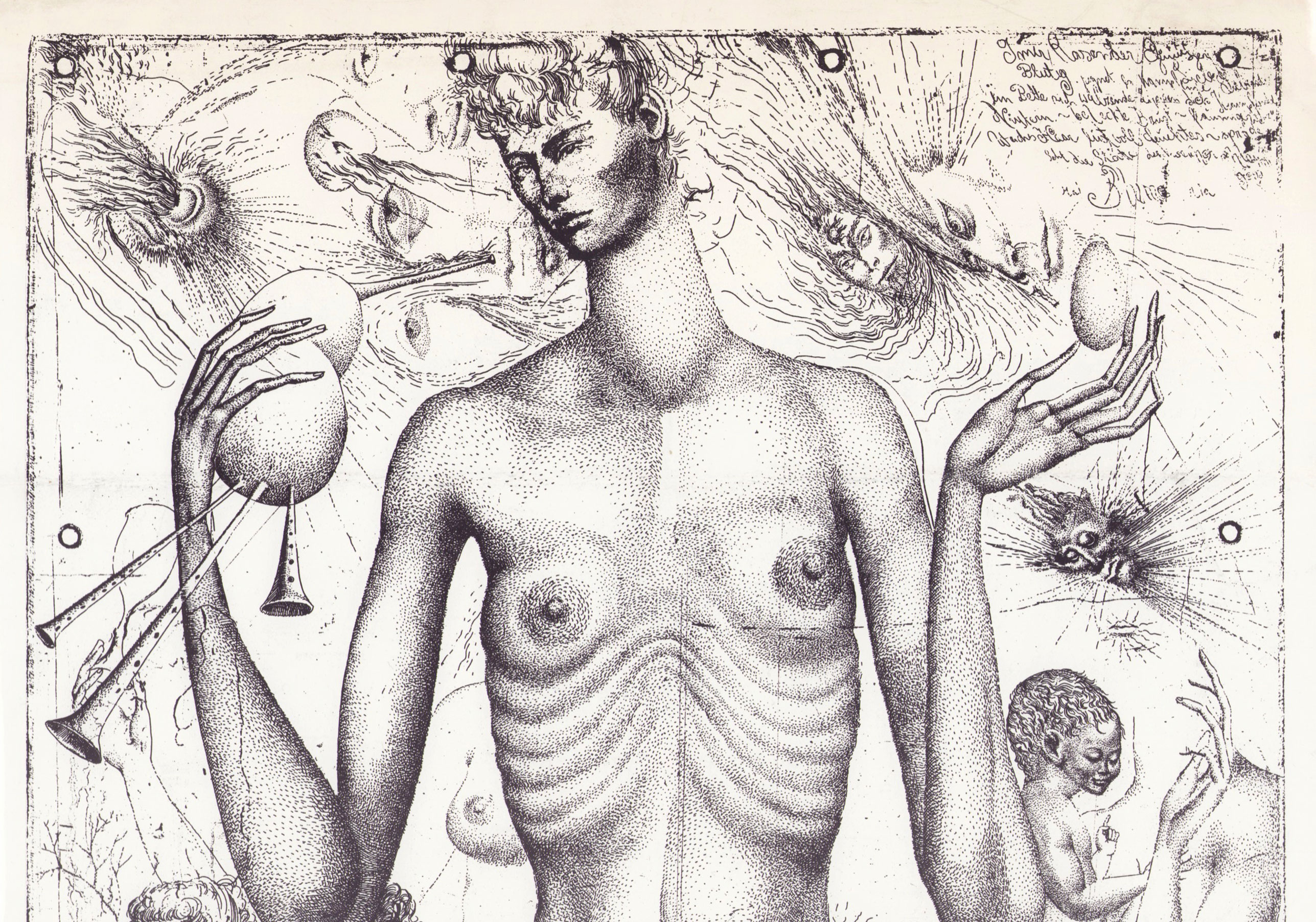
Ernst Fuchs
Gravures Fantastiques exhibition poster
1972, French
Offset poster, 91 x 31 cm
1st Edition, Out of print title / used / good
$190.00 - Out of stock
Very rare vintage exhibition poster printed in 1972 on the occasion of an exhibition of graphic works by leading representative of the "Vienna School of Fantastic Realism", the artist, poet, and philosopher Ernst Fuchs (1930 – 2015) at Les Yeux Fertiles Galerie/Libraire, Paris, March 14—30, 1972. An exquisite example of Fuchs' highly detailed line-work from his finest period, monochrome black ink printed on thick paper. Dimensions: 91 x 31 cm
Ernst Fuchs (1930 – 2015) was an Austrian artist and draughtsman of Jewish descent, engraver and sculptor, architect and stage designer, master of visionary painting and book illustration, as well as a composer and poet. At the Academy of Fine Arts in Vienna (1945), he met Arik Brauer, Rudolf Hausner, Fritz Janschka, Wolfgang Hutter, and Anton Lehmden, together with whom he later founded what has become known as the Vienna School of Fantastic Realism. He was also a founding member of the Art-Club (1946), as well as the Hundsgruppe, together with Friedensreich Hundertwasser and Arnulf Rainer. Between 1950 and 1961, Fuchs lived mostly in Paris, and made a number of journeys to the United States and Israel, his work informed by the sermons of Meister Eckehart, the symbolism of the alchemists and Jung's Psychology of Alchemy, along with the paintings of the Symbolists and the Old Masters. In 1958 he founded the Galerie Fuchs-Fischoff in Vienna to promote and support the younger painters of the Fantastic Realism school. Fuchs was a important influence on younger generations of artists including his student in Paris, Australian artist Vali Myers. Painters Mati Klarwein and H.R. Giger were also devoted followers of his work, Giger once saying "If I had not seen his work when I was young, I would never have begun to paint myself."
Good copy with light wear/age to extremities, storage folds now preserved flat. Authentic original from 1972, not a reproduction.
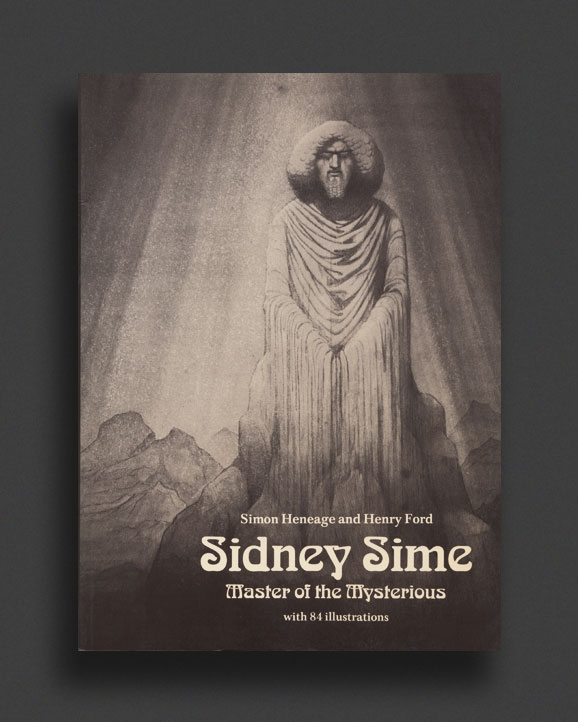

Sidney Sime
Master of the Mysterious
1980, English
Softcover, 96 pages, 28 x 20.5 cm
1st Edition, Out of print title / used / very good
$70.00 - In stock -
First edition of the long out-of-print monograph on the work of Sidney Sime (1867-1941), remembered for his fantastic and satirical artwork, especially his story illustrations for Irish author Lord Dunsany. Published in 1980, Master of the Mysterious collects Sime's incredible paintings, illustrations and graphic works, which are extremely hard to find documented anywhere today, alongside in-depth biographical texts by authors Simon Heneage and Henry Ford, tracing his entire life and career. Includes bibliography, published works, and a full index, making it the most comprehensive resource on the artist ever printed.
"Sidney Sime is probably the greatest imaginative English artist since Blake."—Hannen Swaffer, The Graphic, 1922
Sidney Sime (1867-1941) was an artist whose mysterious and fantastic illustrations were published in the well-known magazines of the turn of the century. He was also a graphic humorist, theatre designer and book illustrator whose imagery became inseparable from the new world of weird fiction and books of horror. Along with long and harmonious collaboration with Lord Dunsany, the Irish story-teller and playwright, a partnership without peer in the annals of fantasy illustration, Sime also provided illustrations to stories by William Hope Hodgson and Arthur Machen, amongst others. Mentioned in the same breath as Goya, Aubrey Beardsley, Arthur Rackham and Kay Nielsen, there is nothing quite like the mysterious works of Sime. Born in Manchester in poverty, Sime began his career working in the mines, before studying at the Liverpool School of Art. Sime had a meteoric career. He rose from pit-boy to artist in the space of a few years and made his name in London largely as an illustrator though he was also a painter of distinction. His abhorrence of Exhibitions (‘that last infirmity of senile kind’) and the effect of the First World War when artists tended to join movements and become socially conscious left the self-doubting individualist Sime somewhat isolated, becoming a recluse in his country house in Surrey. While his reputation languished and talent was neglected by a wider audience, his profound influence has been recorded in the work of writer H. P. Lovecraft and artist Roger Dean. One wouldn't be surprised if Sydney Sime's imagery was a precursor to worlds later created by Miyazaki, Dr. Seuss, and Moebius.
Very Good copy.
