World Food Books' programme is largely produced on Kulin Nation land. We acknowledge the Wurundjeri people of the Kulin Nation as the first and continuing custodians of this land, and pay respect to their Elders past, present, and emerging.
World Food Books is an arts and special interests bookshop in Naarm / Melbourne. Founded in 2010, World Food Books is devoted to the presentation of a rotating, hand-selection of international art, design, literary and counterculture publications with an emphasis on the anti-traditional, the experimental, the avant-garde, the heretic, the marginal.
Presenting new titles alongside rare and out-of-print books, catalogues and journals spanning the fields of modern and contemporary art, design, photography, illustration, film, literature, poetry, cultural theory, philosophy, sexuality, popular and underground culture in its many radical forms, World Food Books wishes to encourage adventurous, thoughtful and open-minded reading, looking, writing, and exchange of publishing and ideas, both current and historical.
As well as our bookshop, located in Melbourne's historical Nicholas Building, all of our inventory is available internationally via our online mail-order service.
World Food Books semi-regularly co-ordinates "Occasions", a programme of exhibits and events at the bookshop and in partnership with other hosts (such as museums and art galleries) that develop out of the activities, relationships and content of the bookshop itself.
World Food Books
The Nicholas Building
37 Swanston Street
Room 5, Level 6
Melbourne 3000
Australia
SHOP HOURS:
Thu–Fri 12–6, Sat 12–5
WEB-SHOP OPEN 24/7
World Food Books
Postal Address:
PO Box 435
Flinders Lane
Victoria 8009
Australia
Art
Theory / Essay
Architecture / Interior
Graphic Design / Typography
Photography
Fashion
Eros
LGBTQ+
Fiction / Poetry
Weird / Speculative / Science Fiction / Horror
Transgressive / Visceral / Abject
Symbolism / Decadence / Fin de siècle
Film / Video
Painting
Sculpture / Installation
Performance / Dance / Theater
Drawing
Sound / Music
Curatorial
Group Shows / Collections
Periodicals
Out-of-print / Rare
Posters / Ephemera / Discs
Signed Books
World Food Books Gift Voucher
World Food Book Bag
Australian Art
Australian Fiction
Australian Science Fiction / Speculative Fiction
Australian Poetry
Australian Photography
Japanese Photography
Conceptual Art
Minimal Art
Dada
'Pataphysics / Oulipo
Fluxus
Concrete Poetry
Pop Art
Surrealism
Arte Povera
Arte Informale / Haute Pâte / Tachism
Nouveau Réalisme / Zero / Kinetic
Situationism / Lettrism
Collage / Mail Art / Xerox Art
Art Brut / Folk / Visionary / Fantastic
Illustration / Graphic Art / Bandes Dessinées
Furniture
Italian Radical Design / Postmodernism
Textiles
Ceramics / Glass
Counterculture
Protest / Revolt
Philosophy
Psychoanalysis
Anthropology
Anarchism
Socialism / Anarchism / Communism / Capitalism
Literary Theory / Semiotics / Language
Feminism / Women's Studies
Gender Studies / Sexuality
Anthropology
Fetishism / BDSM
Drugs / Psychedelia
Crime / Violence
Animal Rights / Veganism
Occult / Esoterica
Ecology / Earth / Alternative Living
Whole Earth / Crafts
All prices in AUD (Australian dollars)
Pick-Ups
Pick-up orders can be collected in our bookshop during opening hours after order date. Please collect any Pick-up orders within 2 weeks of ordering as we have limited storage space. Orders will be released back into stock if not collected within this time. No refunds can be made for pick-ups left un-collected. If you cannot make it in to the bookshop in this time-frame, please choose postage option.
Return Policy
All sales are final. We do accept returns (for refund or exchange) for items received in error. All our orders are packed with special care using heavy-duty padding and cardboard book-mailers or bubble mailers (for smaller books), using reinforcement where required. We cannot take responsibility for any lost, stolen or damaged parcels.
Insurance
Should you wish to insure your package, please email us directly after placing your order and we can organise this at a small extra expense. Although all standard/express tracked packages are very safe and dependable, we cannot take responsibility for any lost, stolen or damaged parcels. We recommend insurance on valuable orders.
Interested in selling your old books, catalogues, journals, magazines, comics, fanzines, ephemera? We are always looking for interesting, unusual and out-of-print books to buy. We only buy books in our fields of interest and specialty, and that we feel we can resell.
We base these prices on desirability, market value, in-print prices, condition and our current stock levels. We offer cash, store credit, and can take stock on consignment. All
about 25% of the price we expect to get when we sell them, or 30% in store credit. We base these prices on desirability, market value, in-print prices, condition and our current stock levels.
Sell your books any day of the week. You can drop them off and return later. If you have a lot of books, we can visit your Sydney home.
We buy books that we feel we can resell. We offer about 25 % of the price we expect to get when we sell them, or 30% in store credit. We base these prices on desirability, market value, in-print prices, condition and our current stock levels.
Philadelphia Wireman
03 August - 01 September, 2018
World Food Books is proud to announce our next Occasion, the first presentation of sculptures by Philadelphia Wireman in Australia.
The Philadelphia Wireman sculptures were found abandoned in an alley off Philadelphia’s South Street on trash night in 1982. Their discovery in a rapidly-changing neighbourhood undergoing extensive renovation, compounded with the failure of all attempts to locate the artist, suggests that the works may have been discarded after the maker’s death. Dubbed the "Philadelphia Wireman" during the first exhibition of this work, in 1985, the maker’s name, age, ethnicity, and even gender remain uncertain. The entire collection totals approximately 1200 pieces, all intricately bound together with tightly-wound heavy-gauge wire (along with a few small, abstract marker drawings, reminiscent both of Mark Tobey and J.B. Murry). The dense construction of the work, despite a modest range of scale and materials, is singularly obsessive and disciplined in design: a wire armature or exoskeleton firmly binds a bricolage of found objects including plastic, glass, food packaging, umbrella parts, tape, rubber, batteries, pens, leather, reflectors, nuts and bolts, nails, foil, coins, toys, watches, eyeglasses, tools, and jewellery.
Heavy with associations—anthropomorphic, zoomorphic, and socio-cultural responses to wrapped detritus—the totemic sculptures by Philadelphia Wireman have been discussed in the context of work created to fulfil the shamanistic needs of alternative religions in American culture. Curators, collectors, and critics have variously compared certain pieces to sculpture from Classical antiquity, Native American medicine bundles, African-American memory jugs, and African fetish objects. Reflecting the artist’s prolific and incredibly focused scavenging impulse, and despite—or perhaps enhanced by—their anonymity, these enigmatic objects function as urban artefacts and arbiters of power, though their origin and purpose is unknown. Philadelphia Wireman, whatever their identity, possessed an astonishing ability to isolate and communicate the concepts of power and energy through the selection and transformation of ordinary materials. Over the course of the past two decades, this collection has come to be regarded as an important discovery in the field of self-taught art and vernacular art.
Presented in collaboration with Fleisher-Ollman Gallery, Philadelphia, and Robert Heald, Wellington.
Susan Te Kahurangi King
02 February - 10 March, 2018
Susan Te Kahurangi King (24 February 1951 - ) has been a confident and prolific artist since she was a young child, drawing with readily available materials - pencils, ballpoint pens and felt-tip markers, on whatever paper is at hand. Between the ages of four and six Susan slowly ceased verbal communication. Her grandparents William and Myrtle Murphy had developed a special bond with Susan so they took on caring responsibilities for extended periods. Myrtle began informally archiving her work, carefully collecting and storing the drawings and compiling scrapbooks. No drawing was insignificant; every scrap of paper was kept. The King family are now the custodians of a vast collection containing over 7000 individual works, from tiny scraps of paper through to 5 meter long rolls.
The scrapbooks and diaries reveal Myrtle to be a woman of great patience and compassion, seeking to understand a child who was not always behaving as expected. She encouraged Susan to be observant, to explore her environment and absorb all the sights and sounds. Myrtle would show Susan’s drawings to friends and people in her community that she had dealings with, such as shopkeepers and postal workers, but this was not simply a case of a grandmother’s bias. She recognised that Susan had developed a sophisticated and unique visual language and sincerely believed that her art deserved serious attention.
This was an unorthodox attitude for the time. To provide some context, Jean Dubuffet coined the term Art Brut in 1945 to describe work created by self-taught artists – specifically residents of psychiatric institutions and those he considered to be visionaries or eccentrics. In 1972 Roger Cardinal extended this concept by adopting the term Outsider Art to describe work made by non-academically trained artists operating outside of mainstream art networks through choice or circumstance. Susan was born in Te Aroha, New Zealand in 1951, far from the artistic hubs of Paris and London that Dubuffet and Cardinal operated in. That Myrtle fêted Susan as a self-taught artist who deserved to be taken seriously shows how progressive her attitudes were.
Susan’s parents Doug and Dawn were also progressive. Over the years they had consulted numerous health practitioners about Susan’s condition, as the medical establishment could not provide an explanation as to why she had lapsed into silence. Dawn educated herself in the field of homeopathy and went on to treat all twelve of her children using these principles – basing prescriptions on her observations of their physical, mental and emotional state.
Doug was a linguist with an interest in philosophy who devoted what little spare time he had to studying Maori language and culture. To some extent their willingness to explore the fringes of the mainstream made them outsiders too but it was their commitment to living with integrity and their respect for individuality that ensured Susan’s creativity was always encouraged.
Even though Susan’s family supported her artistic pursuits, some staff in schools and hospitals saw it as an impediment to her assimilation into the community and discouraged it in a variety of ways. Her family was not always aware of this and therefore did not fully understand why Susan stopped drawing in the early 1990s. However, rather than dwell on the challenges that Susan faced in pursuit of her artistic practice, they prefer to highlight her achievements. In 2008 Susan began drawing again in earnest, after an almost 20 year interruption, and her work is now shown in galleries around the world.
Susan grew up without television and has been heavily influenced by the comics she read as a child. She is absolutely fearless in the appropriation of recognizable characters, such as Donald Duck and Mickey Mouse, in her work. She twists their limbs, contorts their faces, compresses them together, blends them into complex patterned backgrounds - always imbuing them with an incredible energy. Although Susan often used pop culture characters in her work they are not naive or childlike. These are drawings by a brilliant self-taught artist who has been creating exceptional work for decades without an audience in mind.
Mladen Stilinović
"Various Works 1986 - 1999"
02 February 16 - September 10, 2016
Various works 1986 - 1999, from two houses, from the collections of John Nixon, Sue Cramer, Kerrie Poliness, Peter Haffenden and Phoebe Haffenden.
Including: Geometry of Cakes (various shelves), 1993; Poor People’s Law (black and white plate), 1993; White Absence (glasses, ruler, set square, silver spoon, silver ladel with skin photograph and wooden cubes), 1990-1996; Exploitation of the Dead (grey and red star painting, wooden painting, black spoon with red table, red plate), 1984-1990; Money and Zeros (zero tie, paintings made for friends in Australia (Sue, John, Kerrie), numbers painting), 1991-1992; Words - Slogans (various t-shirts) - “they talk about the death of art...help! someone is trying to kill me”, “my sweet little lamb”, “work is a disease - Karl Marx”; Various artist books, catalogues, monographs, videos; Poster from exhibition Insulting Anarchy; "Circular" Croatian - Australian edition; Artist book by Vlado Martek (Dostoyevsky); more.
Thanks to Mladen Stilinović and Branka Stipančić.
Jonathan Walker
Always Will Need To Wear Winter Shirt Blue + Ochre Small Check Pattern
21 August - 21 September, 2015
Untitled
I am not a great reader of poetry but I always return to the work of Melbourne poet, Vincent Buckley (1925- 1988). Perhaps I find his most tantalising piece to be not a finished poem but a fragment left on a scrap of paper discovered on his desk after the poet’s death.
The poetry gathers like oil
In the word-core, and spreads
It has its music meet,
Its music is in movement.
This fragment is more the shell left behind from a volatile thought than a finished poem. I find the last two lines honest but awkward whereas the first two lines work like an arrow. Most likely he could not find a resolution so it was left. Still, in its present form, it remains an eloquent testimony to the ultimate failure of a medium to express mobile thought and sensation, in Buckley’s case, through verbal language. It’s an important matter because this is something all artists have to deal with regardless of the medium.
I have never written a poem, however, I am forever copying fragments from books on paper scraps in a vain effort to fix certain notions in my head. At first, they function as bookmarks that are sometimes returned to when I open the book. But before long, as they accumulate, they fall out littering the table interspersed with A4 photocopies, bills, books and medications.
To return to Buckley’s fragment, the first two lines very much evoke how I paint nowadays. As you age, detail diminishes and patches of light become more luminous and float. I feel the most honest way of dealing with this is by smearing the oil paint on the canvas with the fingers and working close-up, blind. Only if the patches coalesce into an approaching image can the work gain a life.
-
Jonathan Walker was born in Melbourne, Australia and brought up on a dairy farm in Gippsland. In the 1970’s he studied painting at RMIT and won the Harold Wright Scholarship to the British Museum, London. During the 1980’s he exhibited at Pinacotheca Gallery, Richmond and had work shown at the NGV and Heidi City Art Gallery. Over the same period he designed the cover for the “Epigenesi” LP by Giancarlo Toniutti, Italy and conducted a mail exchange work with Achim Wollscheid, Germany. The work with artists through the post resulted in an article published in the bicentenary issue of Art and Australia 1988. He showed in artist run spaces such as WestSpace in the 90’s and 2000’s, and until 2012, taught painting at Victoria University, which is where we (Colleen Ahern and Lisa Radford) as organisers of the exhibition, among many others, had the privilege of being his student.
Walker’s knowledge was imparted to students through the careful selection of music, literature, and artists found in books that he himself had ordered for the library. Walker’s strategy was the generosity of sharing his vast knowledge with references specific to each student and their context.
Walker’s paintings share a similar focus and intimacy.
This exhibition presents a small selection of recent paintings alongside a publication that includes Walker’s writing. Observational and analytical, Walker’s work is a type of material notation — the time of day, colour and how it is blended, the both specific and fleeting location of a reflection on lino or the question of whether a chair leg should be included in a painting.
Please join us on Friday August 21 between 6-8pm to celebrate the opening of the exhibition.
Curated by Colleen Ahern and Lisa Radford.
B. Wurtz
Curated by Nic Tammens
March 26 - April 4, 2015
B.Wurtz works from a basement studio in his home on Manhattan’s Lower East Side.
This local fact is attested to by the plastic shopping bags and newsprint circulars that appear in his work. As formal objects, they don’t make loud claims about their origins but nonetheless transmit street addresses and places of business from the bottom of this long thin island. Like plenty of artists, Wurtz is affected by what is local and what is consumed. His work is underpinned by this ethic. It often speaks from a neighborhood or reads like the contents of a hamper:
“BLACK PLUMS $1.29 lb.”
“Food Bazaar”
“USDA Whole Pork Shoulder Picnic 99c lb.”
“RITE AID Pharmacy, with us it’s personal.”
“H. Brickman & Sons.”
“Sweet Yams 59c lb."
Most of the work in this exhibition was made while the artist was in residence at Dieu Donne, a workshop dedicated to paper craft in Midtown. Here Wurtz fabricated assemblages with paper and objects that are relatively lightweight, with the intention that they would be easily transportable to Australia. This consideration isn’t absolute in Wurtz’s work, but was prescriptive for making the current exhibition light and cheap. Packed in two boxes, these works were sent from a USPS post office on the Lower East Side and delivered to North Melbourne by Australia Post.
Wurtz appears courtesy of Metro Pictures, New York.
Thanks to Rob Halverson, Joshua Petherick, Sari de Mallory, Matt Hinkley, Helen Johnson, Fayen d'Evie, Ask Kilmartin, Lisa Radon, Ellena Savage, Yale Union, and "Elizabeth".
John Nixon
"Archive"
December 15 - January 20, 2014
The presentation of John Nixon's archive offered a rare showcase of this extensive collection of the artist's own publications, catalogues, posters, ephemera, editions and more, from the mid 1980s onwards, alongside a selection of his artworks.
Organized by John Nixon, Joshua Petherick and Matt Hinkley.
<a href=http://wfb.public-office.info/artist/john-nixon>All titles by John Nixon
"Habitat"
at Minerva, Sydney (organised by Joshua Petherick and Matt Hinkley)
November 15 - December 20, 2014
Lupo Borgonovo, Janet Burchill & Jennifer McCamley,
Lewis Fidock, HR Giger, Piero Gilardi, Veit Laurent Kurz,
Cinzia Ruggeri, Michael E. Smith, Lucie Stahl, Daniel Weil, Wols
Press Release:
“...It contained seven objects. The slender fluted bone, surely formed for flight, surely from the wing of some large bird. Three archaic circuitboards, faced with mazes of gold. A smooth white sphere of baked clay. An age-blackened fragment of lace. A fingerlength segment of what she assumed was bone from a human wrist, grayish white, inset smoothly with the silicon shaft of a small instrument that must once have ridden flush with the surface of the skin - but the thing’s face was seared and blackened.”
William Gibson, “Count Zero”, 1986
"Autumn Projects Archive"
Curated by Liza Vasiliou
March 6 - March 15, 2014
World Food Books, in conjunction with the Virgin Australia Melbourne Fashion Festival 2014, presented the Autumn Projects archive, consisting of a selection of early examples in Australian fashion with a particular interest in collecting designers and labels from the period beginning in the 1980’s, who significantly influenced the discourse of Australian Fashion.
Curated by Liza Vasiliou, the exhibition provided a unique opportunity to view pieces by designers Anthea Crawford, Barbara Vandenberg, Geoff Liddell and labels CR Australia, Covers, Jag along with early experimental collage pieces by Prue Acton and Sally Browne’s ‘Fragments’ collection, suspended throughout the functioning World Food Books shop in Melbourne.
H.B. Peace
presented by CENTRE FOR STYLE
November 14, 2013
"Hey Blinky, you say chic, I say same"
Anon 2013
H.B. Peace is a clothing collaboration between great friends Blake Barns and Hugh Egan Westland. Their pieces explore the divergences between 'character’ and ‘personality’ in garments....etc
Special Thanks to Joshua Petherick and Matt Hinkley of WFB and Gillian Mears
and a Very Special Thank you to Audrey Thomas Hayes for her shoe collaboration.
Janet Burchill & Jennifer McCamley
"Aesthetic Suicide"
May 10 - June 8, 2013
The first of our occasional exhibitions in the World Food Books office/shop space in Melbourne, "Aesthetic Suicide" presented a body of new and older works together by artists Janet Burchill & Jennifer McCamley, including videos, prints, a wall work, and publications.
During shop open hours videos played every hour, on the hour.
1992, English
Hardcover (w. dust jacket), unpaginated, 23.5 x 19 cm
1st Edition, Out of print title / used / fine
Published by
Treville / Tokyo
$80.00 - Out of stock
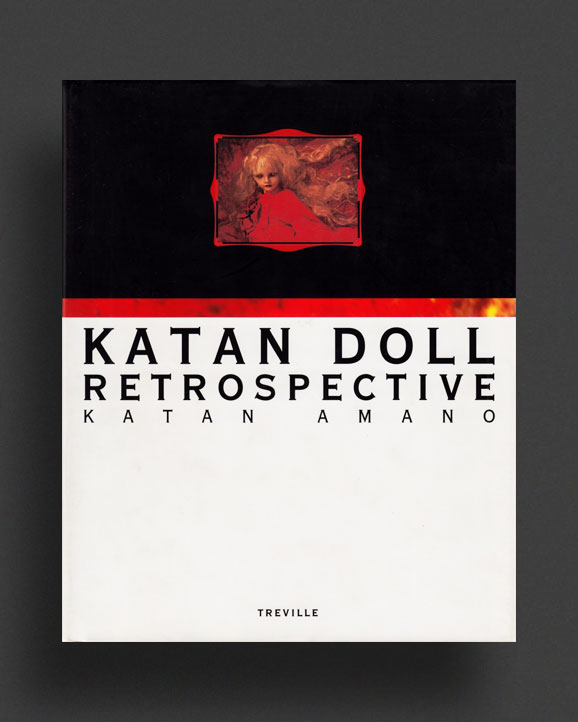
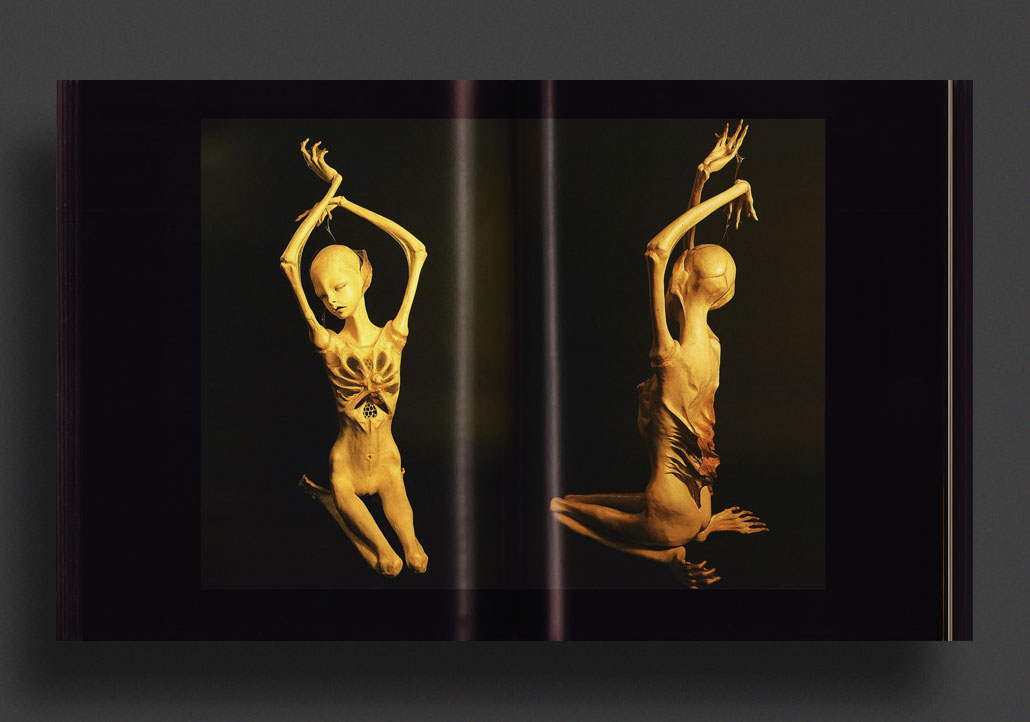
Scarce first hardcover edition of Katan Amano's collection of works, published by Treville in Japan in 1992. Japanese doll and puppet artist Katan Amano (1953—1990) is well known in Japan for her tender and haunting doll works. Amano was staff at Tokyo's Pygmalion Doll Studio in the 1980's and during her short life created a universe of Hans Bellmer and Alice inspired dolls. These elegantly beautiful, otherworldly ball-jointed children are Amano's vehicles for an arresting and primal vision. She died in 1990 in a motorcycle accident. This gorgeous book is lavishly illustrated with the finest examples of her award-winning dolls shot by her collaborator Ryoichi Yoshida. In addition to her incredible doll works, the book also features her Hieronymus Bosch and Lewis Carroll inspired sculptural creatures, grotesque-baroque objects and dark fantasy paintings, all lavishly reproduced on gloss stock. A small amount of text in Japanese.
Near Fine copy in NF dust jacket.
2006, Japanese
Softcover (w. dust jacket/obi), 135 pages, 26.2 x 21 cm
1st Edition, Out of print title / used / very good
Published by
Hobby Japan / Tokyo
$65.00 - Out of stock
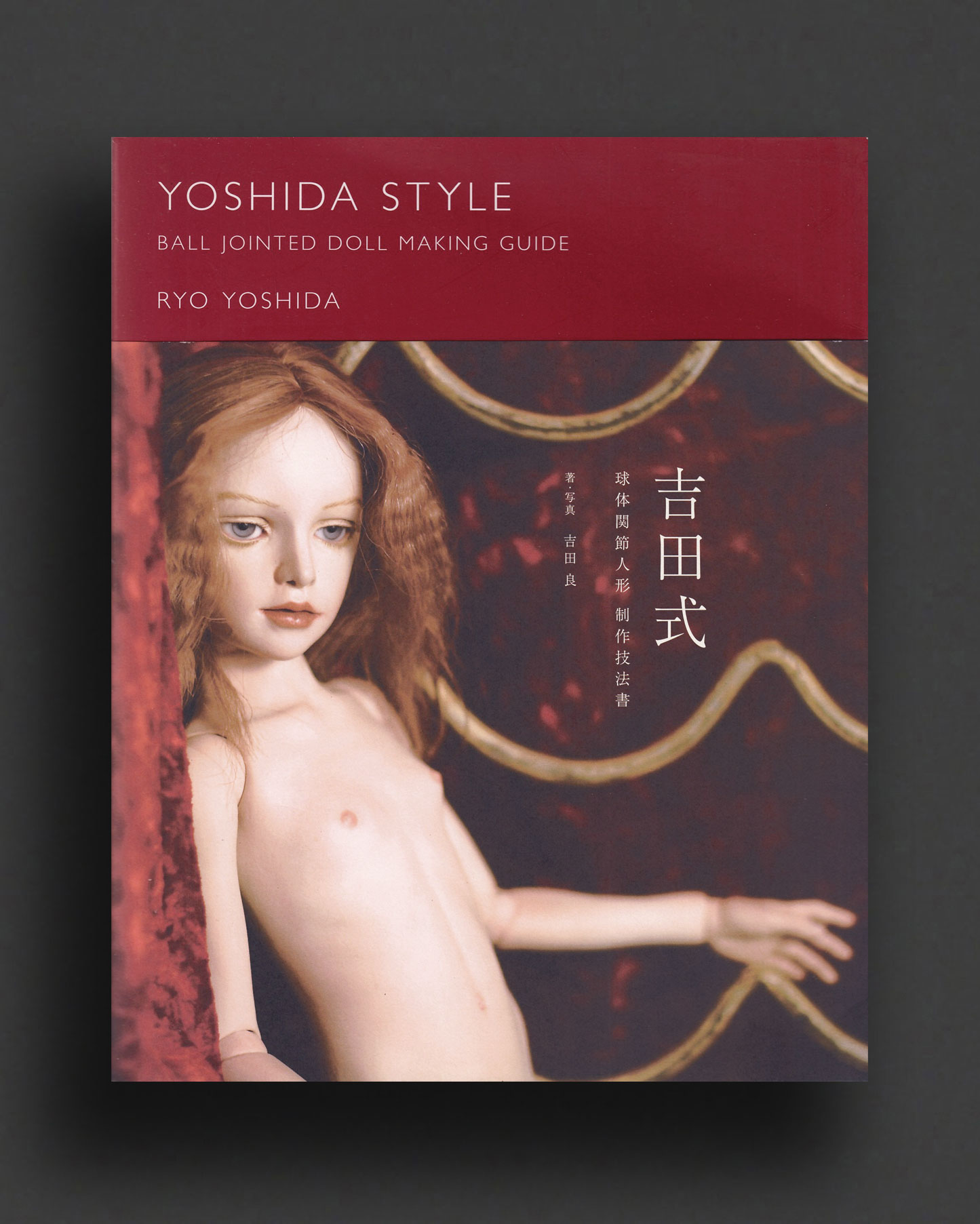
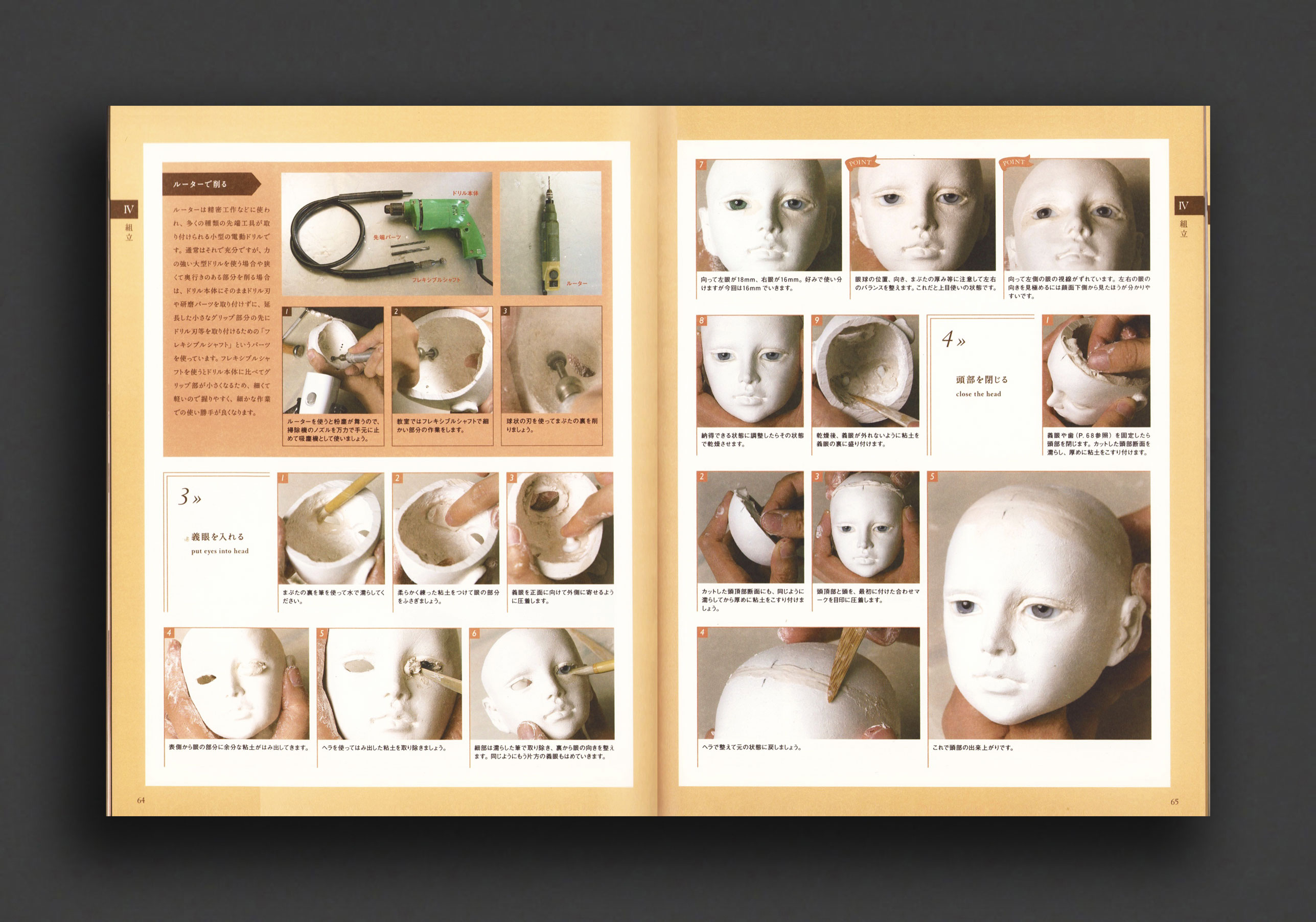
Japanese artist Ryo Yoshida is a pioneer of ball-jointed dolls, a writer, and a photographer who has worked on Katan Amano's doll photography. Profusely illustrated, this valuable sculptor's book is made up of all the practical lessons Yoshida has cultivated in his own classroom at Doll Space Pygmalion in Jiyugaoka (est. 1983) and has expanded from his popular serialized step-by-step HOW TO lessons in the monthly magazine Hobby Japan. A teaching aid and art book, many doll photographs with an emphasis on intricate and detailed materiality are included that you would not find anywhere else. It also contains photographic galleries of examples of Mr. Yoshida's works. At the end of the book is a list of Japanese shops where you can purchase hard-to-find doll-related materials. This is a long-awaited book for doll fans and those who aspire to create dolls and human figures.
"These days, many young people enjoy customizing and making their own dolls. There are many products featuring characters from animations & games in the market, and dolls are found even in art scenes. Dolls are not only for girls, but it has been growing a more popular hobby beyond the OTAKU world. This book is based on the serial HOW TO articles "RYO YOSHIDA Ball Jointed Doll Making Guide" in Monthly HOBBY JAPAN for 19 months since Oct-2004 issue. I have added more explanations and photographs to help especially beginners understand techniques of doll making. Please start making your original doll. I wish that this book may help you. I am sure that making your own doll will bring you joy and happiness of handicraft."—Ryo Yoshida (Introduction)
Very Good copy.
2025, English
Hardcover, 320 pages, 30 x 24 cm
Published by
Fulgur Press / UK
$165.00 - In stock -
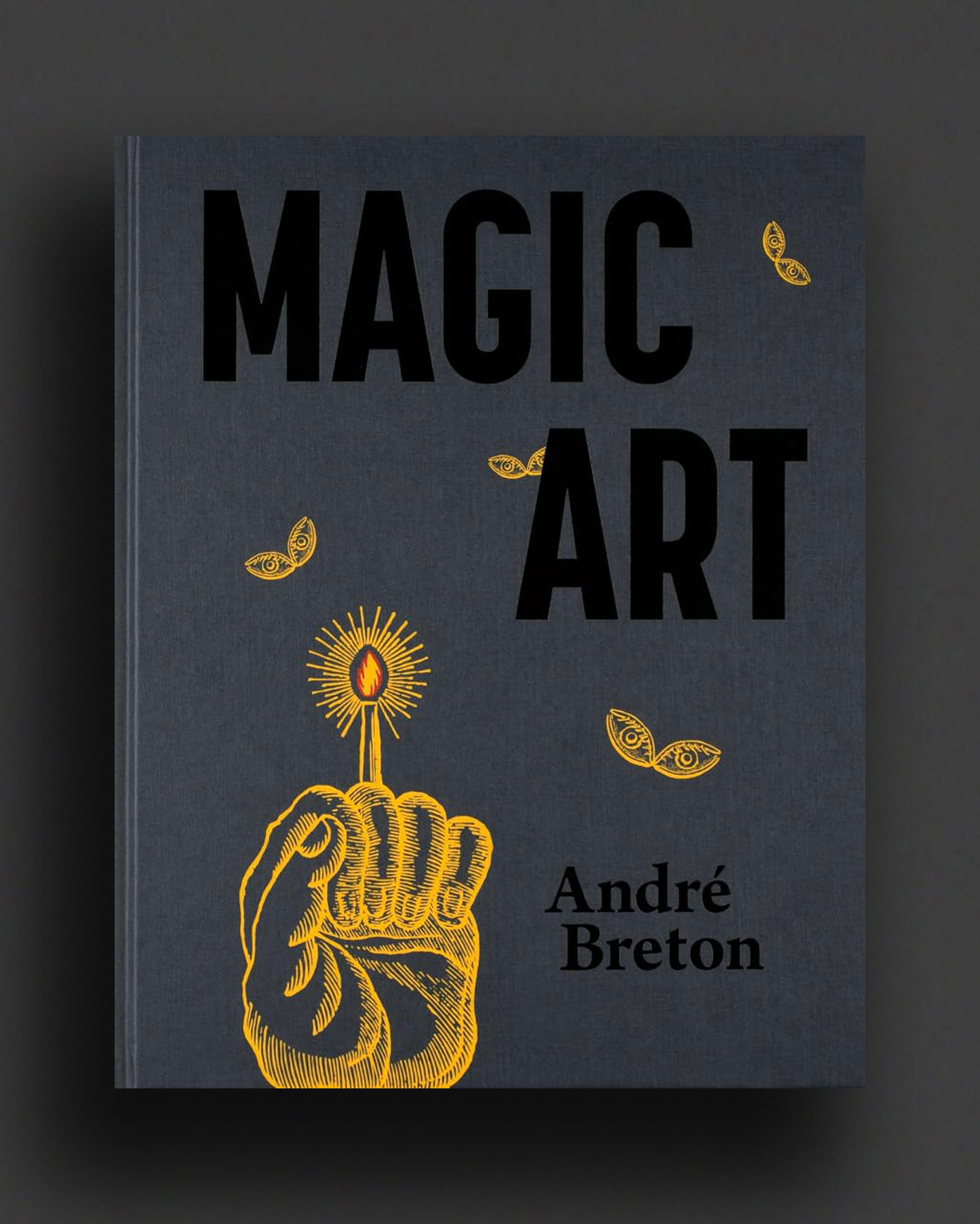
Breton's late treatise on magic and art appears for the first time in English, complete with citations, commentaries and a bibliography.
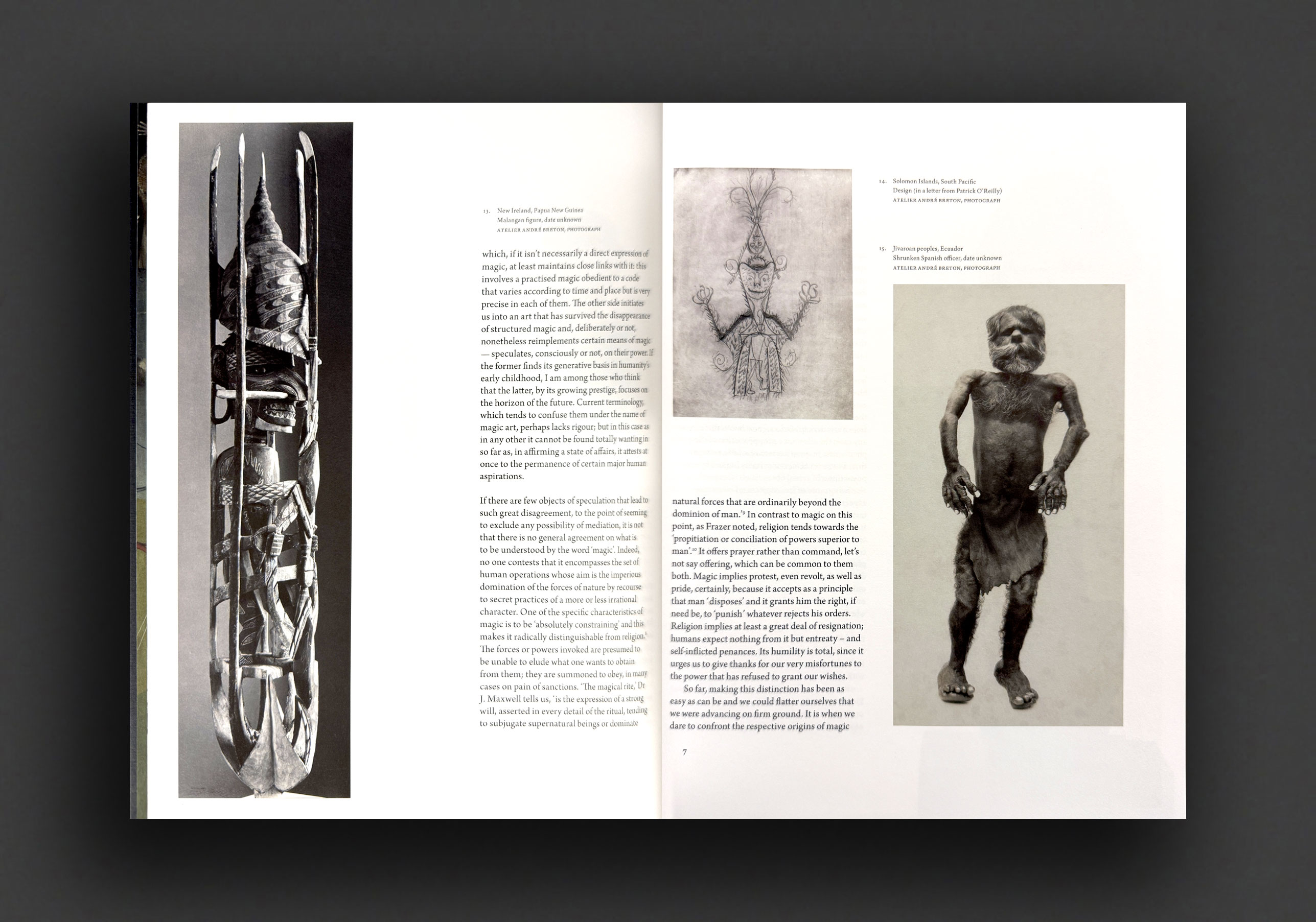
What is “Magic Art”? In 1953, André Breton, founder of the Surrealist movement, was invited by a prestigious French publisher to explore answers to this question. His resulting analysis is wide-ranging and evocative. Beginning with a literary review of magic and art, Breton draws upon Novalis and Baudelaire before considering the prehistoric rock art of Spain and France, the native art of the Pacific Northwest, the magical grimoires and alchemical symbolism of the Middle Ages, and the work of Hieronymus Bosch, Antoine Caron, Paolo Uccello, Gustav Moreau, Paul Gauguin and the Surrealists. Through these and other diverse sources, Breton traces a mystery that lies at the heart of our timeless fascination with otherness and seeks to place Surrealism as a successor to a magical sensibility that began with art itself.
First published in 1957 as L’Art magique, this important text is offered here as an English translation for the first time. Working from manuscript notes for the original project, this edition presents the iconographic content as Breton intended, together with more than 300 new citations and a comprehensive bibliography that emphasizes sources found in Breton’s own library.
André Breton (1896–1966) was one of the founders and most controversial exponents of Surrealism, defining the movement in his first Surrealist Manifesto as “pure psychic automatism.” Fleeing from Europe during World War II, Breton traveled throughout North America staging Surrealist exhibitions and lending his voice to several political movements.
With contributions by Gérard Legrand, Robert Shehu-Ansell, Merlin Cox, Krzysztof Fijalkowski, Dawn Ades, Anne Egger, Kristoffer Noheden.
2017—2018, English
Softcover (staple-bound) pamphlets/flyers + 2 envelopes, various pagination, 42 x 20.4 cm
1st Edition, Out of print title / used / very good
Published by
Comme des Garçons / Tokyo
$200.00 - Out of stock
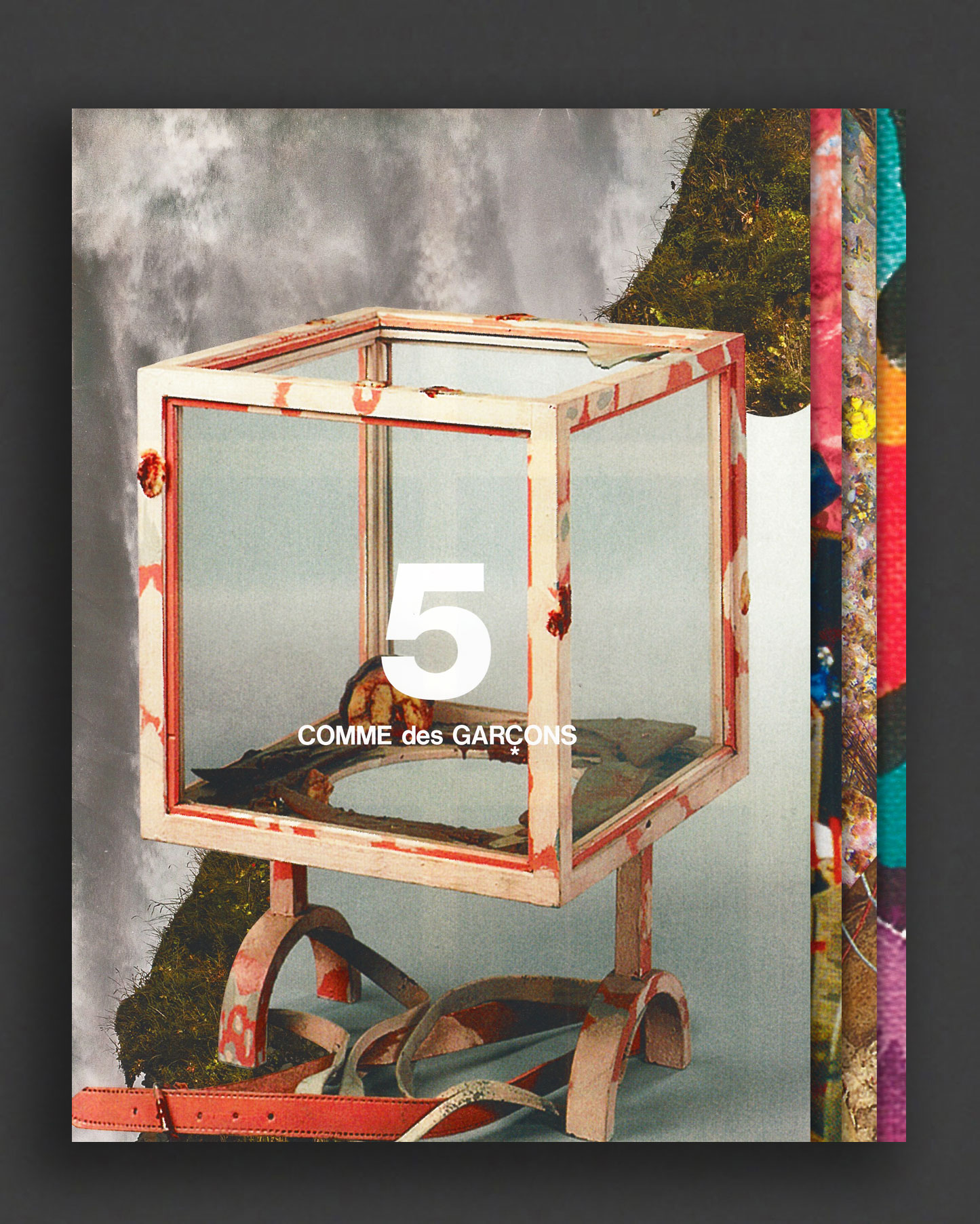
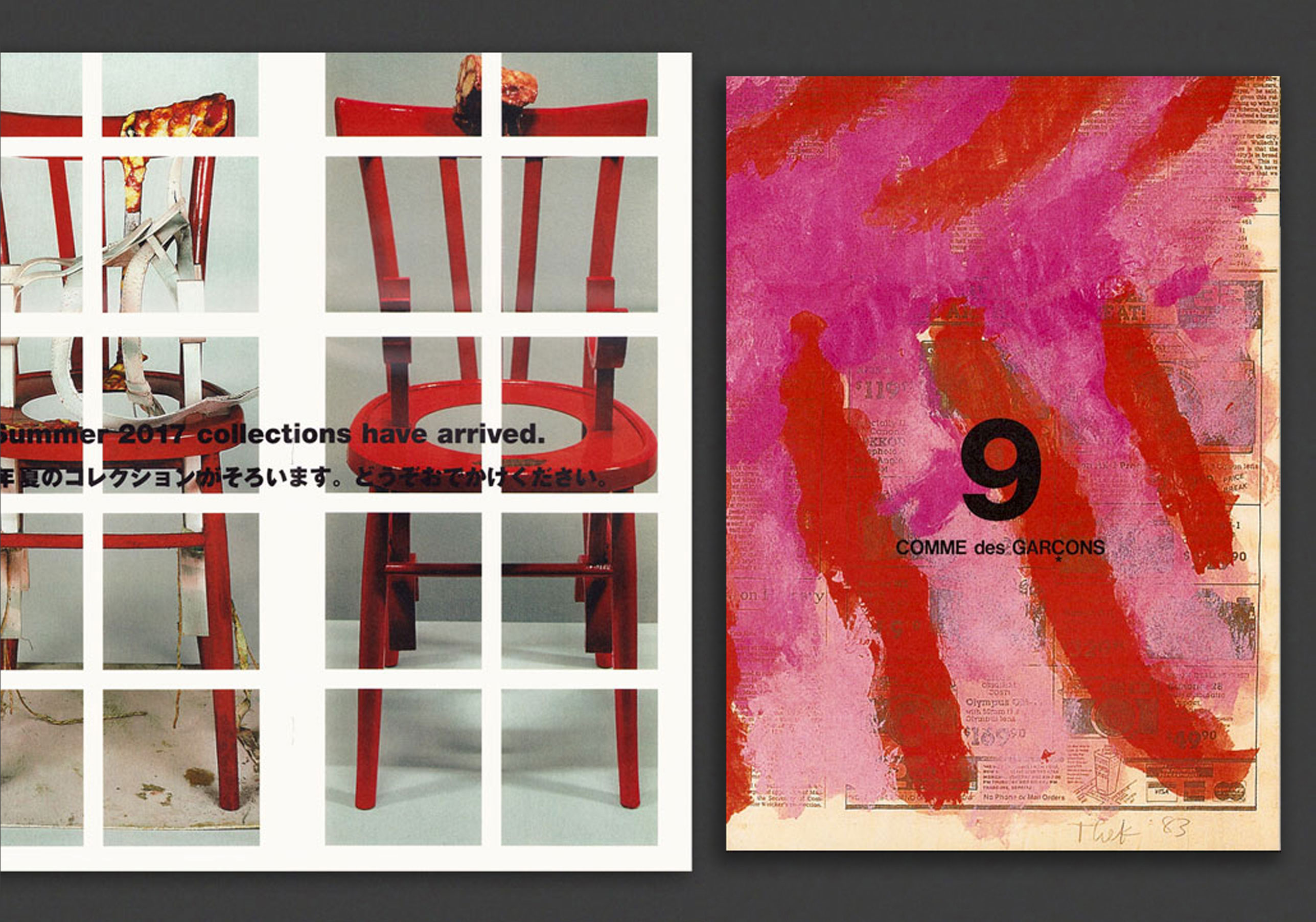
Large lot of the printed collaboration between Rei Kawakubo's Comme des Garçons and the estate of American artist Paul Thek. Issued as mail-outs privately by Comme to announce the arrival of each of their 2017—18 collections, and not commercially available, these gorgeous, over-sized, elaborate fold-out leaflets designed by CDG showcase Thek's artworks (paintings, installations, drawings, sculptures, photography, etc) in a series of graphic collaged publications, made possible by Robert Wilson's Watermill Centre and Alexander and Bonin. Very Good, preserved copies, issued and collected individually, now very scarce. A couple with original b/w CDG mailers/envelopes included (not pictured). Included are the publications/posters numbered #5, #9, #10, #21, #23.
American artist Paul Thek (1933-1988) was an elusive sculptor, painter, and one of the first artists to create environments or installations, who came to recognition showing his sculpture in New York galleries in the 1960s. The first works exhibited, which he began making in 1964 and called “meat pieces” as they were meant to resemble flesh, were encased in Plexiglas boxes that recall Minimal sculptures. At the end of the sixties, Thek left for Europe, where he created extraordinary environments, incorporating elements from art, literature, theater, and religion, often employing fragile and ephemeral substances, including wax and latex. His work was presented at documenta 4 and 5 in Kassel (1968, 1972), the Stedelijk Museum in Amsterdam (1969), the Moderna Museet in Stockholm (1971), and the Kunstmuseum in Lucerne (1973). He was supported in particular by Harald Szeemann and Jean-Christophe Ammann. In 1977, Suzanne Delehanty curated Processions at the Institute of Contemporary Art in Philadelphia, marking the first solo exhibition of Paul Thek's work in an American institution. At the close of the 1970's Thek changed direction, moved back to New York, and turned to the making of small, sketch-like paintings on canvas, although he continued to create environments in key international exhibitions. With his frequent use of highly perishable materials, Thek accepted the ephemeral nature of his art works—and was aware, as writer Gary Indiana has noted, of “a sense of our own transience and that of everything around us.” Following his death in 1988, his work was mainly shown in Europe (Castello di Rivara, Witte de With, etc). In 2008, the ZKM in Karlsruhe programmed Paul Thek Artist's Artist, which also explored how Thek's work has resonated in the contemporary scene. On the other side of the Atlantic, it wasn't until 2010 that the Whitney Museum in New York dedicated a remarkable retrospective to Thek, whose title, Paul Thek: Diver, emphasized the artist's passion for the sea.
Very Good copies each.
2012, English / German
Softcover, 104 pages, 20.3 x 24.8 cm
1st Edition, Out of print title / as new
Published by
Walther König / Köln
Collection de l'Art Brut / Lausanne
$120.00 - In stock -
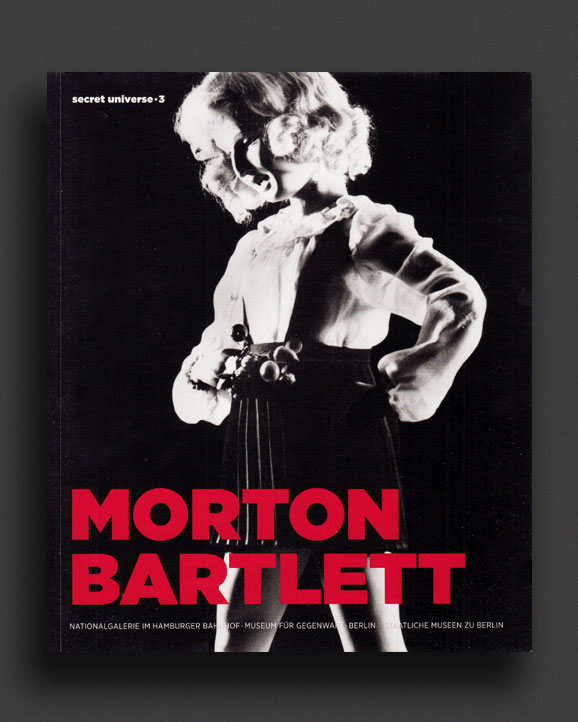
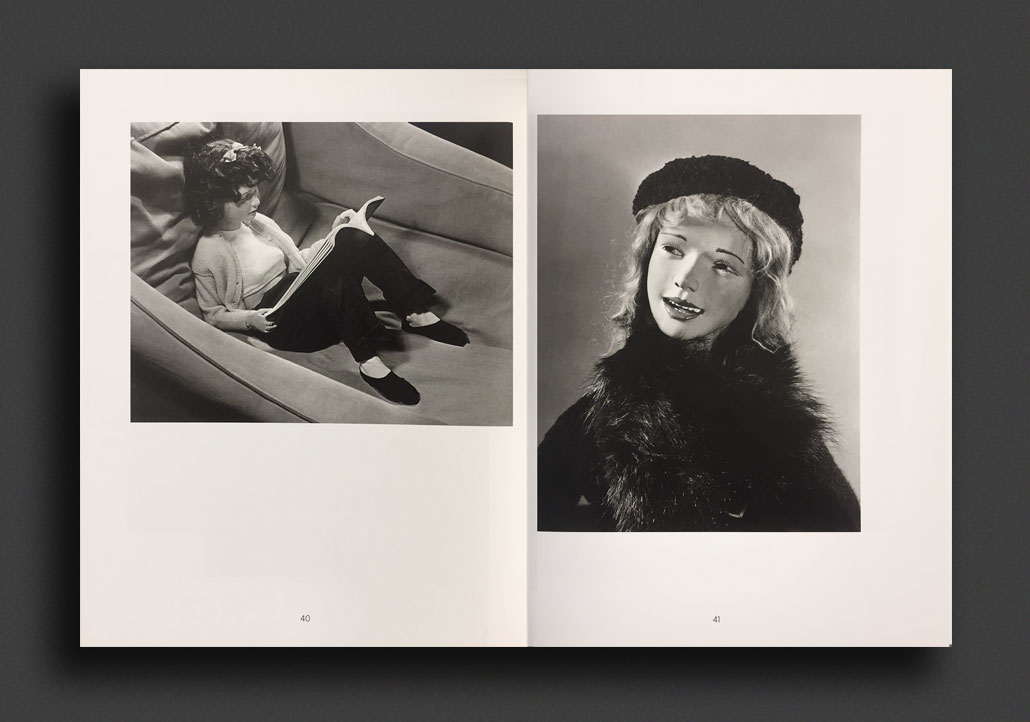
Scarce out-of-print monograph on the work of Morton Bartlett, one of only a couple of books on the artist, published by Collection de l'Art Brut Lausanne and Walther Koenig in 2012 and quickly sold out.
When the freelance photographer and graphic designer Morton Bartlett (1909–1992) died at the age of 83, his relatives found 15 chests among his possessions. Each chest contained a half-life-size doll and its accessories: 12 girls and three boys, a wardrobe of hand-sewn clothes, black-and-white photographs of each doll as well as countless studies and archival materials. Bartlett began designing these dolls in the mid-1930s, studying anatomy books and histories of costume, and learning to sew and mold with clay to make them as true to life as possible. Each doll entailed a huge amount of labor, taking up to a year to complete; Bartlett created costumes and wigs for each one and then staged them in lifelike scenarios and photographed them, documenting a family he had never had and creating a body of work that would remain unexhibited during his lifetime. The third installment in the Bahnhof Museum’s series on outsider artists, this volume examines Bartlett’s extraordinary lifelong obsession.
Edited and with foreword by Udo Kittelmann, Claudia Dichter. Text by Lee Kogan.
As New copy.
1994, English
Softcover, 64 pages, 28 x 21.5 cm
1st Edition, Out of print title / used / fine
Published by
Marion Harris / New York
$65.00 - Out of stock
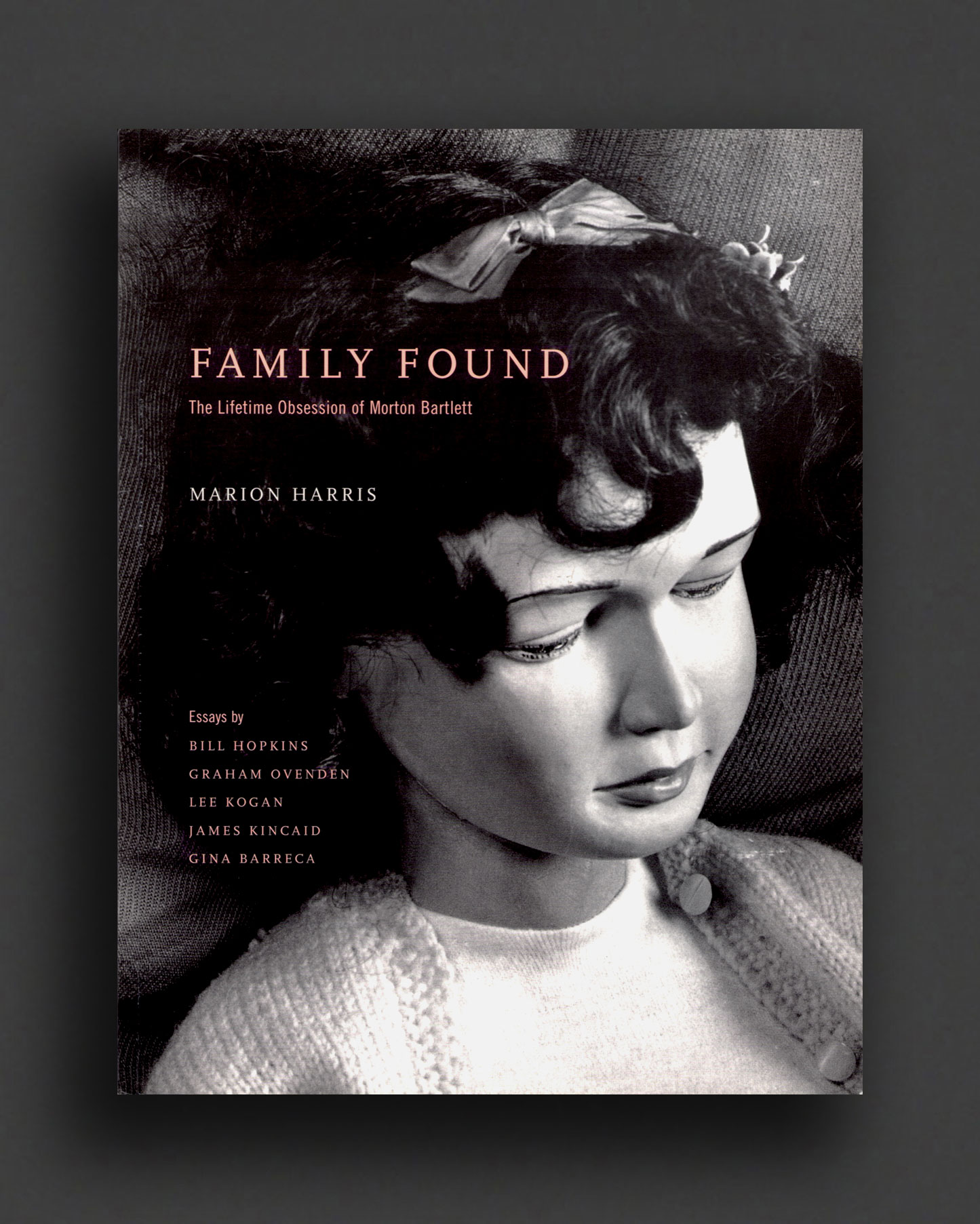
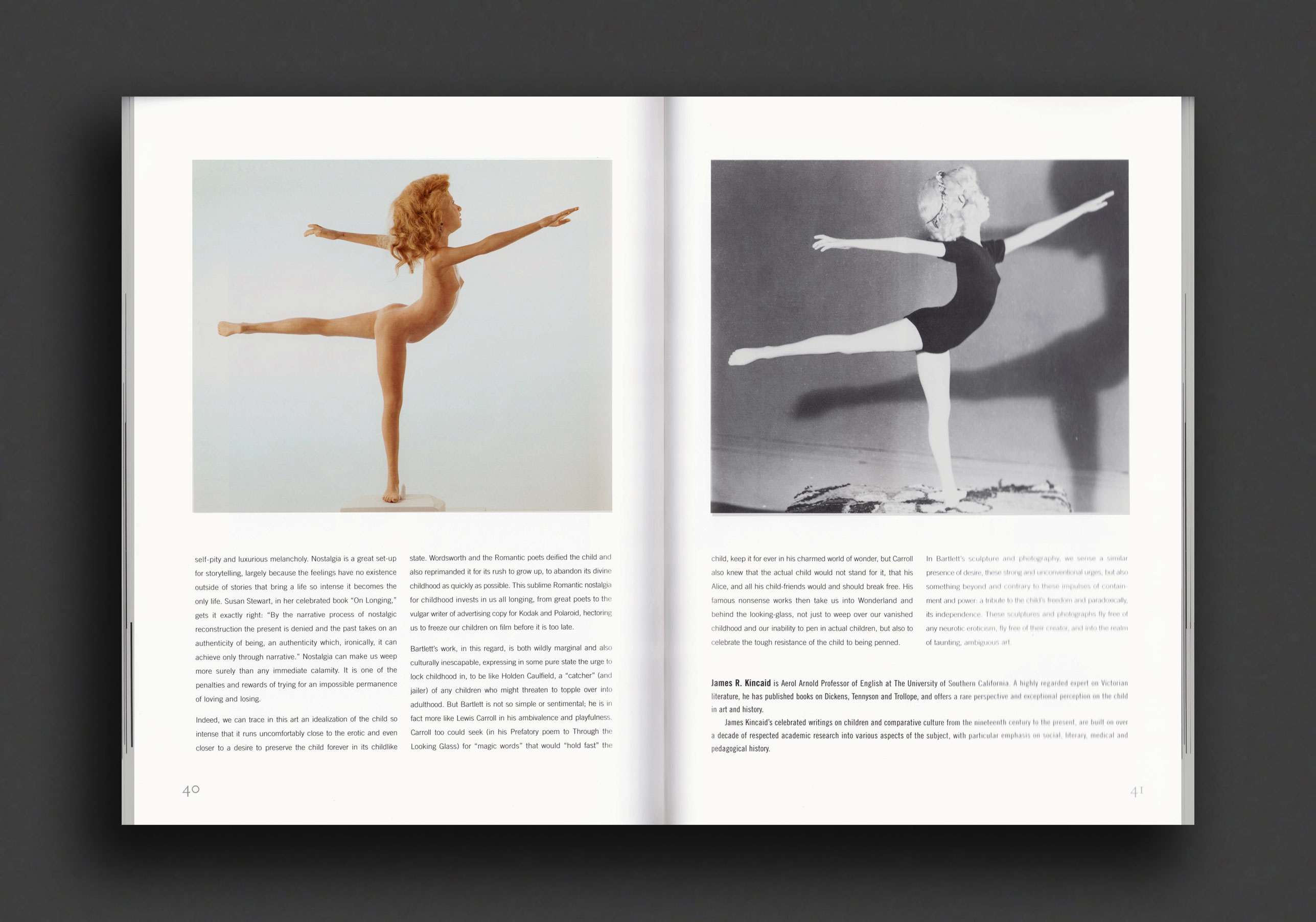
First softcover edition Marion Harris's 1994 monograph on Morton Bartlett. From the introduction: "the Bartlett collection of sculptures and photographs represents not only a considerable artistic discovery, but a singular expression of American genius. Half life-size to scale, the sculpted group of twelve teenage girls and three accompanying boys, (the latter recognizably self portraits), was created by Morton Bartlett, a reclusive Boston bachelor few knew. These sculptures were how he idealized an unattainable world that eluded him." Profusely illustrated with accompanying essays by Bill Hopkins, Graham Ovenden, Lee Kogan, James Kincaid, Gina Barreca, plus biography, selected bibliography & collection.
Fine copy.
2007, English
Softcover, 118 pages, 25.5 x 20.5 cm
1st Edition, Out of print title / used / fine
Published by
JRP Ringier / Zürich
$60.00 - In stock -
Text by David Bussel, Sven Lütticken, Beatrix Ruf, Jan Verwoert, Onno Ydema.
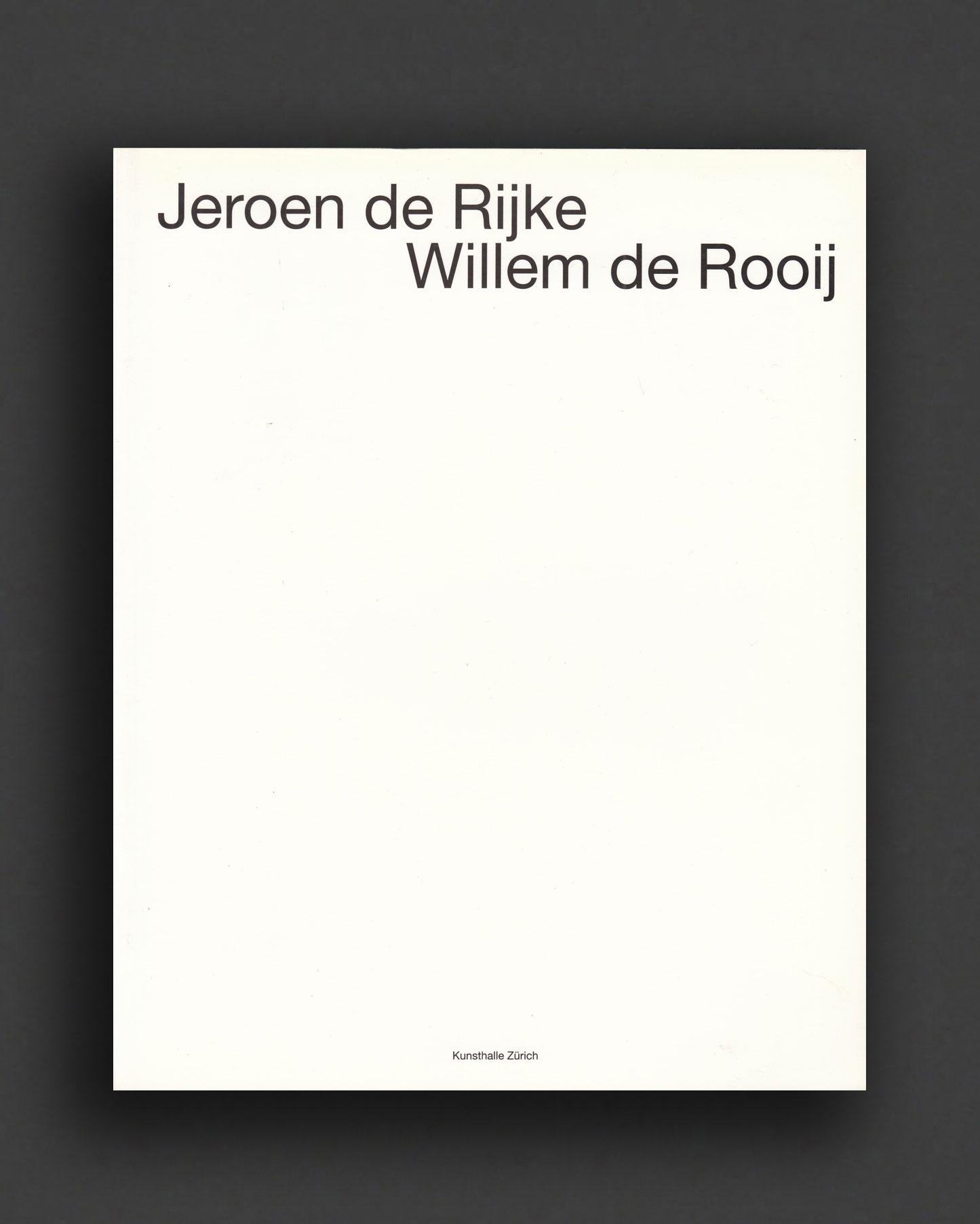
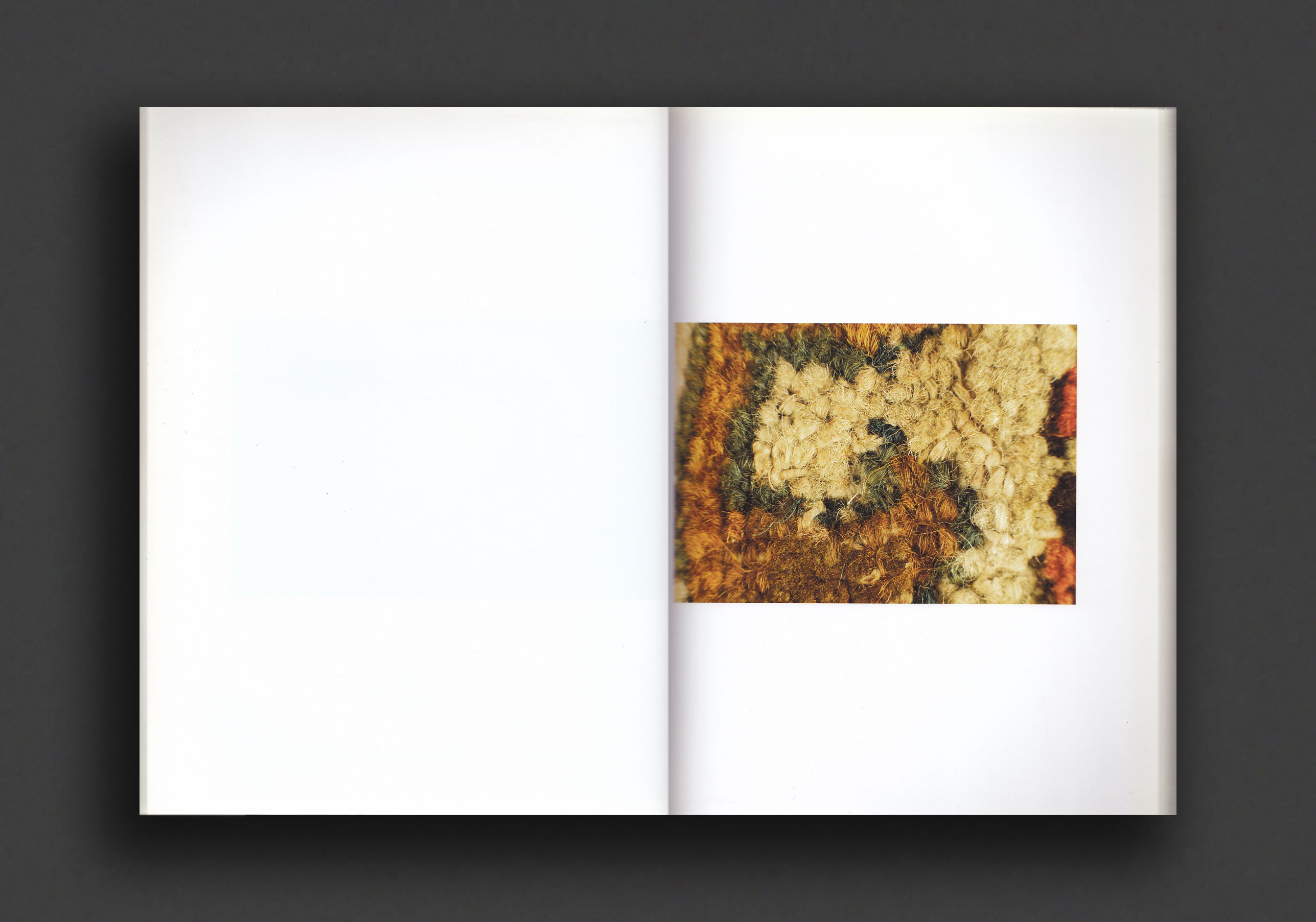
Jeroen de Rijke and Willem de Rooij, collaborators since 1994, had just represented the Netherlands at the 2005 Venice Biennale and opened their first New York solo show at Friedrich Petzel Gallery when de Rijke died traveling in Africa. This representative sampling of films, photographs and bouquets documents their time together.
Jeroen de Rijke (1970-2006) and Willem de Rooij (b. 1969) have worked together since 1994. Their work revolves around representation problems relating to artistic and media images, cultural-historical artefacts and socio-political forms. The two artists produce films and photographs, using the "beauty" of familiar compositional and formal principles and the tempting projection surface this provides for us. de Rijke/de Rooij's images are always disturbing because they usually concentrate on a single take, action or object; reduced image distillations intensify doubts over "the image", initiating a discourse about our culturally driven readings of phenomena, about how we use images and how they affect us.
De Rijke/de Rooij mingle images and composition principles from painting history, and also from cinema and video, with pictorial worlds from the commercial image industry, and formal-aesthetic elements of contemporary art. Their films are shot using professional film industry resources. They are not shown in the cinema, but exclusively in art venues. Here the artists insist on the best possible cinema setting, controlling the way their works are perceived down to the last pictorial, sound or installative detail. The exhibition space is treated like a sculpture, defined by the technical apparatus and the seating, a hybrid space somewhere between a cinema and an exhibition; it is present as a minimal sculpture, even when the film is not being shown. The artists also structure the audience's experience of time, choosing to avoid the endless loops generally used for exhibitions, with their associated arbitrary availability of the images / films for the public: performances take place at precisely stated times, or by request. But de Rijke/de Rooij are not interested in the cinema's traditional narrative forms: in fact they make the qualities of cinema and film available as moving image aggregates: experience of space and time, dialogues, sound, light, focus are "performers" in their own right and develop their own qualities in parallel. Often slowness is a key feature of their films. It reinforces something that is essential to an artist's work, which would not be possible without it: slowly revealing the ambivalence of an image, a scene, of something presented. So their films often start as an abstract or darkened image, which gradually turns out in the film's own time to be an object, a condition.
The hybrid manifestations of our present are central to the artists' content, transforming their abstract, beautiful works into socio-political pieces, as they convey culturally different identities and realities. As residents in a former colonial state, de Rijke / de Rooij experience the cultural adaptation phenomena and problems as powerful identity generators; as cosmopolitan citizens they experience them as a globalized theme for living together in an age of migration and hybridized cultural identity. Here de Rijke / de Rooij address what is one's "own" and what is "alien" as a refinement of the differences that demand more intensive attention to difference as such. Thus for example an early work called "Of Three Men" (1998) shows the interior of a neo-romanesque church in Amsterdam that is now used as a mosque. Picture details and camera angles are reminiscent of church interiors by the painter Pieter Saenredam. Elements of the action include changing light, a low-hanging chandelier circling slowly and rare movements by three men sitting on the floor. Or "Bantar Gebang" (2000): a single long-shot take in the transfigured pictorial manner of Pieter Breughel the Elder shows daybreak in a slum outside Jakarta; the image becomes increasingly dubious. The familiarity of the pictorial and compositional references - and the beauty of the compositions - are always over-determined in the artists' work and tip representation into critical presence: flowers, ideal love, the cinema, the central-perspective long shot, the numinous quality of a landscape/of nature, the representation of non-commensurate social realities come into conflict with the images of their representation.
Near FIne copy.
2006, Italian
Hardcover, 46 pages, 22 x 21.5 cm
Out of print title / used / fine
Published by
Corraini / Italy
$120.00 - In stock -
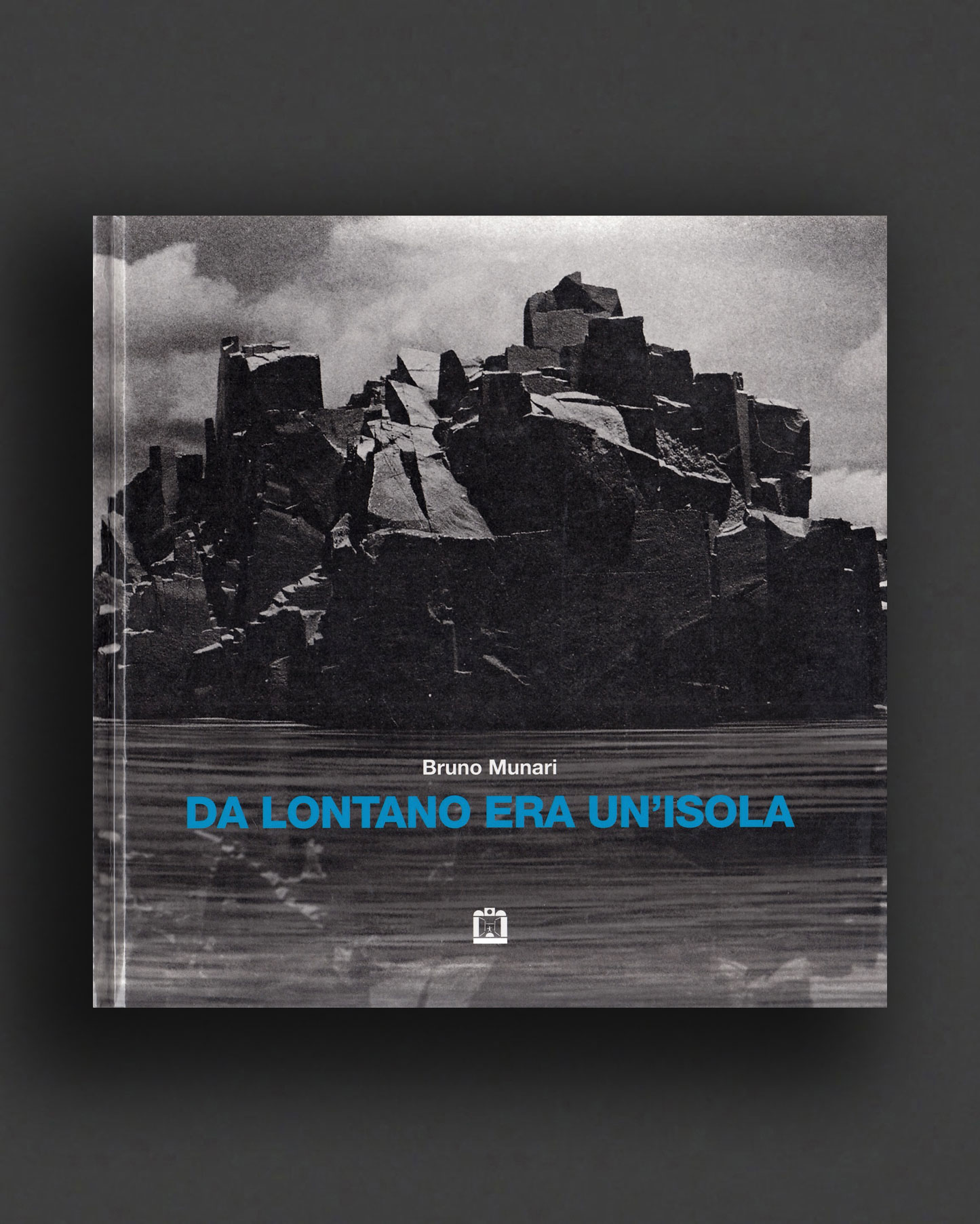
First published in Italy in 1971, this lovely hardcover second edition of Bruno Munari's Da lontano era un'isola was issued by Edizioni Corraini in original Italian, and is also now out-of-print and scarce.
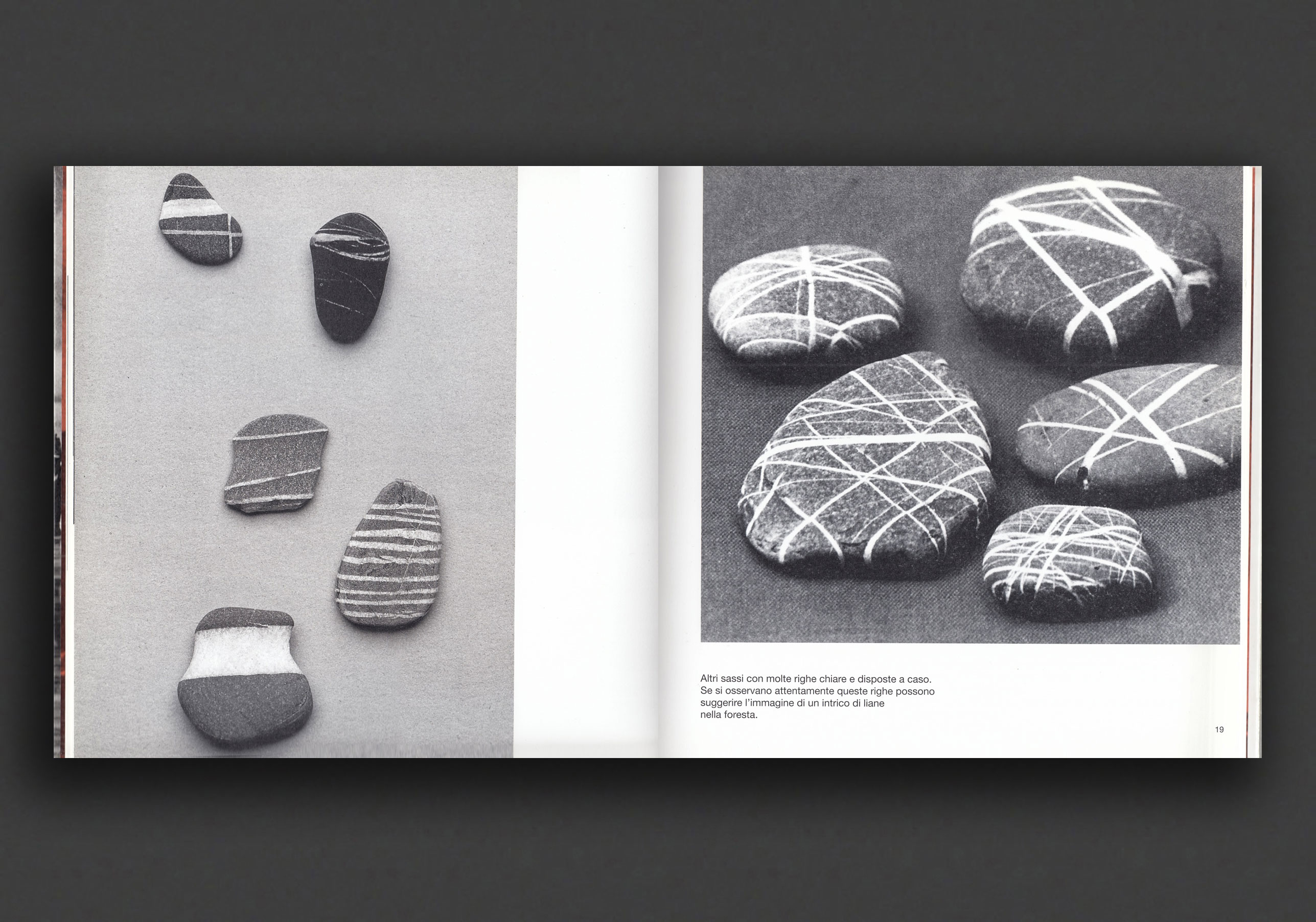
Page after page Bruno Munari shows us a world hidden in the stones, populated by characters drawn along the stone’s lines and veins.
While smiling at a monkey grabbed at the lianes-streaks we understand that the point of view can change a lot our perception of reality: a complex and philosophical theme tackled through a simple joke.
An important book to see less and watch a little bit more.
Bruno Munari was an Italian artist and designer, who contributed fundamentals in many fields of visual arts (paint, sculpture, film, industrial design, graphics) and non visual arts (literature, poetry, didactic) with the research on the game subject, infancy and creativity.
Near Fine copy.
1975, English
Softcover, 208 pages, 24 x 16 cm
1st Edition, Out of print title / used / good
Published by
New York Graphic Society / Boston
$25.00 - Out of stock
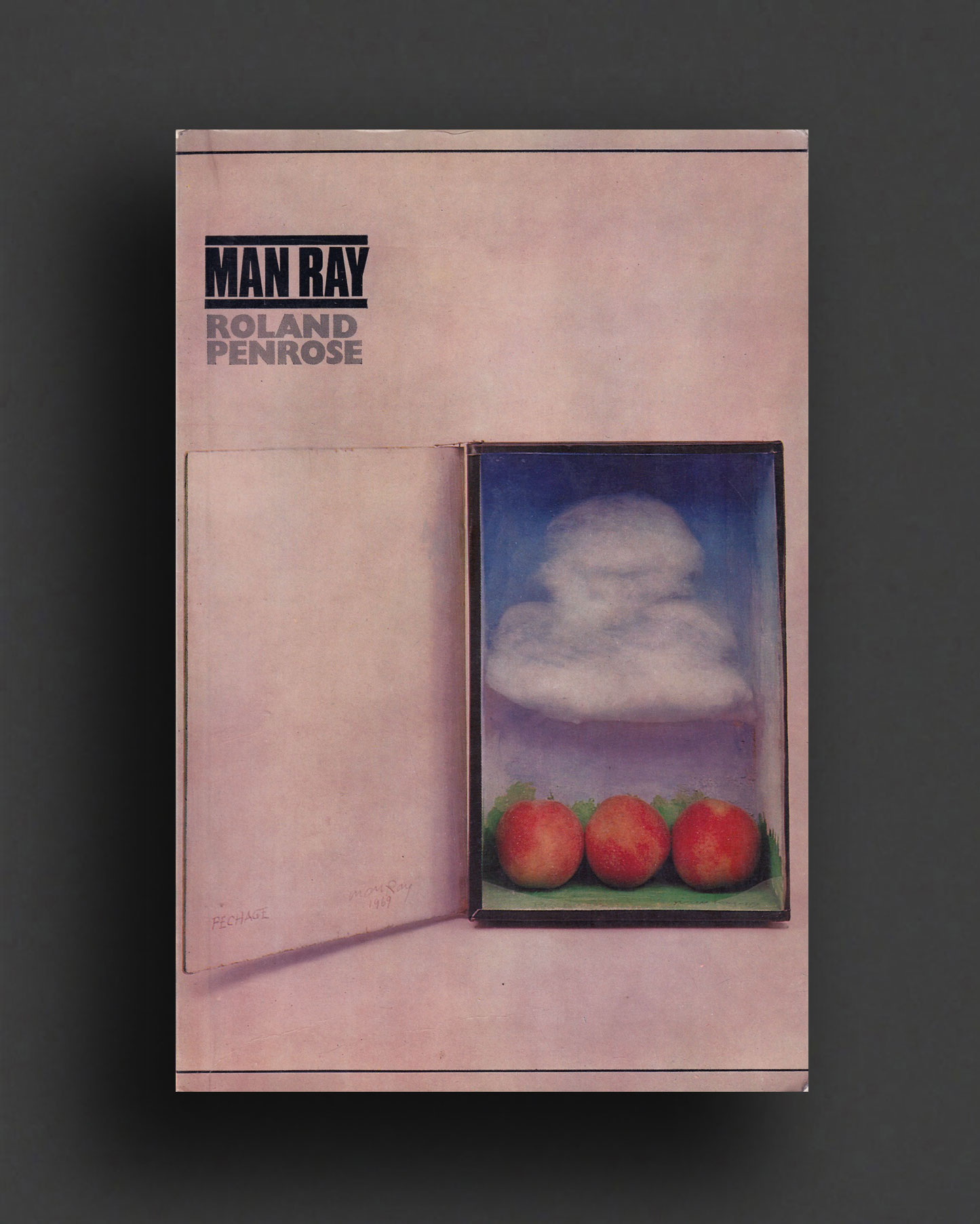
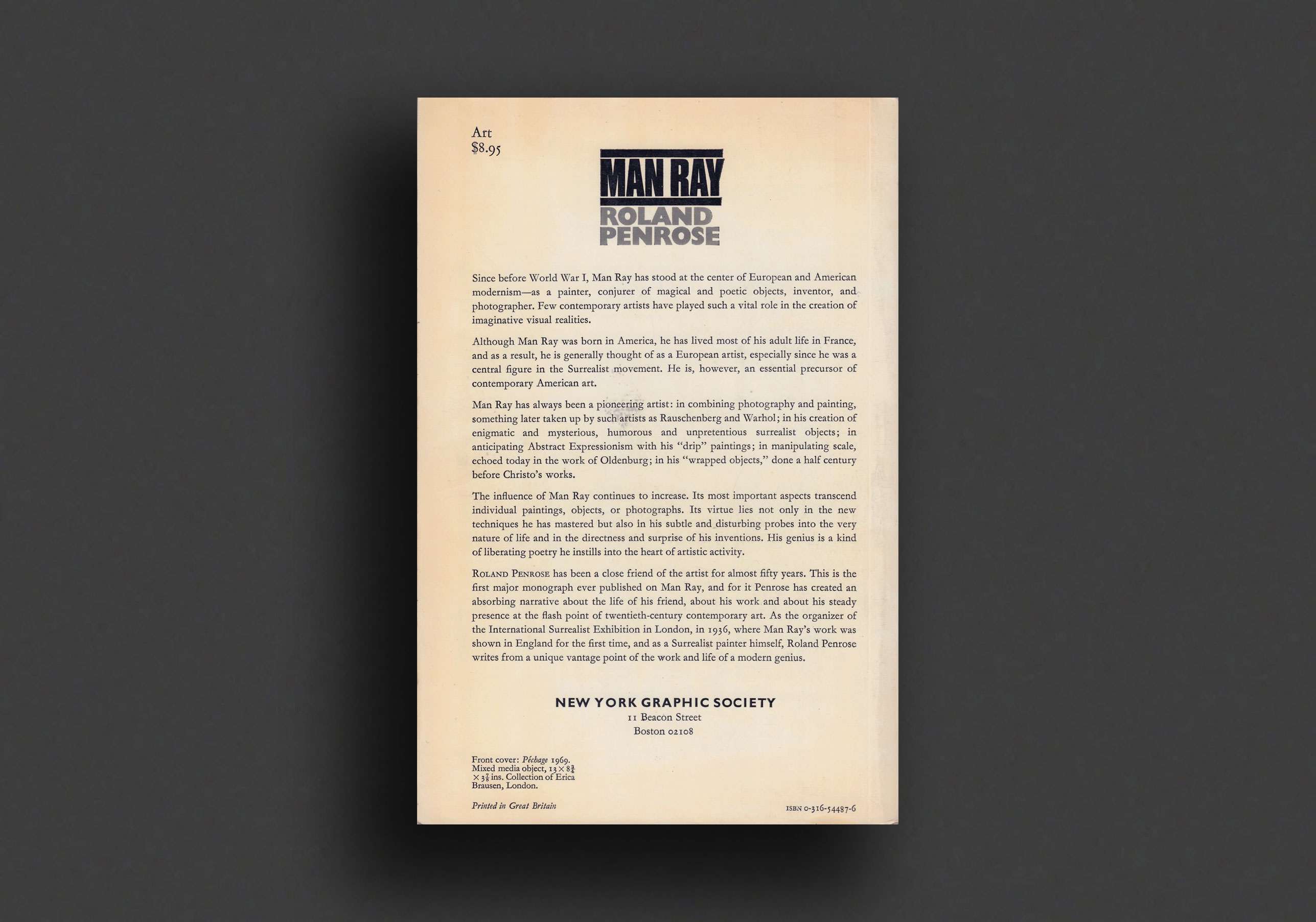
First major English-language monographic study on the brilliant Man Ray, by close friend Roland Penrose, published by the New York Graphic Society in Boston, 1975.
Since before World War I, Man Ray has stood at the center of European and American modernismas a painter, conjurer of magical and poetic objects, inventor, and photographer. Few contemporary artists have played such a vital role in the creation of imaginative visual realities.
Although Man Ray was born in America, he has lived most of his adult life in France, and as a result, he is generally thought of as a European artist, especially since he was a central figure in the Surrealist movement. He is, however, an essential precursor of contemporary American art.
Man Ray has always been a pioneering artist: in combining photography and painting, something later taken up by such artists as Rauschenberg and Warhol; in his creation of enigmatic and mysterious, humorous and unpretentious surrealist objects; in anticipating Abstract Expressionism with his "drip" paintings; in manipulating scale, echoed today in the work of Oldenburg; in his "wrapped objects," done a half century before Christo's works.
The influence of Man Ray continues to increase. Its most important aspects transcend individual paintings, objects, or photographs. Its virtue lies not only in the new techniques he has mastered but also in his subtle and disturbing probes into the very nature of life and in the directness and surprise of his inventions. His genius is a kind of liberating poetry he instills into the heart of artistic activity.
Roland Penrose has been a close friend of the artist for almost fifty years. This is the first major monograph ever published on Man Ray, and for it Penrose has created an absorbing narrative about the life of his friend, about his work and about his steady presence at the flash point of twentieth-century contemporary art. As the organizer of the International Surrealist Exhibition in London, in 1936, where Man Ray's work was shown in England for the first time, and as a Surrealist painter himself, Roland Penrose writes from a unique vantage point of the work and life of a modern genius.
Good—VG copy, with general light wear/toning/marking with age.
1958, German
Hardcover (w. dust jacket), 128 pages, 30 x 21.5 cm
1st Edition, Out of print title / used / very good
Published by
Verlag Karl Ulrich / Nuremberg
$45.00 - Out of stock
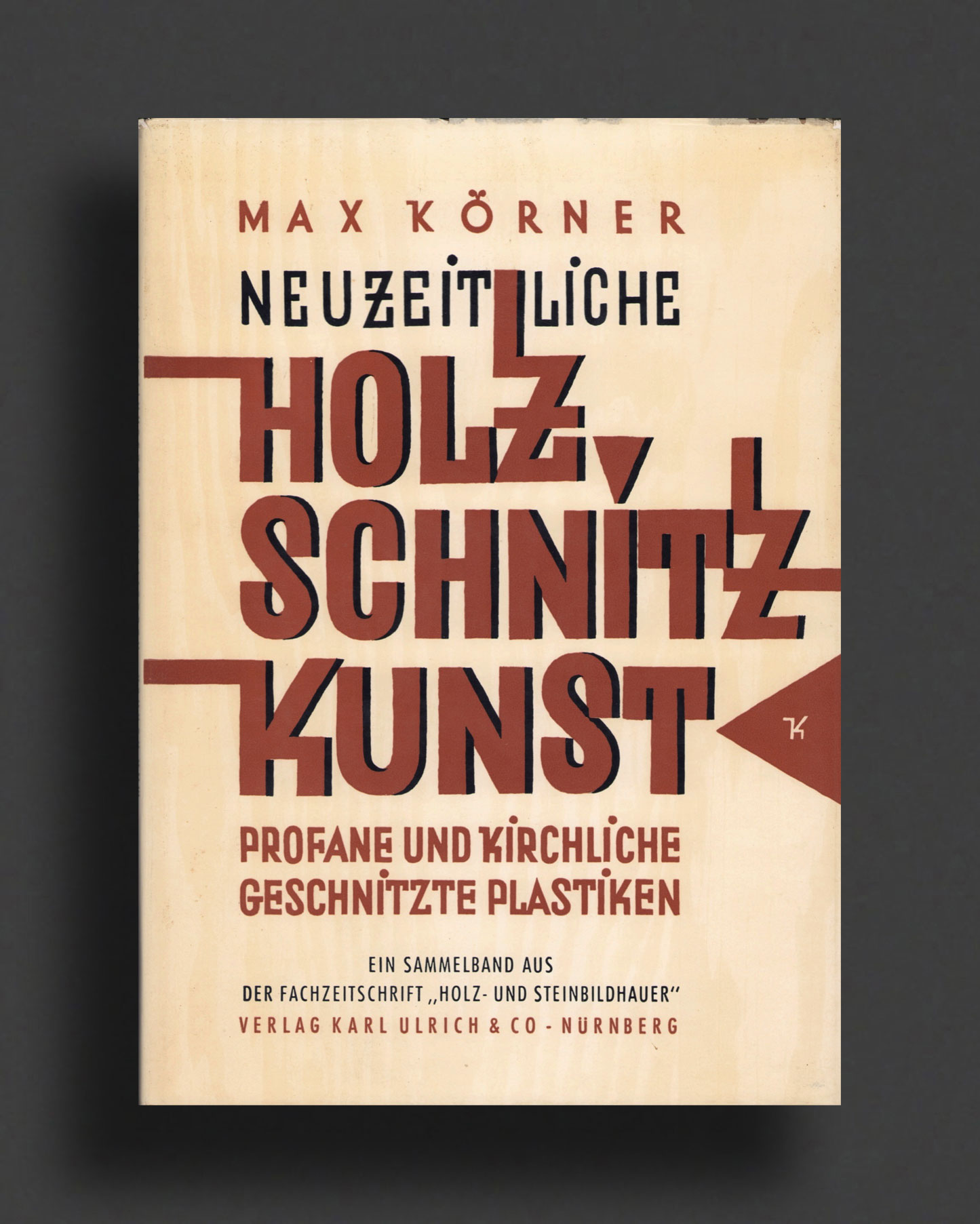
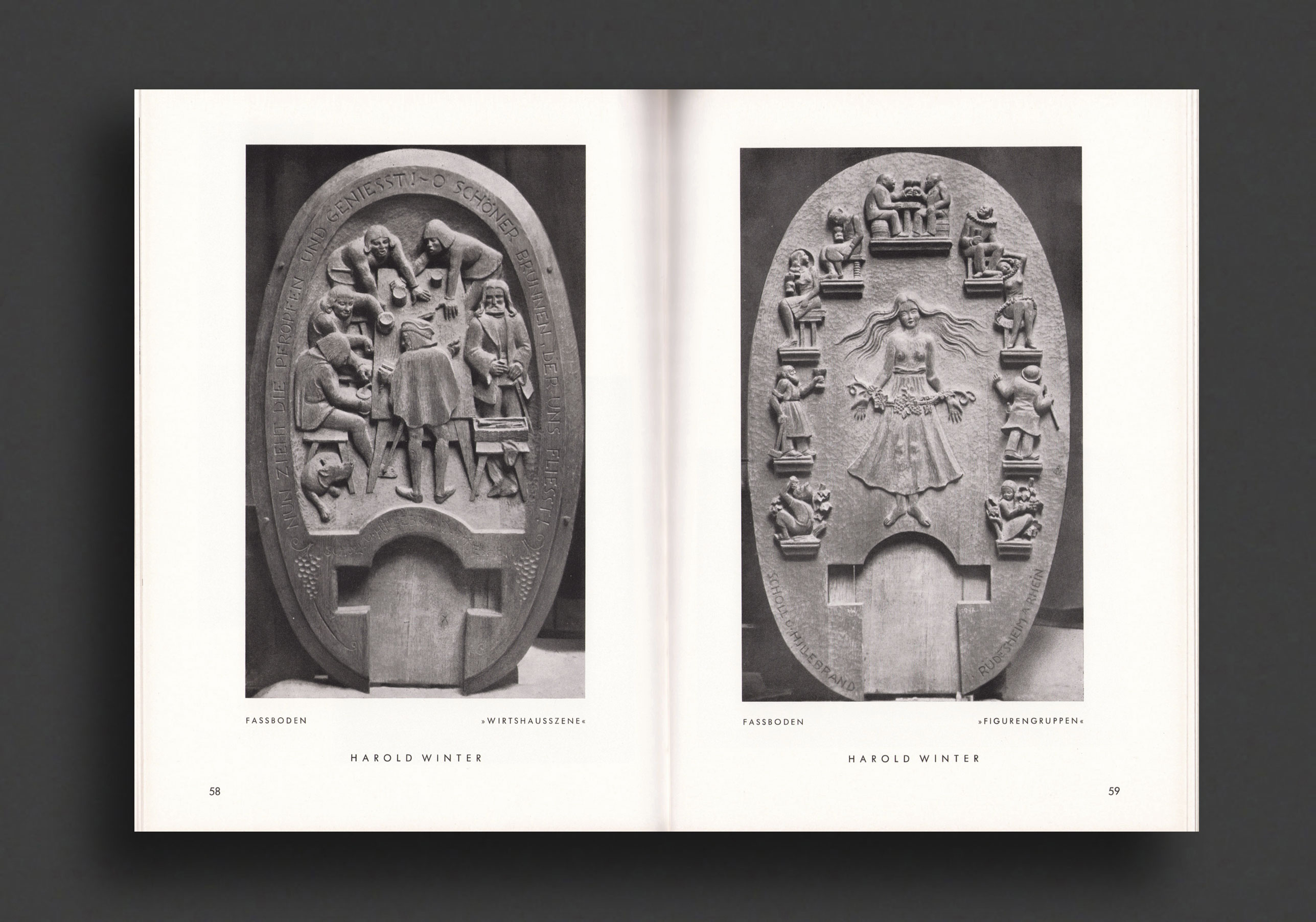
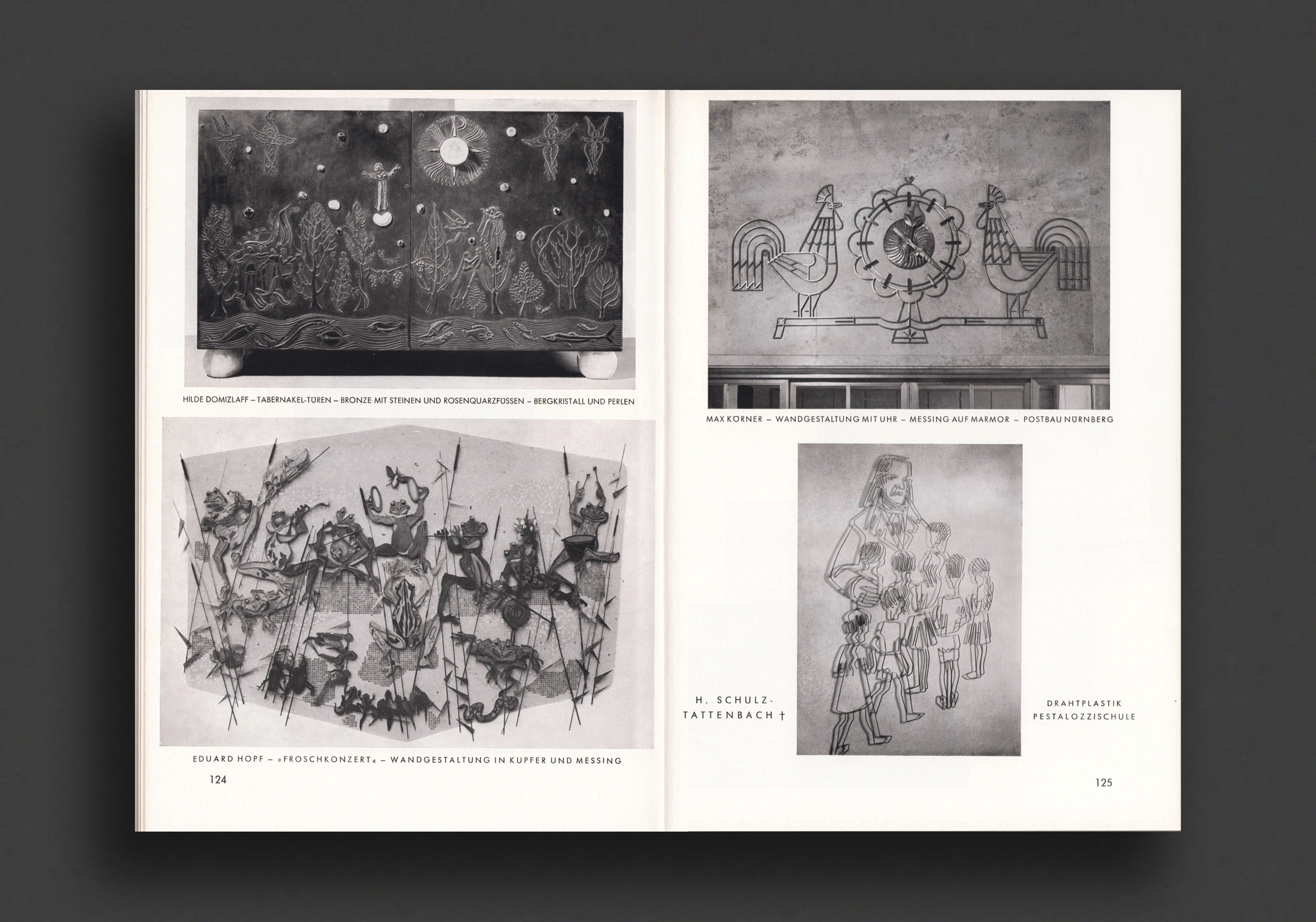
Published c. 1958 by Verlag Karl Ulrich in Nuremberg and edited by prolific and versatile German graphic artist and artist-craftsman professor Max Körner (1887-1963), Neuzeitliche Holzschnitzkunst surveys Modern Woodcarving with beautiful monochrome photographs of 250 works by 60 sculptors from throughout the 1950s, as featured in the pages of the German magazine 'Der Holz und Steinbildhauer' / 'The Wood and Stone Sculptor', such as immense wall reliefs, marionettes, furniture, children's toys, religious iconography, tableware, tombs, and much more. Gorgeous book of mid-century European modern craftsmanship.
Very Good copy in VG dust jacket (DJ has some small insect damages and edge wear, now protected in mylar wrap). Light wear/toning.
1958, German
Hardcover (w. dust jacket), 130 pages, 30 x 21.5 cm
1st Edition, Out of print title / used / good
Published by
Verlag Karl Ulrich / Nuremberg
$45.00 - Out of stock
Published c. 1958 by Verlag Karl Ulrich in Nuremberg and edited by prolific and versatile German graphic artist and artist-craftsman, professor Max Körner (1887-1963), Neue Steinplastik, Bronzen und Terrakotten, Metallgestaltung surveys Modern sculpture in stone, metal, bronze, terracotta with beautiful monochrome photographs of 230 works by 71 sculptors from throughout the 1950s, as featured in the pages of the German magazine 'Der Holz und Steinbildhauer' / 'The Wood and Stone Sculptor', such as abstract sculpture, immense wall reliefs, busts, tombs, interior architecture, fountains, religious iconography, and much more. Gorgeous book of mid-century European modern craftsmanship.
Good copy in Good-VG dust jacket (DJ has some wear and minor chipping to spine ends, now protected in mylar wrap). Light wear/toning/foxing/light rippling throughout.
2011, Japanese / Czech
Softcover (w. dust jacket), 180 pages, 23 x 21 cm
1st Edition, Out of print title / used / fine
Published by
Access / Japan
$90.00 - In stock -
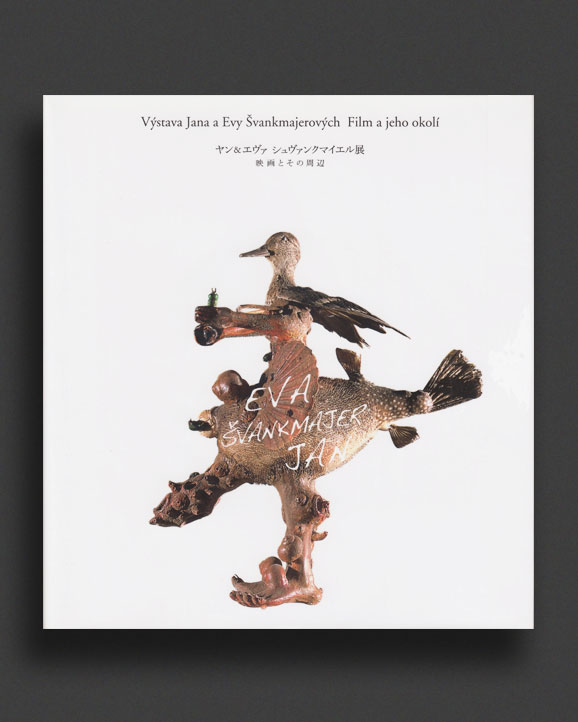
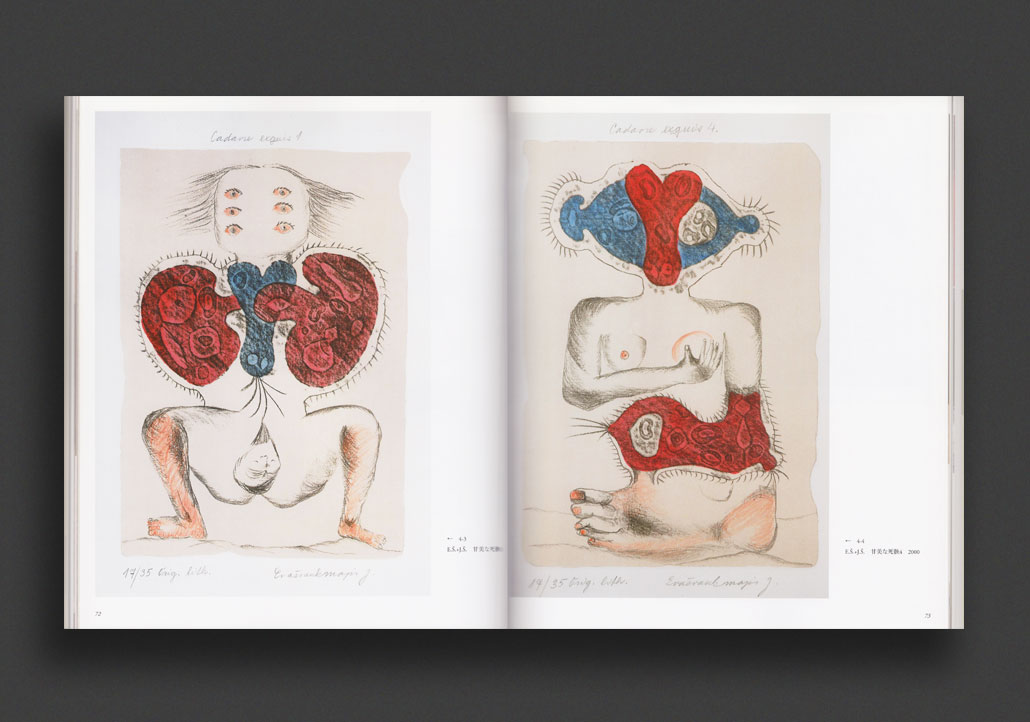
Scarce exhibition catalogue surveying the work of Czech Surrealist artists Jan and Eva Švankmajer, published to accompany a major retrospective in Japan in 2011. Eva Švankmajerová (1940 – 2005, b. Eva Dvořáková in Kostelec nad Černými lesy), was a renowned painter, ceramicist, and writer active in the Czech and Slovak Surrealist Group who's poetry and prose regularly appeared in the journal Analogon. Švankmajerová was married to the Surrealist filmmaker Jan Švankmajer (b. Prague, 1934) and collaborated on many of his award-winning animated masterpieces, including Alice (1988), Faust (1994), Conspirators of Pleasure (1996) and Otesánek (2000). Lavishly illustrated throughout, this catalogue includes chapters on Jan and Eva Švankmajer's independent and collaborative works, spanning painting, objects, collage, ceramics, poetry, graphics, and their highly acclaimed animated film works. Also includes Jan Švankmajer's collaboration with Japanese photographer Eikoh Hosoe. Includes detailed history, list of works and accompanying texts, alongside production insights and studio photography.
As New copy.
2000, English
Bagged set of 19 booklets, softcover (staple-bound), 4-56 pages each, 21 x 15 cm
1st Edition, Out of print title / as new
Published by
Den Frie Udstillings Bygning Oslo Plods / Denmark
$150.00 - In stock -
FLOOR BAG, bagged complete set of 18 artist booklets/catalogues published as part of FLOOR SHOW, an Australian / Danish exhibition curated and organized by John Nixon & Ivor Tønsberg, May 13th — June 4th 2000, with Den Frie Udstillings Bygning Oslo Plods, Denmark. Each booklet is edited exclusively by the represented artist. This bagged set includes all 18 booklets, plus additional cover-hand-stamped text booklet, including exhibition text by Nixon and Tønsberg, along with biographies of all artists involved. All artists included : Stephen Bram, Tine Borg, Vicente Butron, A.D.S. Donaldson, Jørgen Fog, Leonard Forslund, Marco Fusinato, Signe Guttormsen, Kent Hansen, Peter Holm, Henrik Jørgensen, Torben Kapper, Stephen Little, Anne-Marie May, John Nixon, Rose Nolan, Ivar Tønsberg, Gary Wilson.
Only one copy available.
About Floor Show
It must have been a great show; the one Vincent van Gogh and Paul Gaugin had in the first version of The Fri in 1893. The style of that house and the style of their paintings must have suited each other just right. And that's the problem nowadays -when you are exhibiting in The Fri, you are dealing with spatial conditions that - even though the present house is a later version than the one Van Gogh and Gaugin used - are related not to our time but to the late 19th century. Those were the days of golden frames and lots of different pictures hanging close to one another. It was long before pop, minimalism and conceptual art, and it didn't matter whether the paintings were hung directly on nails or in strings from the ceiling, as they do in The Fri, which is one charismatic exhibition building in the city of Copenhagen, but unfortunately also a most impossible one.
In a strictly formal manner Floor Show is, so to speak, tailor made for The Fri. The majority of the artists included in the exhibition are painters, but - due to the spatial circumstances of the exhibition house - the organizers gave them the task to exhibit only on the floor in The Fri. The walls were not to be used, and the relatively few works (approximately one per Artist) were to be shown in a manner not too close to the installation genre.
What you might extract from Floor Show is, when working with painting you can't take the wall for granted as the only site for display. On the floor the works of the contributing artists explores a range of different media indicating the diversity of their practice and its relation to painting.
With Floor Show, the artists have radicalised the space and the organisers intentions have been realized.
— John Nixon & Ivor Tonsberg
1997, English
Softcover (staple-bound + invitation card), 16 pages. 30 x 23 cm
1st Edition, Out of print title / used / good
Published by
NGA / Canberra
ACCA / Melbourne
$35.00 - In stock -
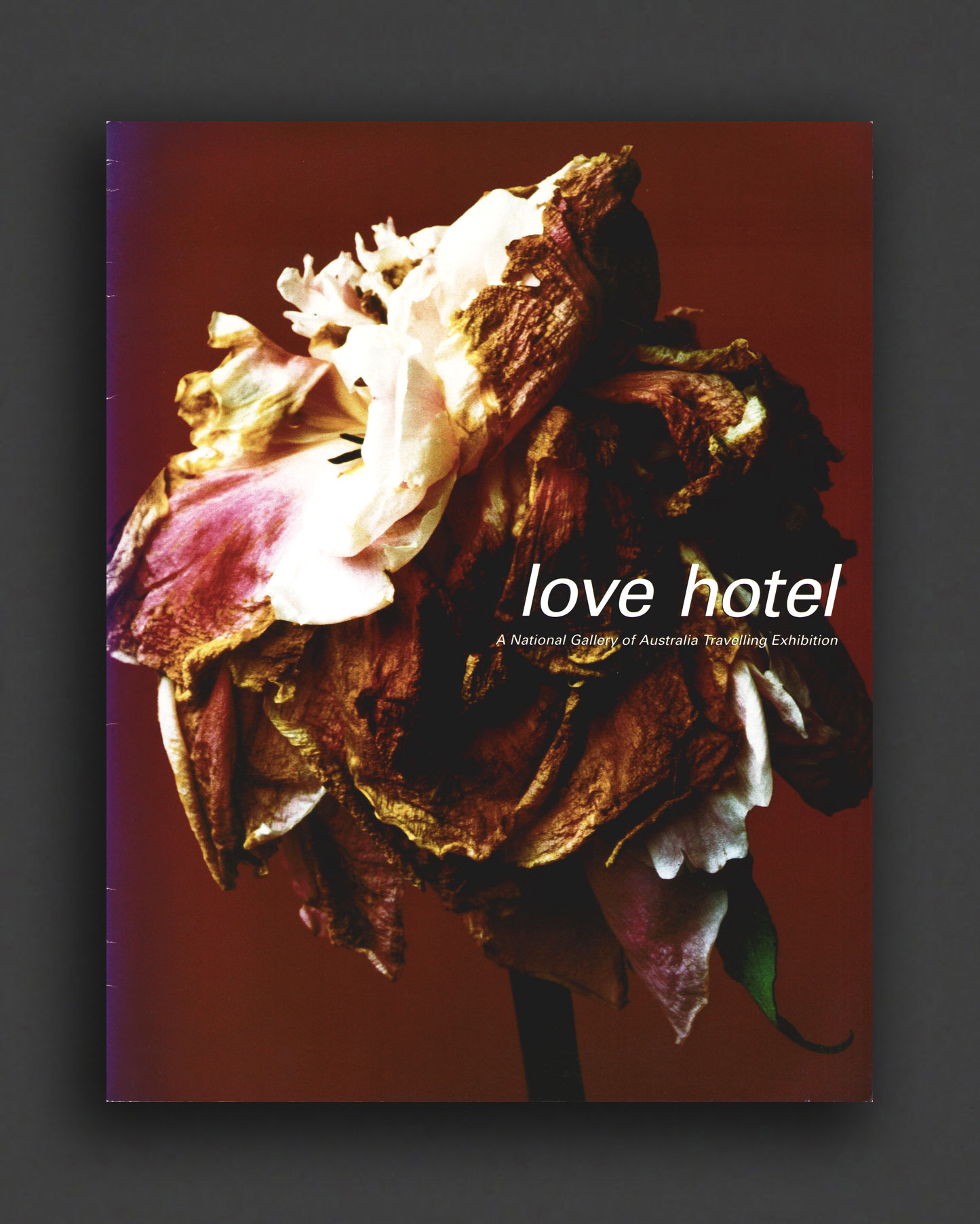
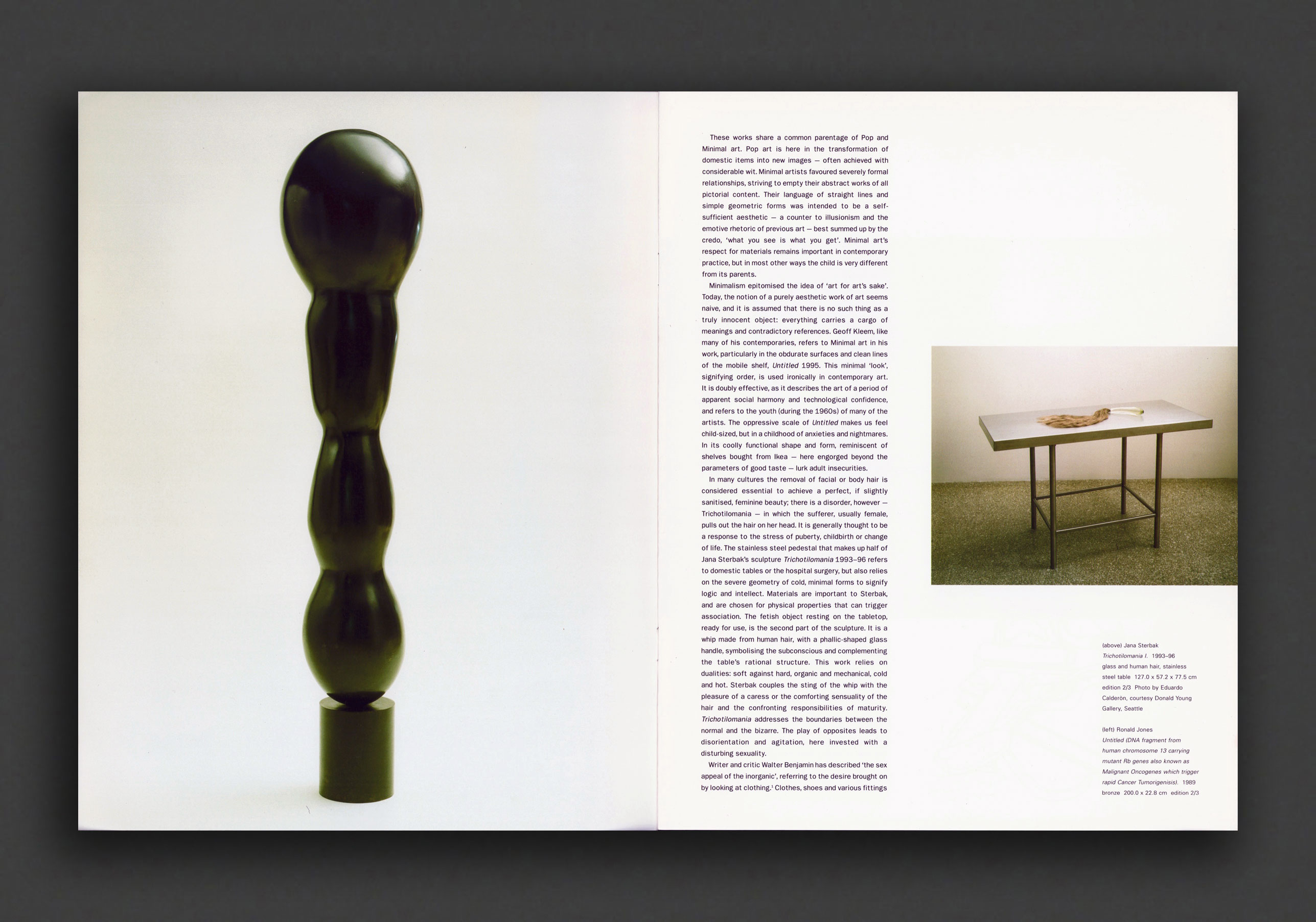
Catalogue published on the occasion of Love Hotel, a National Gallery of Australia Travelling Exhibition guest curated by Michael Desmond, travelling across five Australian and New Zealand venues throughout 1997-1998, including ACCA on Dallas Brooks Drive. This exhibition, taking its title from the Japanese architectural sex industry phenomenon, included works by Australian and international artists that "comprised self-contained sculptural objects that were neither at home in the museum or the outside world. They seem to exist in a curious hyper-state, in which objects are patently fictions, but somehow more real than real." Illustrated in colour throughout with accompanying texts.
Exhibiting Artists: Nobuyoshi Araki, Richard Artschwager, Aziz+Cucher, Michel Craig-Martin, Peter Cripps, Cheryl Donegan, Bob Flanagan, Mike Kelley and Sheree Rose, Sylvie Fleury, Nan Goldin, Ann Hamilton, Ronald Jones, Jannis Kounellis, Jana Sterbeck, Rosemarie Trockel, Robert Wilson.
"There is an undefined sense of loss at the heart of our existence, which we romanticise. Post-industrial, postcolonial, post-feminist, post-modern — if we measure every thing in terms of 'what was', by definition we seem to be at the end of a historical moment. In our fin de siécle mood we see the metaphorical cup as half empty, rather than half full. The past seems to loom larger than the present, and we are nostalgic for the sureties of our recent golden age. Paradise is lost. In the art in this exhibition nature is replaced by technology, the State is increasingly in control, money is all-important and image is everything — or so it seems. The objects present themselves as neutral and deadpan, but we sense their perversity as much as their realism. Below the skin a powerful vitality surges, indicating an essential humanity. In Love Hotel each work houses something of the artist and the culture that created it. We imbue all around us with our passions."—Michael Desmond
Very Good copy with invitation card enclosed (featuring Jannis Kounellis artwork). Spine edge sunned with some light pinching.
1996, English
Softcover, 36 pages, 28 x 21.5 cm
1st Edition, Out of print title / used / very good
Published by
Asialink Centre of the University of Melbourne / Carlton
$25.00 - In stock -
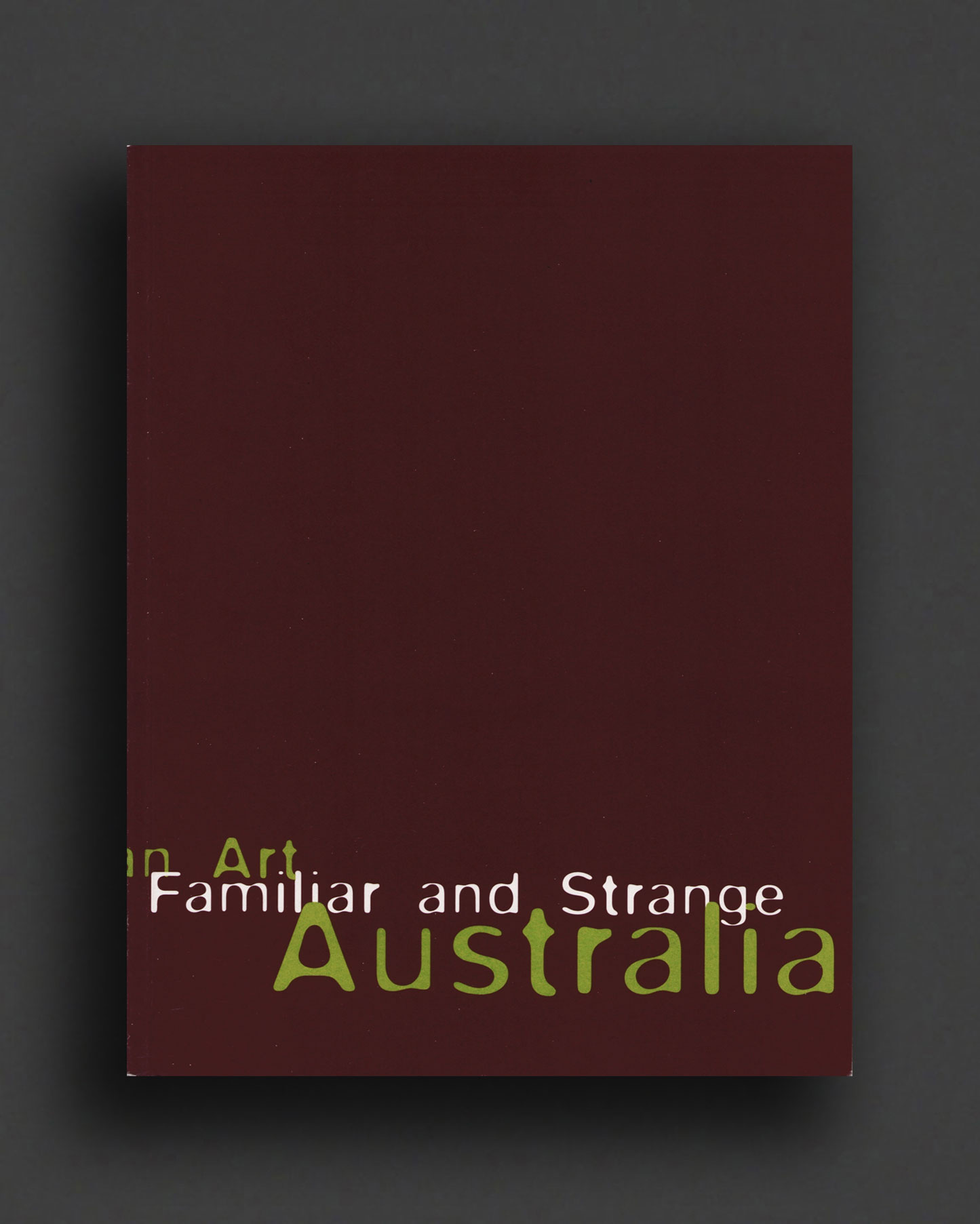
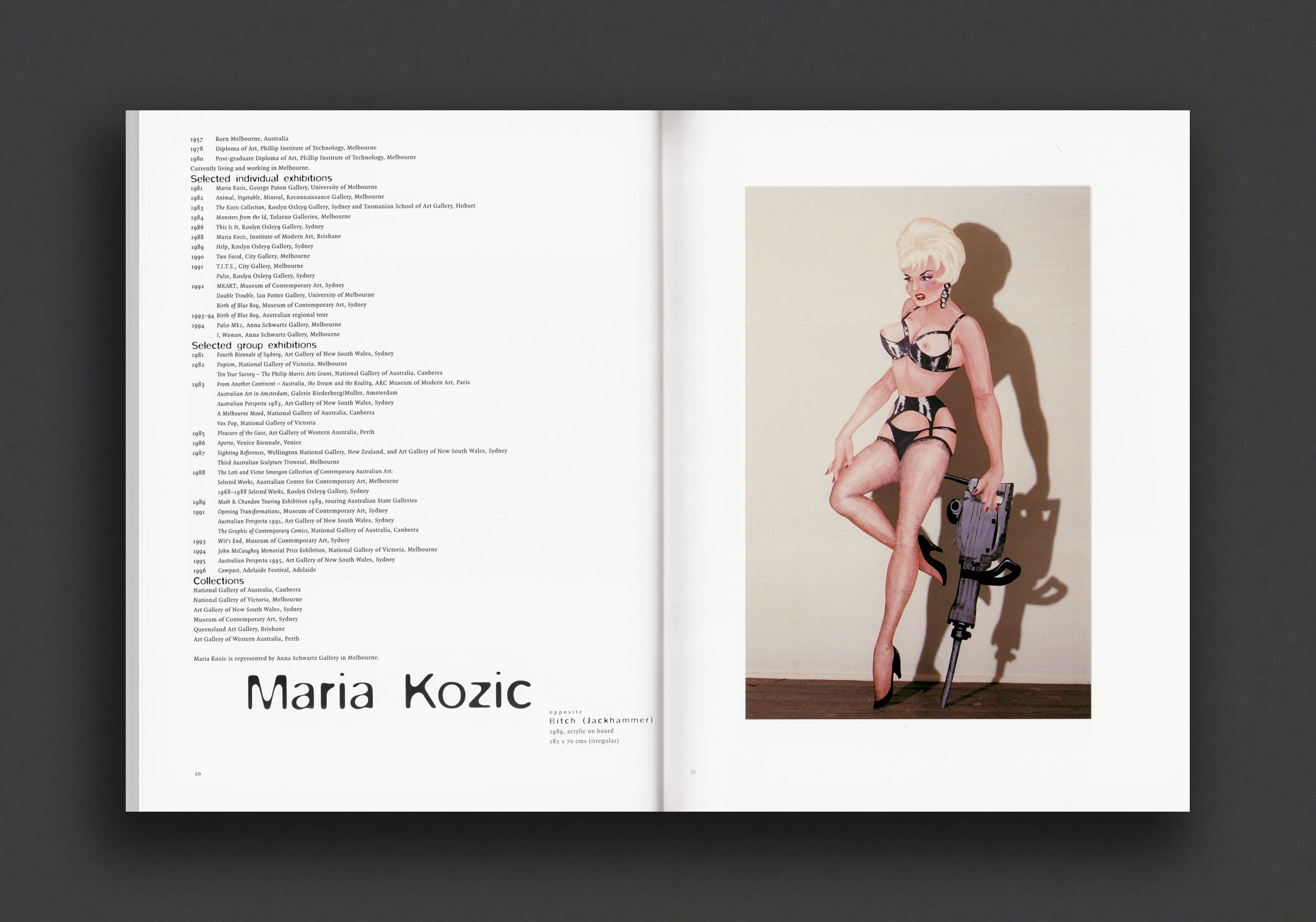
Scarce catalogue published on the occasion of the exhibition Australia: Familiar and Strange, curated by Timothy Morrell for the Seoul Arts Center in 1996, published by Asialink Centre of the University of Melbourne, Carlton. The exhibition and catalogue include the work of Howard Arkley, Eugene Carchesio, Dale Frank, Tim Johnson, Maria Kozic, John Nelson, Madonna Staunton, Kathy Temin, Judy Watson, Judith Wright, illustrated with colour plates accompanied by texts and biographies.
Very Good copy.
2014, English
Hardcover (w. dust jacket), 216 pages, 31 x 25 cm
1st Edition, Out of print title / as new
Published by
Arnoldsche / Stuttgart
$290.00 $150.00 - In stock -
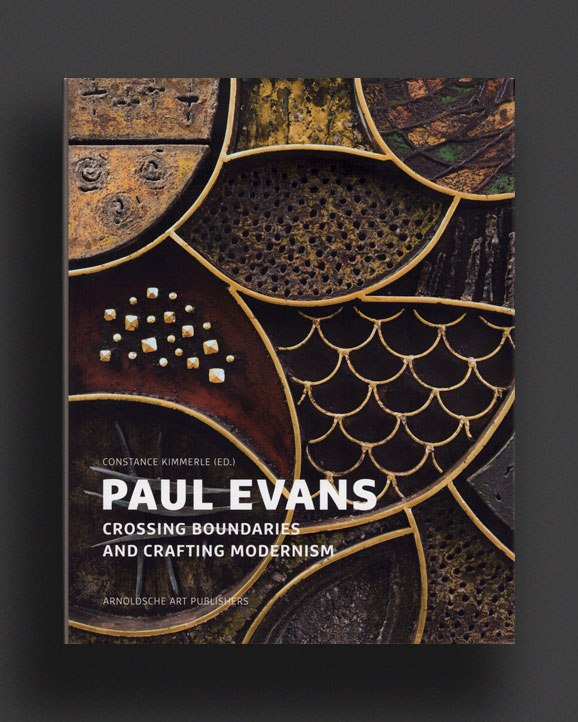
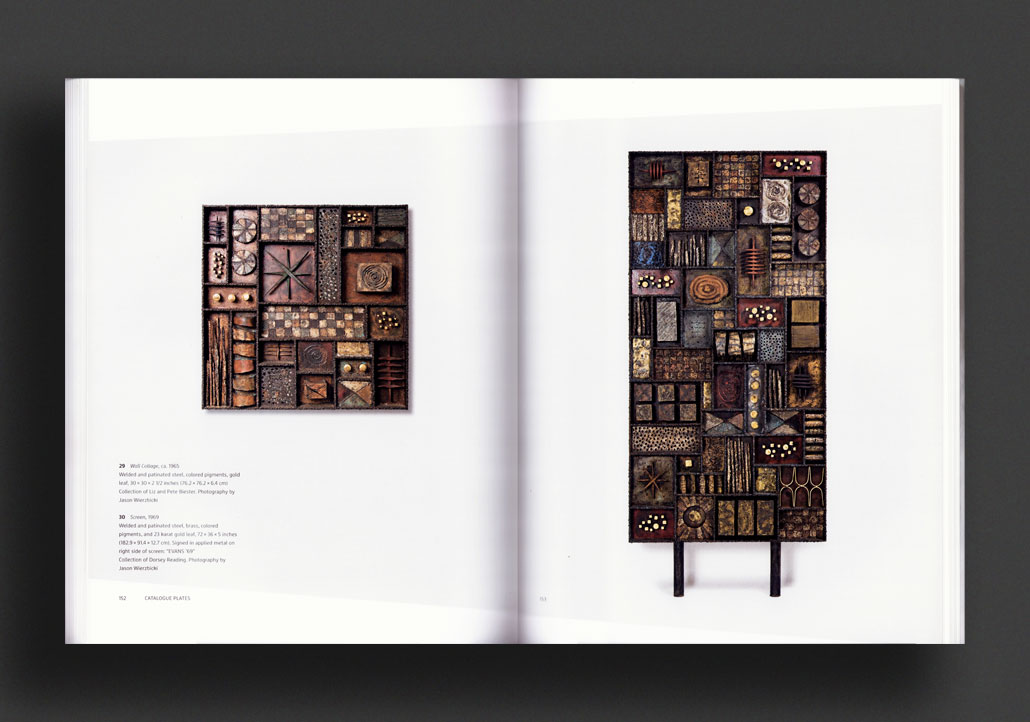
Published in 2014 and quickly out-of-print, Paul Evans: Crossing Boundaries and Crafting Modernism is the first comprehensive monograph published by Arnoldsche in Stuttgart on the occasion of the first comprehensive survey of American artist Paul Evans’s work held at the Cranbrook Museum, documenting Evans’s role in the midcentury American studio furniture movement, his approach to furniture as sculpture and abstract composition, and his unremitting new approaches to metal.
Creating furniture as sculpture, defined by abstract composition, designer-craftsman Paul Evans (1931—1987) consistently pushed boundaries with his innovative approaches to metal work and furniture-making, his designs revealing the fascinating juxtaposition of sculpture and design. Constantly experimenting with traditional and synthetic materials while also borrowing techniques from industrial manufacturing, Evans and his shop workers invested their furniture with an expressiveness that is quite distinctive in the realms of traditional craft and design.
Constance Kimmerle has been Curator of Collections at the James A. Michener Art Museum since 2001, where she has curated exhibitions on the work of impressionist Edward W. Redfield (2004) and modernist artist Elsie Driggs (2007).
1971, Italian / English
Softcover, 116 pages, 32.5 x 24 cm
1st Edition, Out of print title / used / good
Published by
Editoriale Domus / Milan
$55.00 - Out of stock
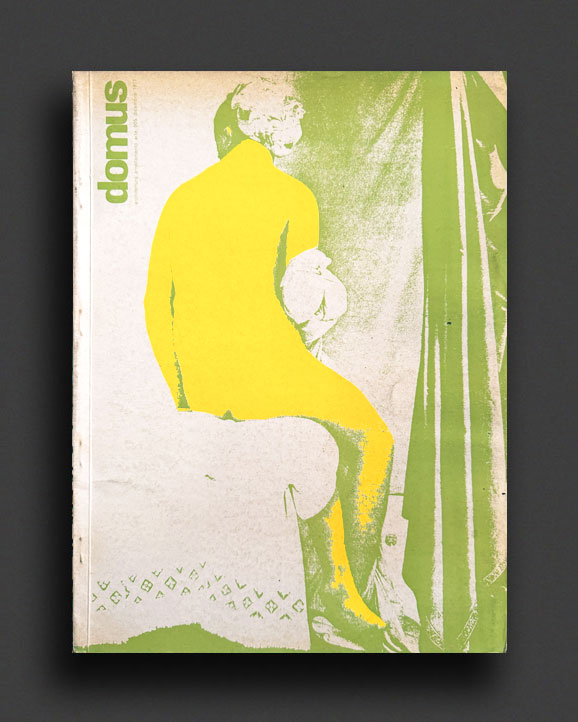
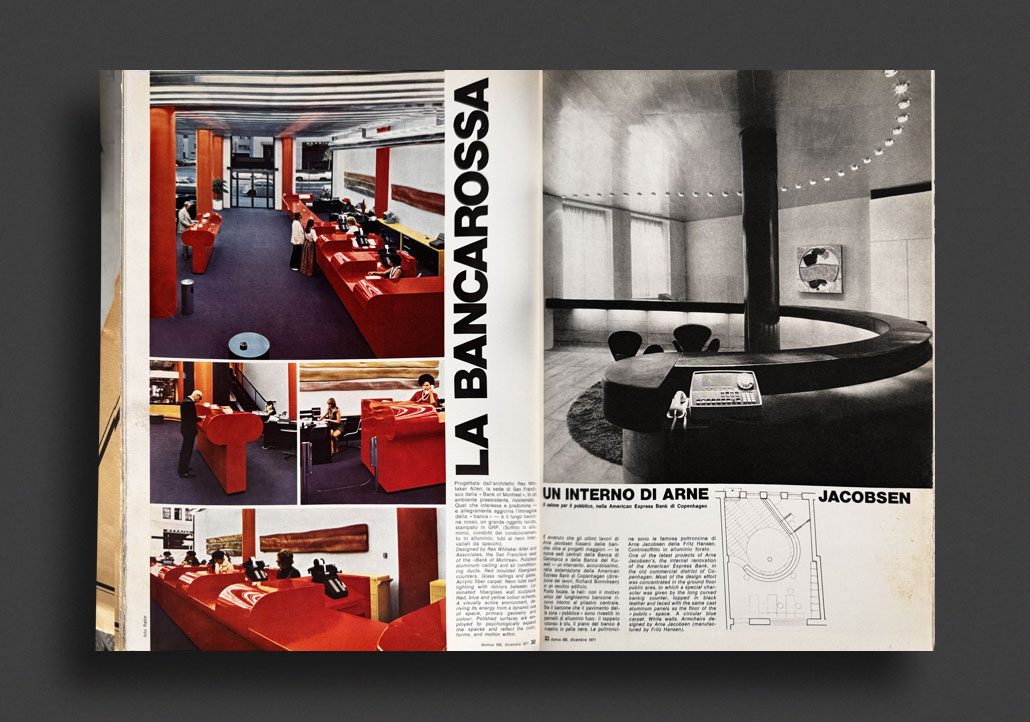
Founded in 1928 as a “living diary” by the great Milanese architect and designer Gio Ponti, domus has been hailed as the world’s most influential architecture and design journal, distributed in 89 countries. With exuberant style and rigor, it offered energetic up-to-date coverage and analysis of major themes, developments and stylistic movements in product, structure, interior, and industrial design. Called the "Mediterranean Megaphone," domus has always been considered the most concrete published expression of Italian style, documenting generations of radical, practical, and beautiful production, both local and across the world. Amongst a seemingly endless archive of contributions and features, domus frequently covered the works of the protagonists of the Anti and Radical Design movements, modern architecture, new experiments in environmental/spatial/commercial design, international product design, the activities of the Arte Povera, Pop art, Minimal Art and Nouveau Réalisme movements, and much more.
No. 505 Dicembre 1971
Editor : Gio Ponti
Editorial committee and contributors include : Cesare Casati, Pierre Restany, Agnoldomenico Pica, Pierre Restany, Carmela Haerdtl, Joseph Rykwert, Ettore Sottsass jr., Charles and Ray Eames, Kho Liang je, Bernard Rudofsky, George Nelson, Fausto Melotti, Tommaso Trini, Tapio Wirkkalaand, Rut Bryk, Hans Hollein, and more.
features :
architectural projects by Vittorio Gregotti, Valentino Parmini, Franco Paulis; Lorenzino Cremonini; Angelo Mangiarotti; Alberto Salvati, Ambrogio Tresoldi; Ugo de Pietra; Claudio Dini, Valerio Di Battista; Cini Boeri for Gavina; design objects bby Richard Sapper; Tom Ahlström, Hans Enrich; interiors by Arne Jacobsen; Shiro Kuramata; Gérard-Roger Ifert, Rudolf Meyer; furniture by Angelo Mangiorotti; Kho Liang Ie; Cini Boeri; Joseph Beuys; book reviews; and much more.
Beautifully printed in Italy and heavily illustrated throughout with vivid colour and black and white photography across multiple paper stocks, page crops and fold-out spreads.
Good copy with edge wear and foxing/page edge damages from age.
1970, Italian / English
Softcover, 116 pages, 32.5 x 24 cm
1st Edition, Out of print title / used / good
Published by
Editoriale Domus / Milan
$60.00 - Out of stock
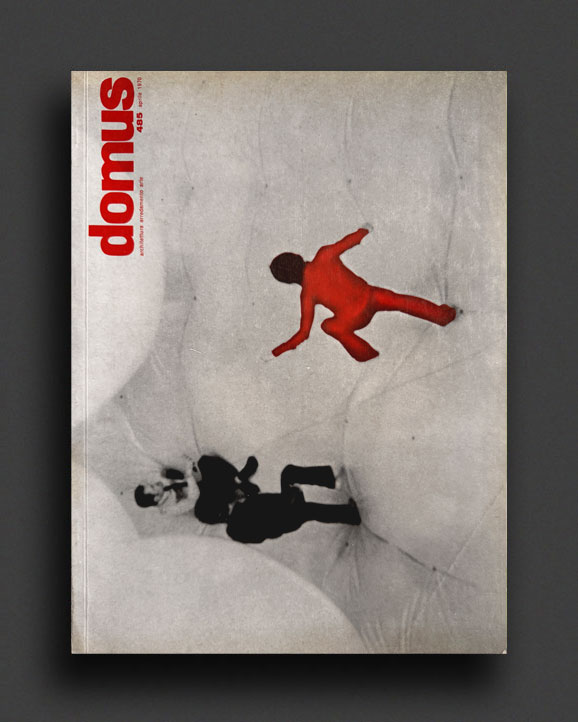
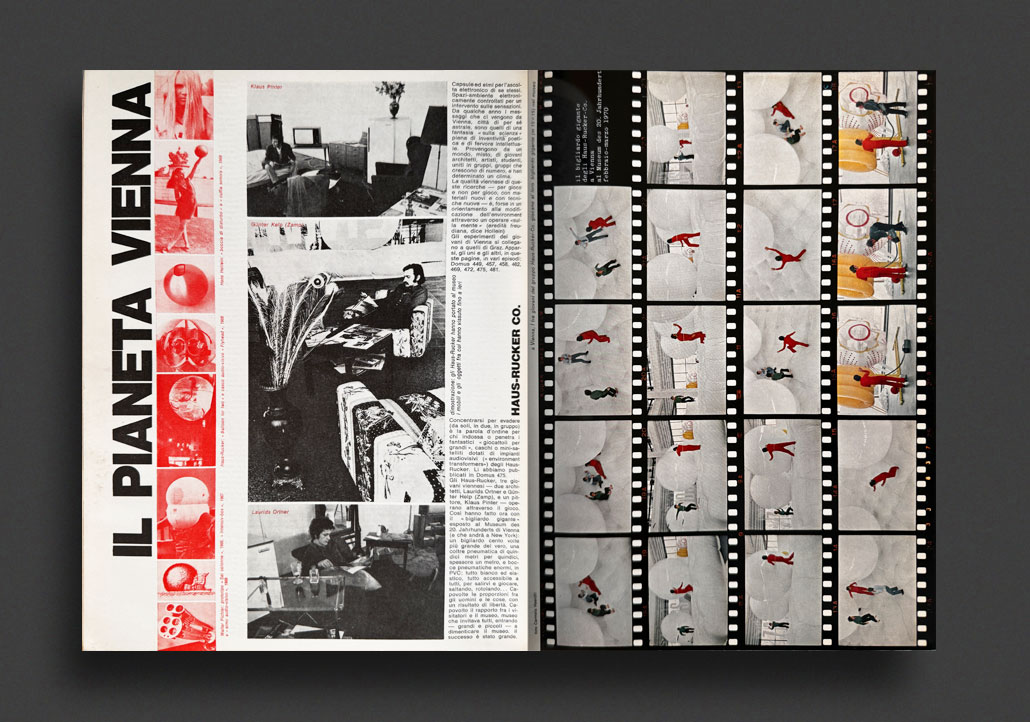
Founded in 1928 as a “living diary” by the great Milanese architect and designer Gio Ponti, domus has been hailed as the world’s most influential architecture and design journal, distributed in 89 countries. With exuberant style and rigor, it offered energetic up-to-date coverage and analysis of major themes, developments and stylistic movements in product, structure, interior, and industrial design. Called the "Mediterranean Megaphone," domus has always been considered the most concrete published expression of Italian style, documenting generations of radical, practical, and beautiful production, both local and across the world. Amongst a seemingly endless archive of contributions and features, domus frequently covered the works of the protagonists of the Anti and Radical Design movements, modern architecture, new experiments in environmental/spatial/commercial design, international product design, the activities of the Arte Povera, Pop art, Minimal Art and Nouveau Réalisme movements, and much more.
No. 485 Aprile 1970
Editor : Gio Ponti
Editorial committee and contributors include : Cesare Casati, Pierre Restany, Agnoldomenico Pica, Pierre Restany, Carmela Haerdtl, Joseph Rykwert, Ettore Sottsass jr., Charles and Ray Eames, Kho Liang je, Bernard Rudofsky, George Nelson, Fausto Melotti, Tommaso Trini, Tapio Wirkkalaand, Rut Bryk, Hans Hollein, and more.
features :
architectural projects by Kenzo Tange; Bruno Morassutti; Fabrizio Carola; Francisco Javier Sáenz de Oiza; George Gardner, Ted Judson, Philip Monteleoni, Jeremy Scott Wood; new Tecno showroom in Rome by Osvaldo Borsani, Marco Fantoni, Eugenio Gerli; department store display by Sergio Asti; Tobia Scarpa works for Flos, Cassina; new design objects from Mario Zanuso, Gio Pomodoro; Richard Feigen Gallery New York by Hans Hollein; Vienna feature w. Haus-Rucker-Co, Walter Pichler, Heinz Frank, Coop Himmelb(l)au, Helmut Richter, Max Peintner; book reviews; and much more.
Beautifully printed in Italy and heavily illustrated throughout with vivid colour and black and white photography across multiple paper stocks, page crops and fold-out spreads.
Good copy with edge wear and corner bumping from age.
1972, Italian / English
Softcover, 116 pages, 32.5 x 24 cm
1st Edition, Out of print title / used / good
Published by
Editoriale Domus / Milan
$55.00 - In stock -
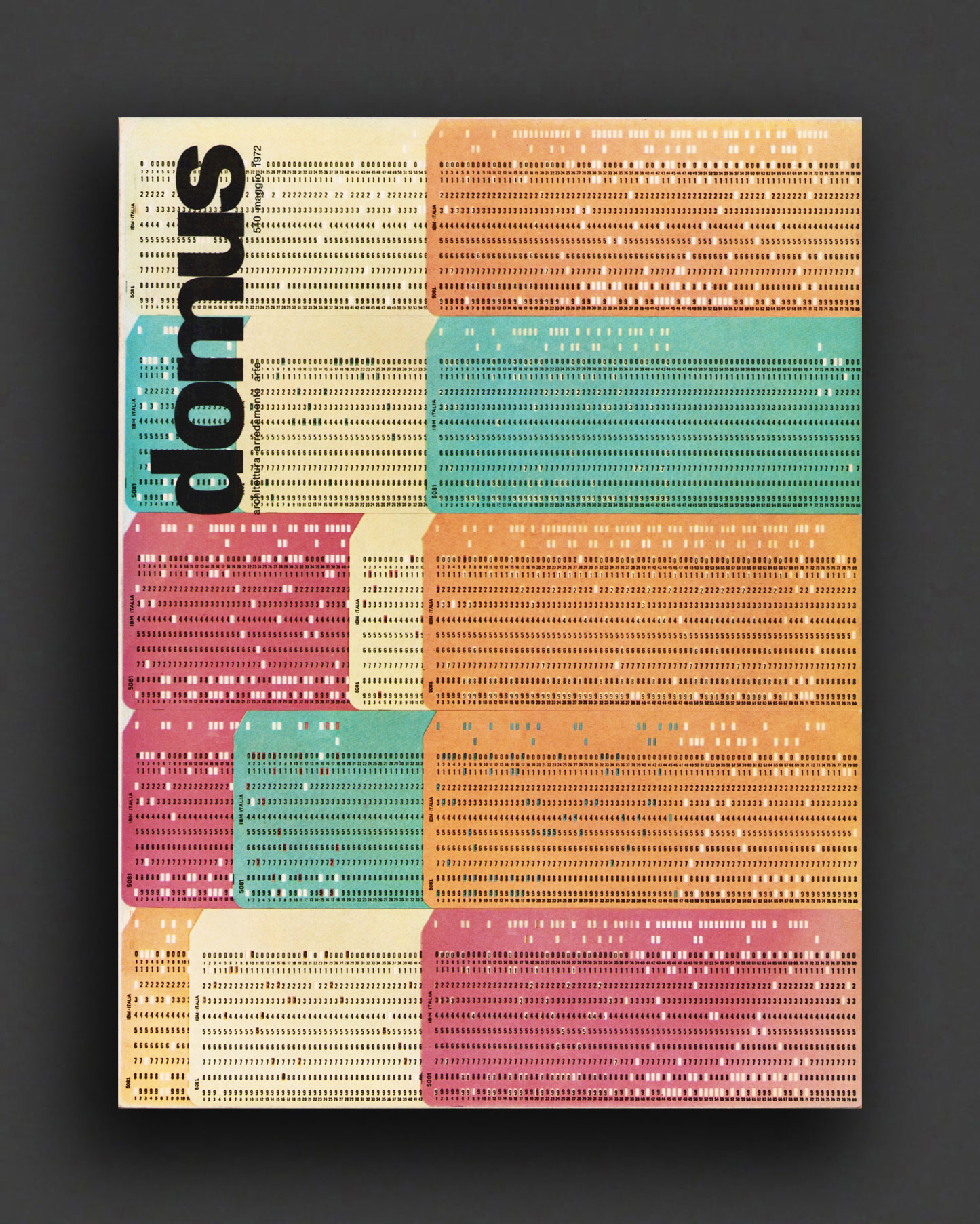
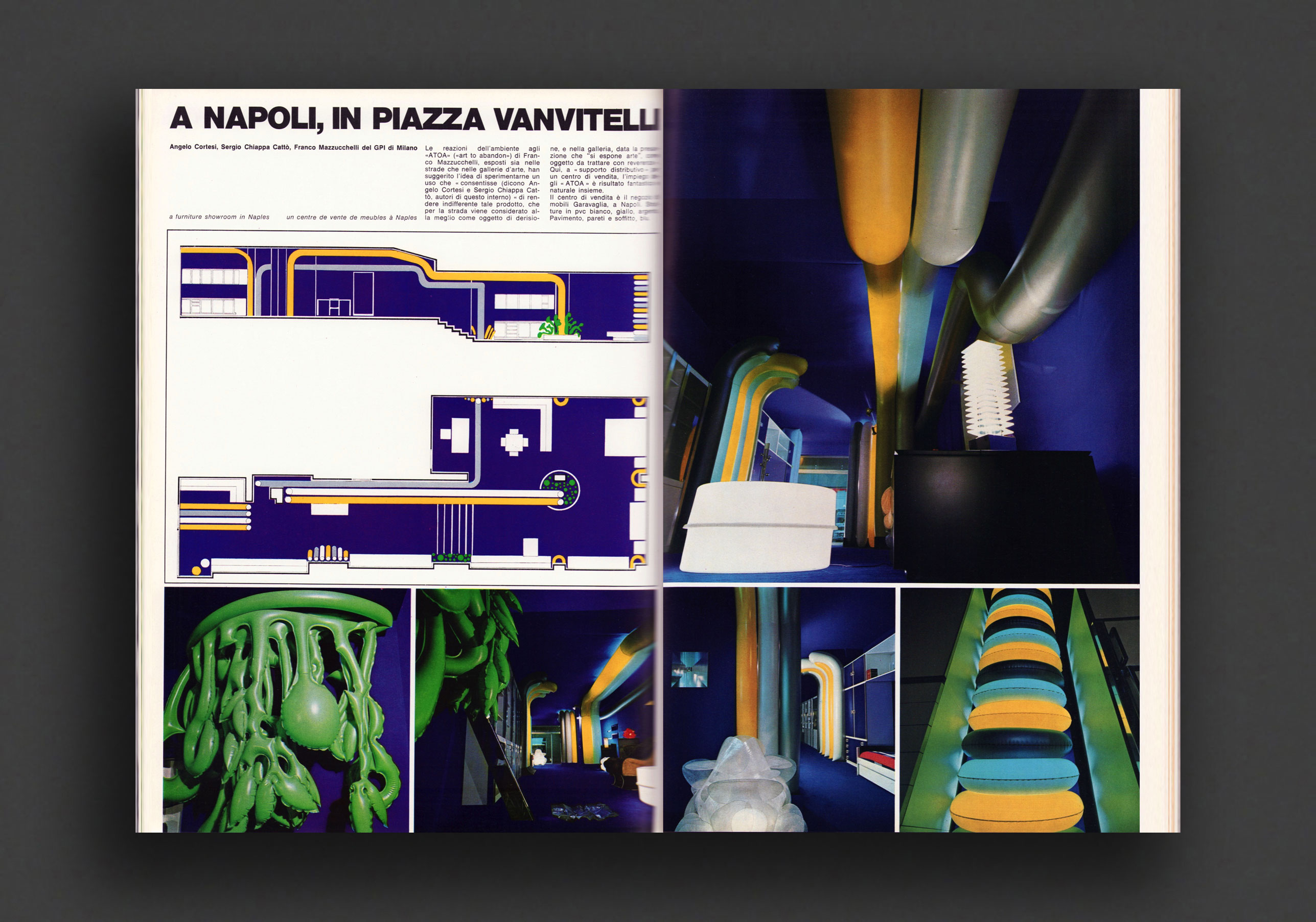
Founded in 1928 as a “living diary” by the great Milanese architect and designer Gio Ponti, domus has been hailed as the world’s most influential architecture and design journal, distributed in 89 countries. With exuberant style and rigor, it offered energetic up-to-date coverage and analysis of major themes, developments and stylistic movements in product, structure, interior, and industrial design. Called the "Mediterranean Megaphone," domus has always been considered the most concrete published expression of Italian style, documenting generations of radical, practical, and beautiful production, both local and across the world. Amongst a seemingly endless archive of contributions and features, domus frequently covered the works of the protagonists of the Anti and Radical Design movements, modern architecture, new experiments in environmental/spatial/commercial design, international product design, the activities of the Arte Povera, Pop art, Minimal Art and Nouveau Réalisme movements, and much more.
No. 510 Maggio 1972
Editor : Gio Ponti
Editorial committee and contributors include : Cesare Casati, Pierre Restany, Agnoldomenico Pica, Pierre Restany, Carmela Haerdtl, Joseph Rykwert, Ettore Sottsass jr., Charles and Ray Eames, Kho Liang je, Bernard Rudofsky, George Nelson, Fausto Melotti, Tommaso Trini, Tapio Wirkkalaand, Rut Bryk, Hans Hollein, and more.
features :
architectural projects by Angelo Mangiorotti, Marco Zanuso, Giulio Ballio, Giovanni Colombo, Alberto Vintani; interiors by Studio Zziggurat, Marc Held, Angelo Cortesi, Sergio Chiappa-Cattò, Franco Mazzucchelli, Takashi Sakaizawa, Alberto Breschi, Roberto Pecchioli, Franco Ferrari; new furniture by Tecno, Werner Kemp, Nanda Vigo, Lucio Fontana, Knoll, Gio Ponti; fashion design by Nanni Strada,; projects/exhibitions by Gae Aulenti, Ugo La Pietra, Joe Colombo, Gruppo Strum, Gaetano Pesce, Marco Zanuso, Superstudio, et al. (Ettore Sottsass, (Italy: The New Domestic Landscape"), Marino Marini, Filippo De Piis, Jean-Pierre Raynaud, Getulio Alviani; book reviews; and much more.
Beautifully printed in Italy and heavily illustrated throughout with vivid colour and black and white photography across multiple paper stocks, page crops and fold-out spreads.
Good copy with edge wear and tanning from age.
1972, Italian / English
Softcover, 116 pages, 32.5 x 24 cm
1st Edition, Out of print title / used / good
Published by
Editoriale Domus / Milan
$55.00 - In stock -
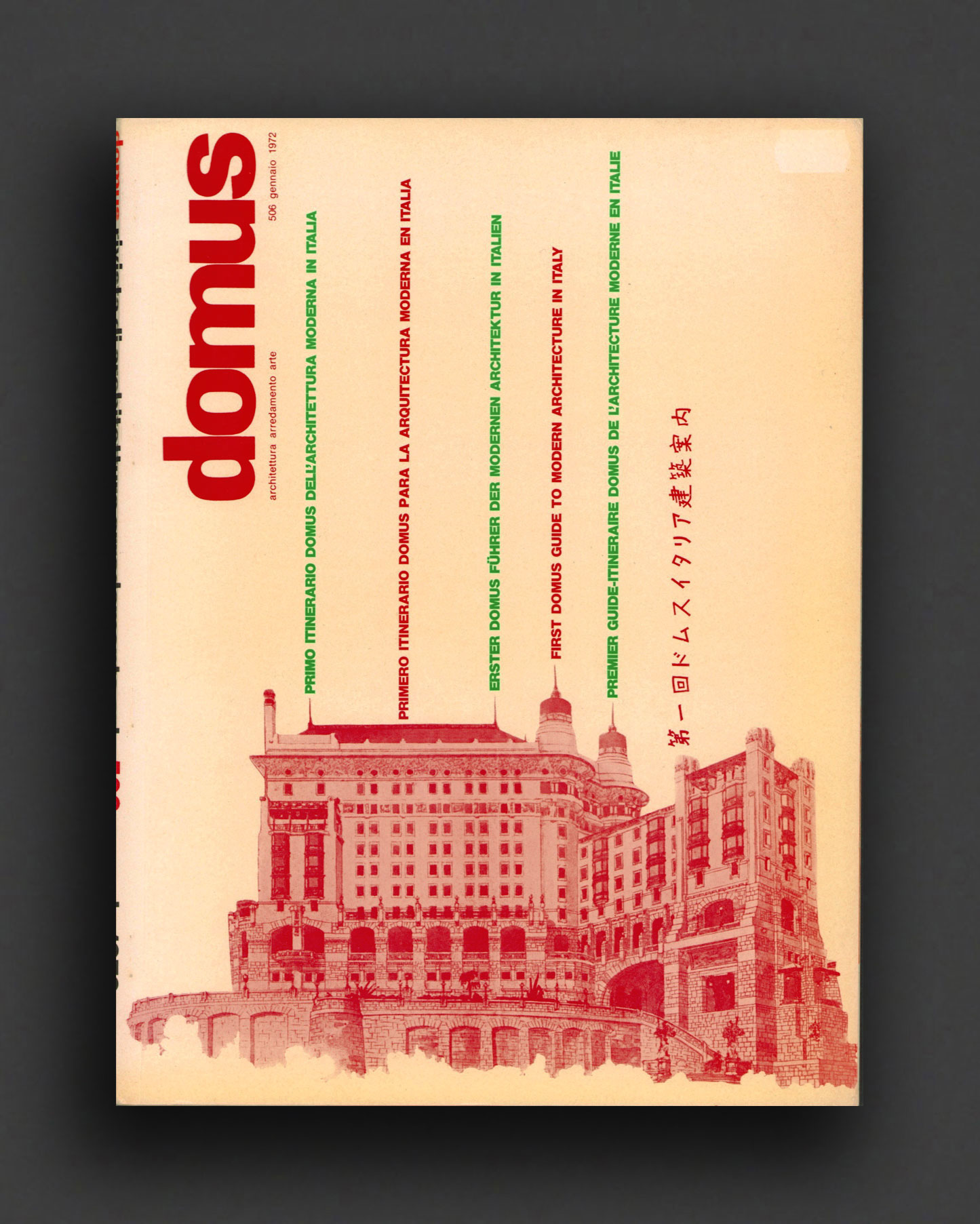
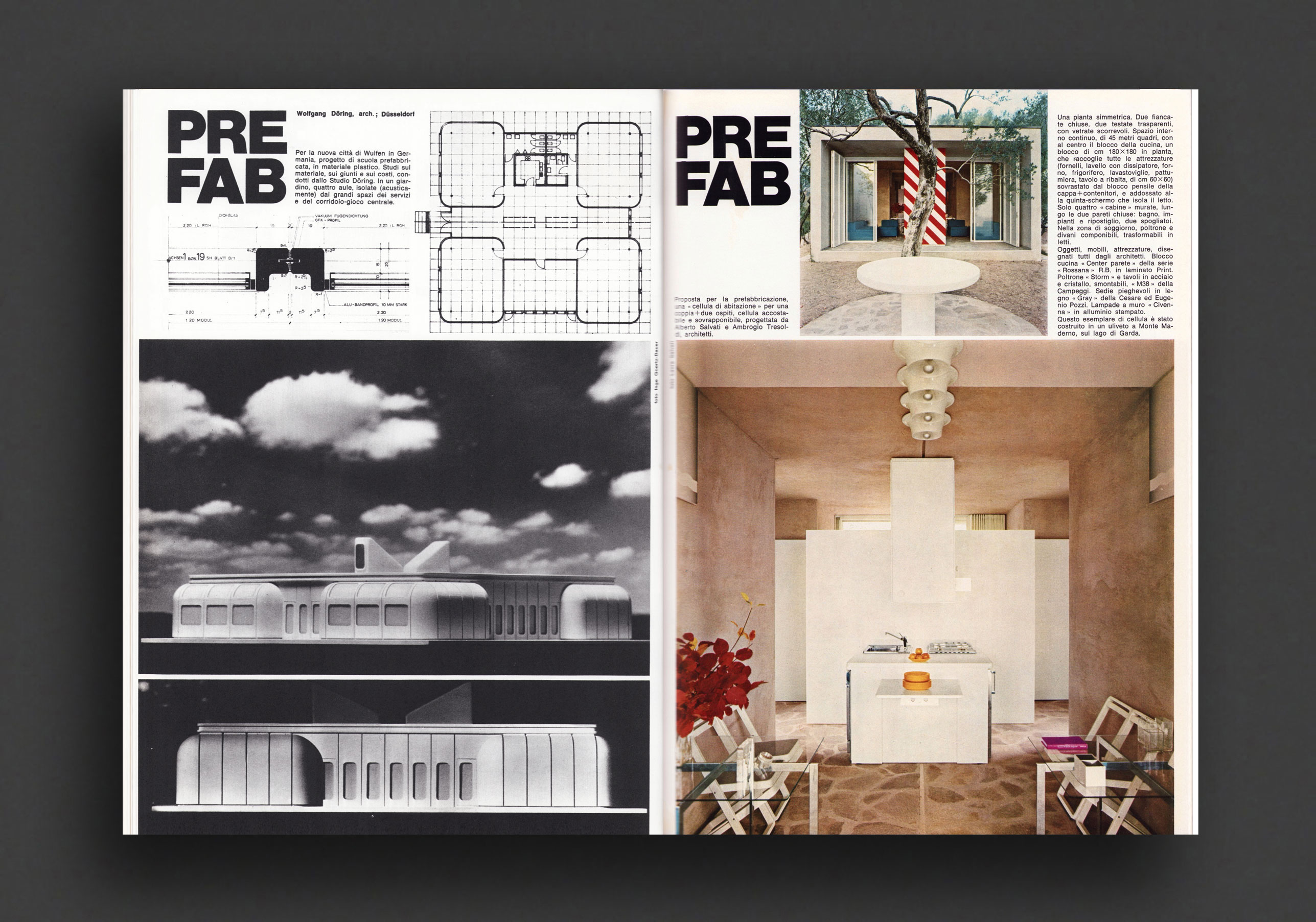
Founded in 1928 as a “living diary” by the great Milanese architect and designer Gio Ponti, domus has been hailed as the world’s most influential architecture and design journal, distributed in 89 countries. With exuberant style and rigor, it offered energetic up-to-date coverage and analysis of major themes, developments and stylistic movements in product, structure, interior, and industrial design. Called the "Mediterranean Megaphone," domus has always been considered the most concrete published expression of Italian style, documenting generations of radical, practical, and beautiful production, both local and across the world. Amongst a seemingly endless archive of contributions and features, domus frequently covered the works of the protagonists of the Anti and Radical Design movements, modern architecture, new experiments in environmental/spatial/commercial design, international product design, the activities of the Arte Povera, Pop art, Minimal Art and Nouveau Réalisme movements, and much more.
No. 506 Gennaio 1972
Editor : Gio Ponti
Editorial committee and contributors include : Cesare Casati, Pierre Restany, Agnoldomenico Pica, Pierre Restany, Carmela Haerdtl, Joseph Rykwert, Ettore Sottsass jr., Charles and Ray Eames, Kho Liang je, Bernard Rudofsky, George Nelson, Fausto Melotti, Tommaso Trini, Tapio Wirkkalaand, Rut Bryk, Hans Hollein, and more.
features :
architectural projects by Wolfgang Döring, Heinz Wilke, Filippo Alison, Adriana Baglloni and Luigi Moretti, Eliot Noyes; new furniture by Oscar Niemeyer, new interiors by Shigeru Uchida, Shoei Yoh, Gio Semprini, Ennio Chiggio; design objects from Zvi Hecker, De Pas/D'Urbino/Lomazzi, Kurt Ziehmer, a playground by Jean Michel Folon; projects/exhibitions by Studio 9999, Marisa Merz, Eva Hesse, Ugo La Pietra, Pier Paolo Calzolari, Agnes Denes, Adrian Piper, Dorothea Rockburne, Hanne Darboven; book reviews; and much more.
Beautifully printed in Italy and heavily illustrated throughout with vivid colour and black and white photography across multiple paper stocks, page crops and fold-out spreads.
Good copy with edge wear and tanning from age.
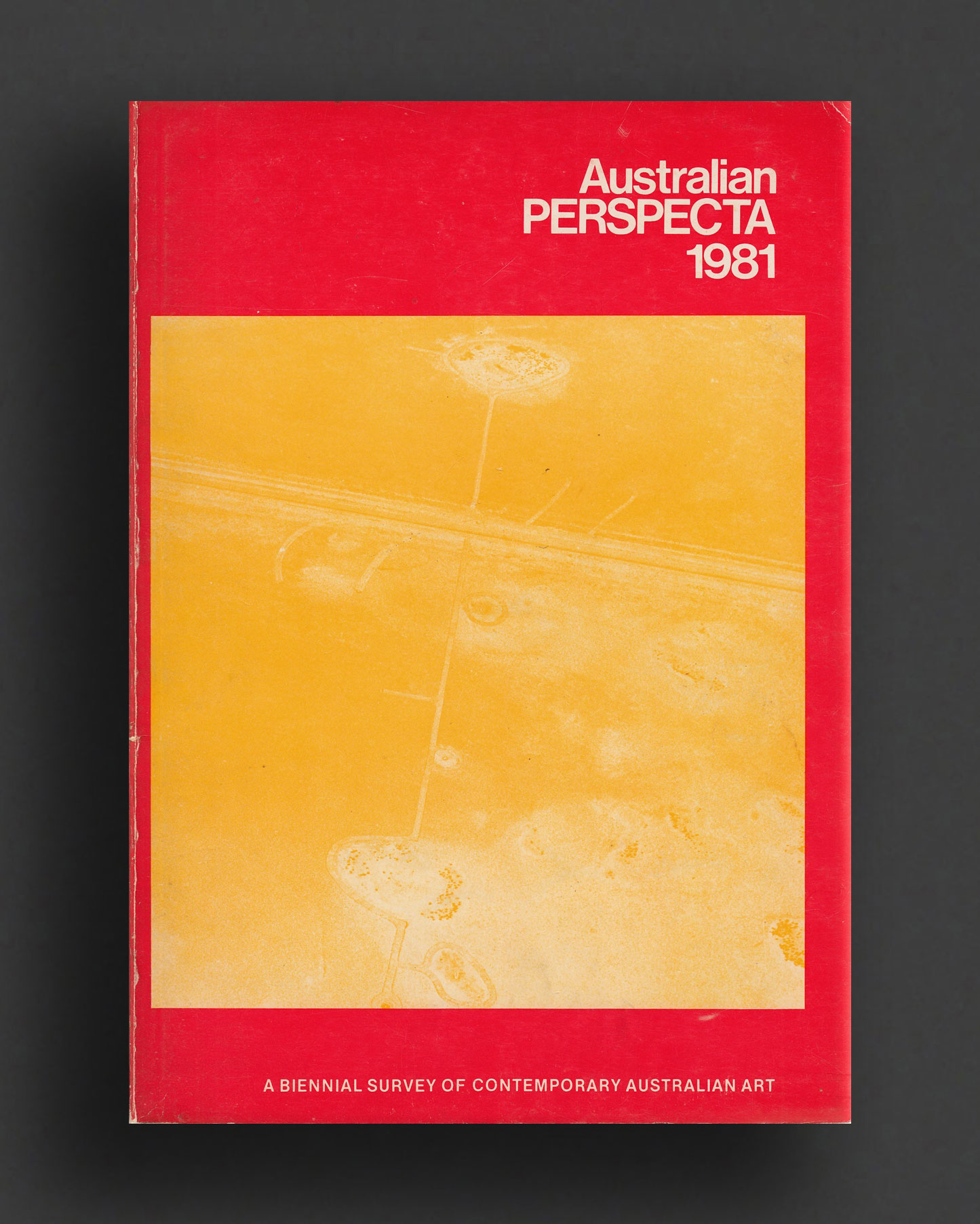
1981, English
Softcover, 188 pages, 21 x 30 cm
1st Edition, Out of print title / used / very good
Published by
Art Gallery of New South Wales / Sydney
$65.00 - In stock -
Scarce catalogue published to accompany Australian Perspecta '81, the first biennale review of recent Australian art that focuses on more experimental expression as an alternative to the Sydney Biennale, showcasing the work of 65 artists. Micky Allan, Tom Arthur, Davida Allen, David Aspden, Suzanne Archer, Vivienne Binns, Howard Arkley, Tony Bishop, Brian Blanchflower, Gunter Christmann, Peter Booth, Giorgio Colombo, Anna Paci, Mike Brown, Peter Corrigan, Edmond & Corrigan, Peter Callas, Virginia Coventry, Marleen Creaser, Bonita Ely, Sue Ford, John Davis, Rosalie Gascoigne, Lesley Dumbrell, Elizabeth Gower, Richard Dunn, Denise Green, Ivan Durrant, Marr Grounds, Fiona Hall, Douglas Holleley, Marion Hardman, Robert Jacks, Bill Henson, Lorraine Jenyns, Robert Jenyns, Dale Hickey, Stephen Jones, Geoffrey Hogg, Peter Kennedy, Kerrie Lester, Robert Owen, Bea Maddock, Mike Parr, Mandy Martin, Paul Partos, Kevin Mortensen, Ann Newmarch, Lutz Presser, Robert Randall, Frank Bendinelli, Imants Tillers, Sally Robinson, Clifford Possum, Tjapaltjarri Tim Leura Tjapaltjarri, Charlie Tjapangati, Stelarc,Tony Trembath, Colin Suggett, Stephen Turpie, Peter Taylor, Ken Unsworth, Vicki Varvaressos, Frank Watters, Robin Wallace-Crabbe, Ken Whisson, Dick Watkins, Paul Winkler, Jenny Watson, Ray Woolard…. The expansive catalogue features images and texts on each artist, statements, a full list of exhibited works, and artist biographies. Illustrated in colour and b/w.
Good copy with light wear/tanning.
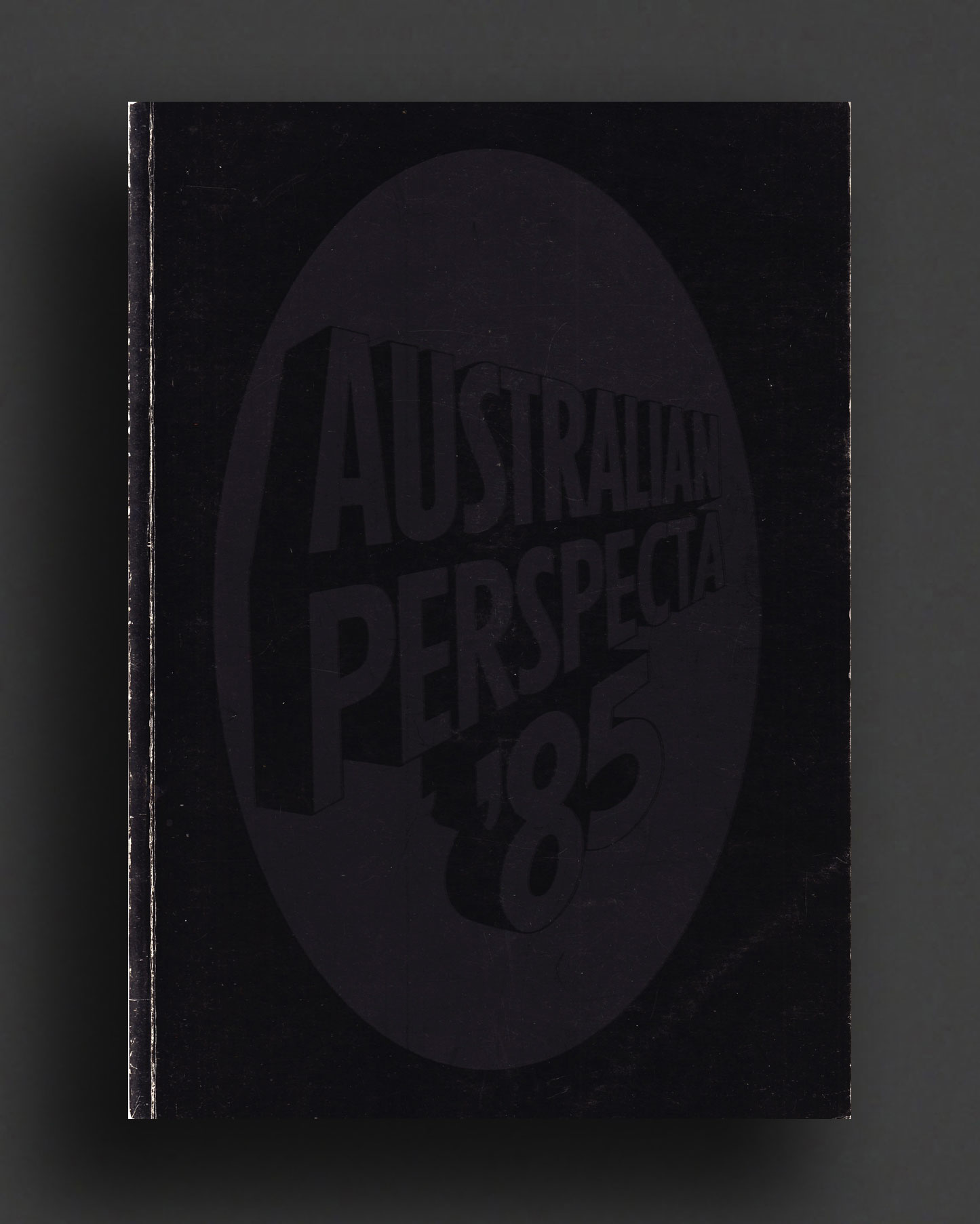
1985, English
Softcover, 188 pages, 21 x 30 cm
1st Edition, Out of print title / used / good
Published by
Art Gallery of New South Wales / Sydney
$50.00 - In stock -
Scarce catalogue published to accompany Australian Perspecta '85, the third biennale review of recent Australian art that focuses on more experimental expression as an alternative to the Sydney Biennale, showcasing the work of 140 artists, plus a programme of poetry and audio works, presented across multiple venues (Artspace, The Performance Space, The Irving Sculpture Gallery, and Mori Gallery) in 1985. With contributions from the curatorial team of Judy Annear, Anthony Bond, Sandra Byron, Ursula Prunster, Gary Sangster, Celia Winter-Irving, Cheryll Sotheran and Nick Tsoutas, the expansive catalogue features images and texts on each artist, statements, a full list of exhibited works, and artist biographies. Illustrated in b/w throughout.
Featuring Maria Kozic, Janet Burchill, Jennifer McCamley, Peter Tyndall, Tony Clark, Richard Dunn, Merilyn Fairskye, Hilarie Mais, Fiona MacDonald, Bonita Ely, Joan Brassil, Julie Brown-Rrap, John Lethbridge, Anne MacDonald, John Nixon, Robert Owen, Stieg Person, Jacky Redgate, John Young, Marianne Baillieu, John Beard, Martin Boscott, Kate Farrell, Lindy Lee, Geoff Lowe, Margaret Morgan, Jan Nelson, Susan Norrie, Davida Allen, Suzanne Archer, Giselle Antman, Cressida Campbell, Alison Clouston, Janenne Eaton, Judith Ahern, Lyn Ashby, Jean-Marc Dupre, Wayne Fimo, Fiona Hall, Merryle Johnson, Mental As Anything, Ann Noon, Robyn Stacey, Antoinette Starkiewicz, Kym Vaitiekus, Victoria Fernandez, Anne Ferran, Adrienne Gaha, Robyn Gordon, Elizabeth Gower, Wayne Hutchins, Robin Heks, Janet Laurence, Kate Lohse, Loretta Noonan, Loretta Quinn, Robyn Stacey, June Tupicoff, Vicki Varvaressos, Toni Warburton, Jenny Toynbee Wilson, Terence O'Malley, Rodney Pople, Rolando Caputo, Juan Davila, Laleen Jayamanne, Mark Titmarsh, Geoff Weary, Rowan Woods, Butchered Babies, Anne Graham, Leigh Hobba, The Ideological Sound Gospel Choir, Lyndal Jones, Derek Kreckler, Vineta Lagzdina, Michele Luke, Pamela Harris, Terence O'Malley, Andrew Petrusevics, David Watt, Stephen Wigg, Z.I.P., Joan Grounds, Neil Dawson, Jacqueline Fahey, Jacqueline Fraser, Robert McLeod, lan McMillan, Maria Olsen, Marlee Creaser, Heather Dorrough, Noelene Lucas, Geoff Miller, Bronwyn Oliver, Michael Snape, Arthur Wicks, Nigel Helyer, Mona Ryder, Jill Scott, Christopher Hodges, Madonna Staunton, Janice Hunter, Wendy Stavrianos, Tim Jones, Robert Thirwell, Stephen Killick, Ken Unsworth, Theo Koning, Hossein Valamanesh, Henry Lewis, Allen Viguier, Michele Luke, Robin Wallace-Crabbe, David Lyons, Bruce Armstrong, Jane Barwell, Akio Makigawa, Paul Boston, Simone Mangos, Rodney Broad, Ross Mellick, Bill Brown, Geoff Miller, Brad Buckley, Susan Nightingale, Alison Clouston, Colin Offord, Peter Crocker, Geoff Parr, Dennis Del Favero, Mike Parr, Margaret Dodd, Simon Penny, Michiel Dolk, Ari Purhonen, Tom Risley, Lise Floistad, Kristine Rose, lan Gentle, Victor Rubin, Richard Goodwin, Carol Rudyard, Anne Graham, David Ryan, Mona Ryder, and more.
Average-Good copy with spine crease and general wear to extremities.
1985, German
Hardcover, 184 pages, 27.5 x 21.5 cm
1st Edition, Out of print title / used / good
Published by
Kölnischer Kunstverein / Köln
$45.00 - In stock -
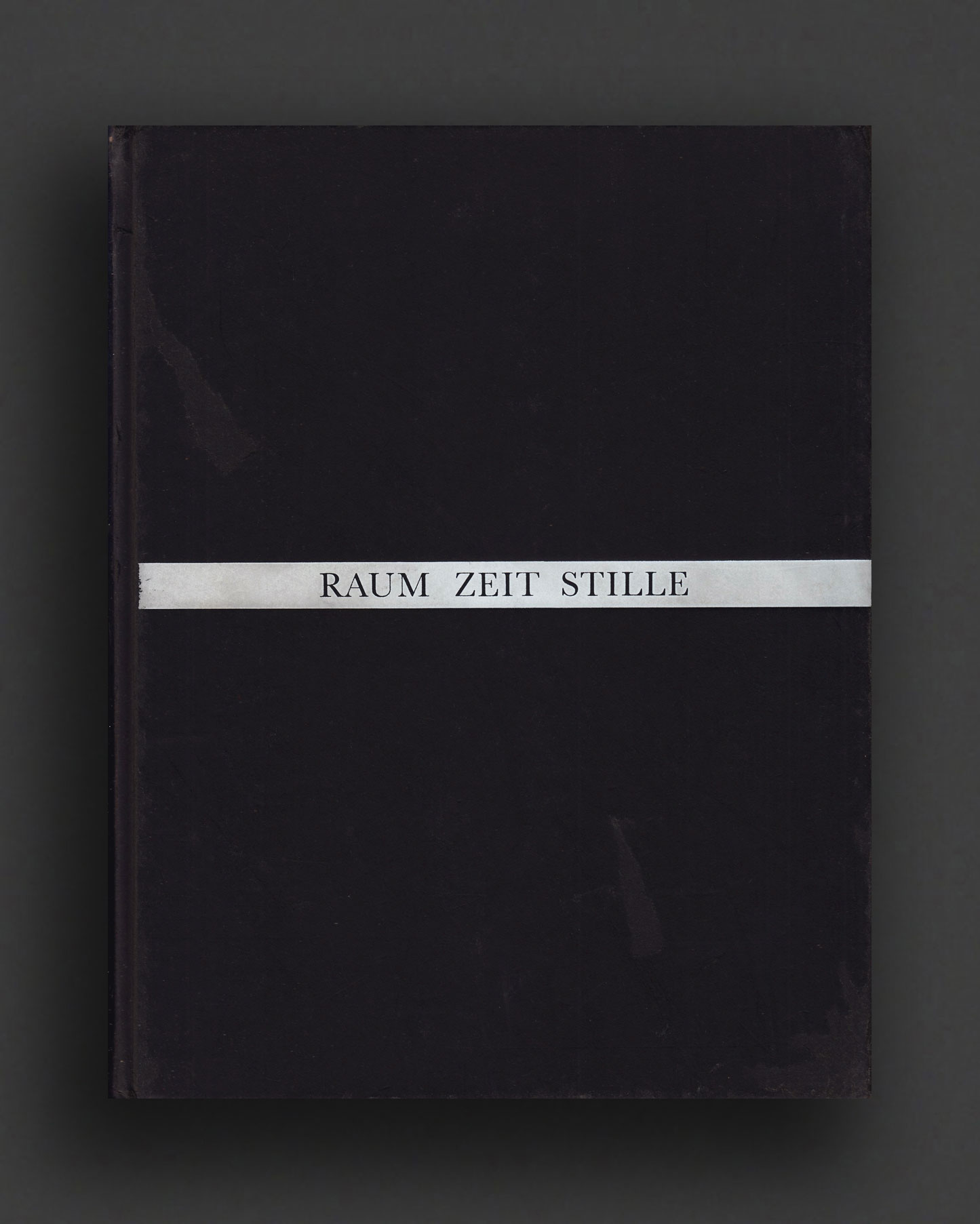
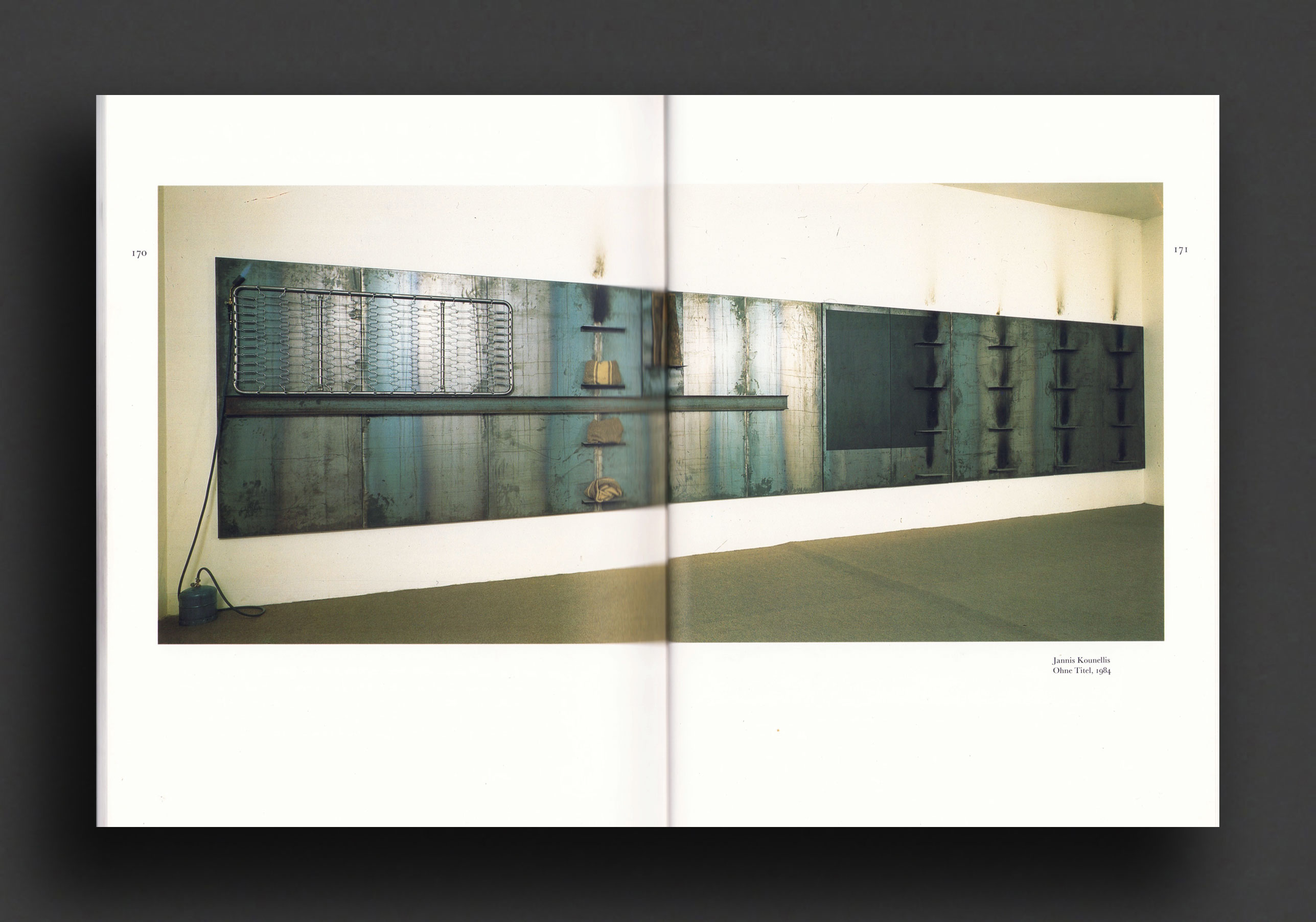
Lovely 1985 hardcover catalogue published on the occasion of the exhibition of the same name at the Kölnischer Kunstverein, March 23—June 2, 1985, curated by German art historian and curator Wulf Herzogenrath, featuring Josef Albers, Joseph Beuys, John Cage, Carl Gustav Carus, Marcel Duchamp, Jannis Kounellis, René Magritte, Kasimir Malevich, La Monte Young / Marian Zazeela, Barnett Newman, Nam June Paik, Arnulf Rainer, Odilon Redon, Mark Rothko, Reiner Ruthenbeck, and Georges Seurat. Heavily illustrated in colour and b/w with accompanying texts in German.
Good copy with some rubbing/flaking to silkscreened carbon black hardcovers, otherwise Very Good throughout. Previous owner's name to title page (that of Melbourne artist Bernhard Sachs).
1997, English / German
Softcover, 136 pages, 25 x 19.5 cm
1st Edition, Out of print title / used / very good
Published by
Verlag der Kunst / Berlin
$30.00 - In stock -
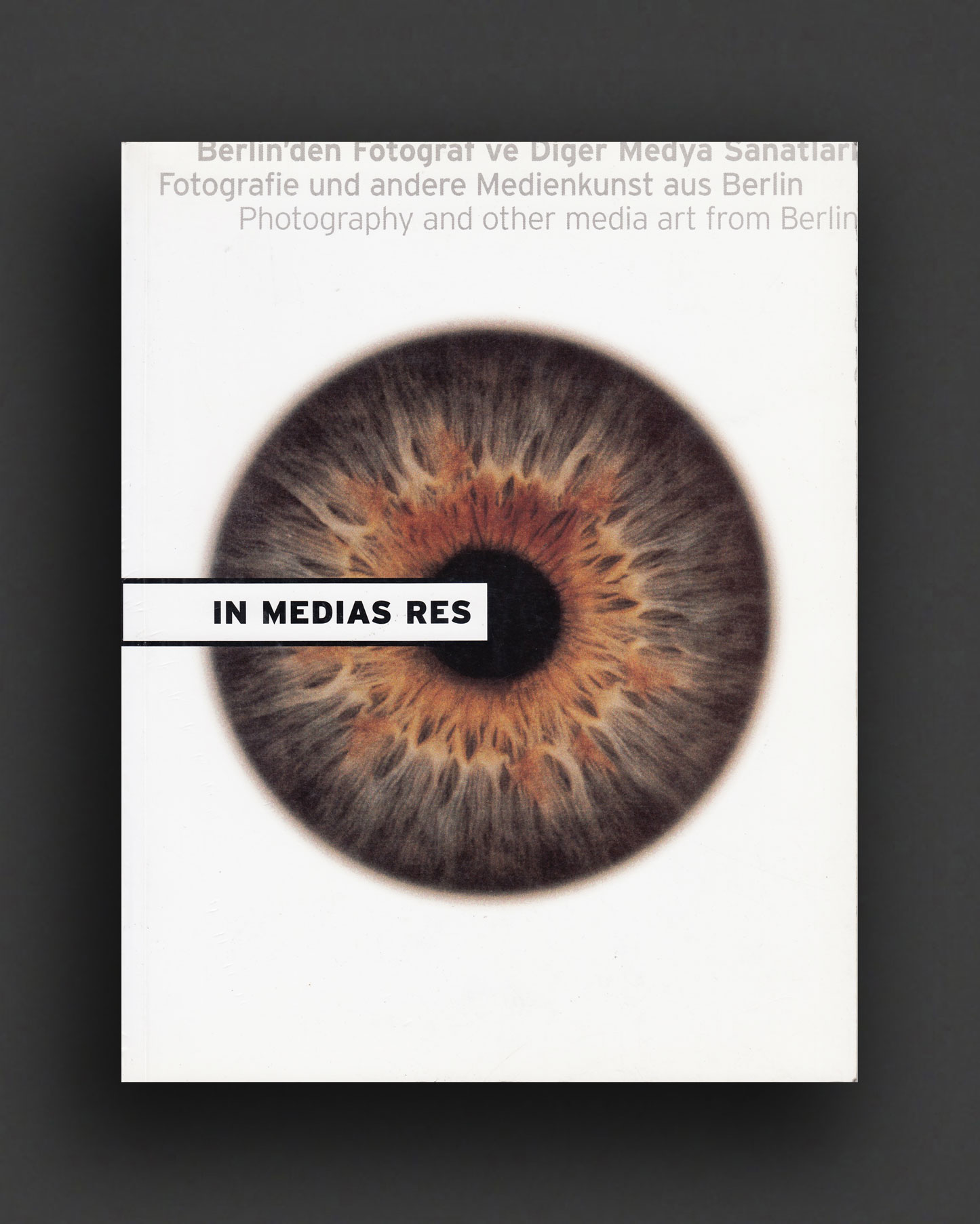
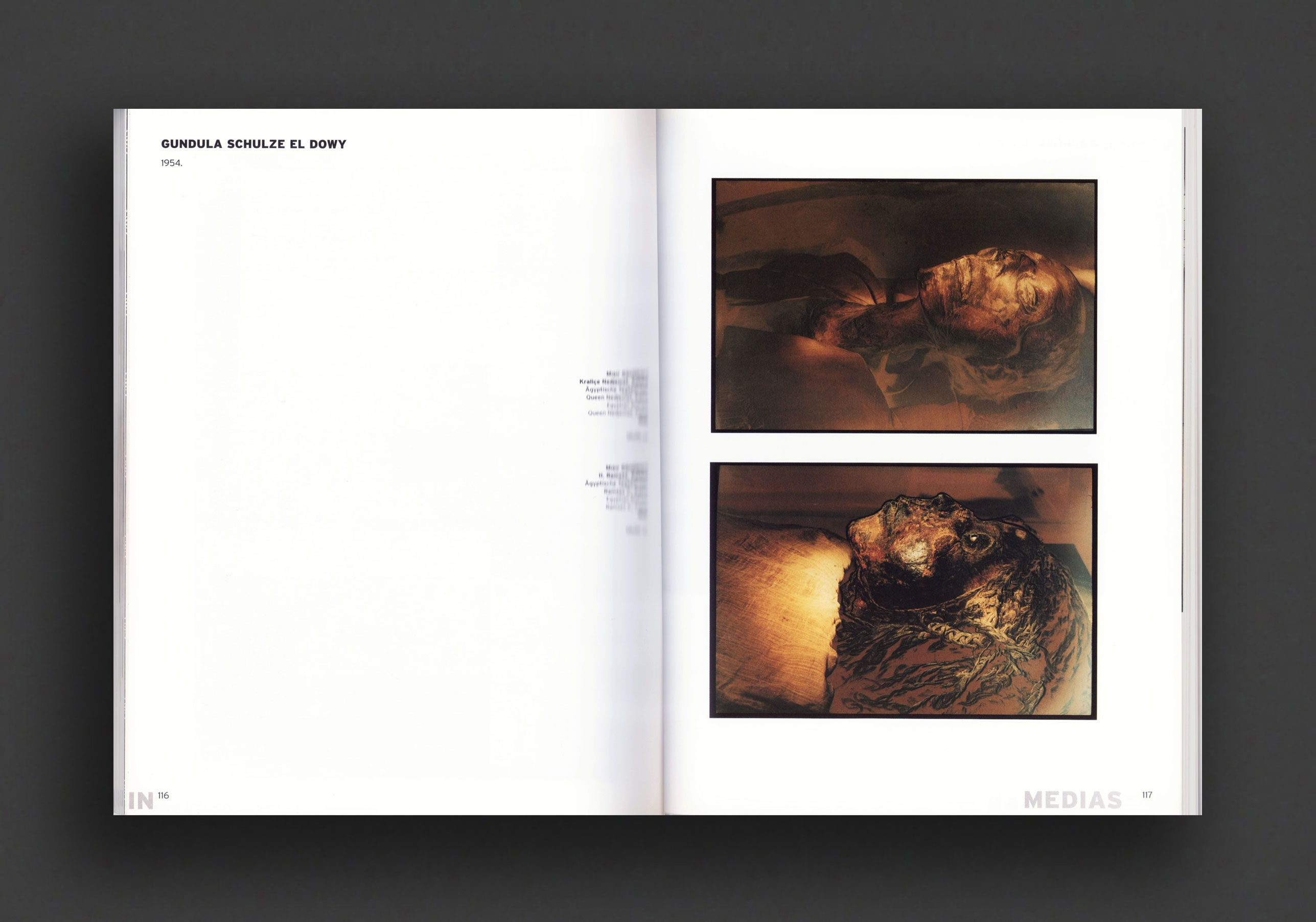
First, scarce 1997 edition of "In Media Res: Photography and Other Media Art from Berlin" a book published on the occasion of the exhibition curated by René Block and Angelika Stepken for the Istanbul Biennial in 1997. Edited by Angelika Stepken, Heinz Emigholz, and Golo Follmer, heavily illustrated in colour and b/w with accompanying texts in lingual English and German, featuring the work of: Bettina Allamoda, Dieter Appelt, Sam Auinger, Rupert Huber, Fritz Balthaus, Lothar Baumgarten, Arnold Dreyblatt, Ulrich Eller, Heinz Emigholz, Nina Fischer & Maroan el Sani, Thomas Florschuetz, Adib Fricke, Elfi Fröhlich, (e.) Twin Gabriel, Nan Goldin, Asta Gröting, Gün, BKH Gutmann, Gusztáv Hámos, Jörg Herold, Rolf Julius, Werner Klotz, Igor & Svetlana Kopistiansky, Christina Kubisch, Susanne Lauterbach, Jozef Legrand, Florian Merkel, Dörte Meyer, Robin Minard, Piotr Nathan, Olaf Nicolai, Yufen Qin, Fritz Rahmann, Martin Riches, Rivka Rinn, Eva-Maria Schön, John Schuetz, Gundula Schulze El Dowy, Katharina Sieverding, Andrea Sunder-Plassmann, Frank Thiel, Wolf Vostell, Ute Weiss-Leder, Matthias Zeininger...
Very Good copy.