World Food Books' programme is largely produced on Kulin Nation land. We acknowledge the Wurundjeri people of the Kulin Nation as the first and continuing custodians of this land, and pay respect to their Elders past, present, and emerging.
World Food Books is an arts and special interests bookshop in Naarm / Melbourne. Founded in 2010, World Food Books is devoted to the presentation of a rotating, hand-selection of international art, design, literary and counterculture publications with an emphasis on the anti-traditional, the experimental, the avant-garde, the heretic, the marginal.
Presenting new titles alongside rare and out-of-print books, catalogues and journals spanning the fields of modern and contemporary art, design, photography, illustration, film, literature, poetry, cultural theory, philosophy, sexuality, popular and underground culture in its many radical forms, World Food Books wishes to encourage adventurous, thoughtful and open-minded reading, looking, writing, and exchange of publishing and ideas, both current and historical.
As well as our bookshop, located in Melbourne's historical Nicholas Building, all of our inventory is available internationally via our online mail-order service.
World Food Books semi-regularly co-ordinates "Occasions", a programme of exhibits and events at the bookshop and in partnership with other hosts (such as museums and art galleries) that develop out of the activities, relationships and content of the bookshop itself.
World Food Books
The Nicholas Building
37 Swanston Street
Room 5, Level 6
Melbourne 3000
Australia
SHOP HOURS:
Thu–Fri 12–6, Sat 12–5
WEB-SHOP OPEN 24/7
World Food Books
Postal Address:
PO Box 435
Flinders Lane
Victoria 8009
Australia
Art
Theory / Essay
Architecture / Interior
Graphic Design / Typography
Photography
Fashion
Eros
LGBTQ+
Fiction / Poetry
Weird / Speculative / Science Fiction / Horror
Transgressive / Visceral / Abject
Symbolism / Decadence / Fin de siècle
Film / Video
Painting
Sculpture / Installation
Performance / Dance / Theater
Drawing
Sound / Music
Curatorial
Group Shows / Collections
Periodicals
Out-of-print / Rare
Posters / Ephemera / Discs
Signed Books
World Food Books Gift Voucher
World Food Book Bag
Australian Art
Australian Fiction
Australian Science Fiction / Speculative Fiction
Australian Poetry
Australian Photography
Japanese Photography
Conceptual Art
Minimal Art
Dada
'Pataphysics / Oulipo
Fluxus
Concrete Poetry
Pop Art
Surrealism
Arte Povera
Arte Informale / Haute Pâte / Tachism
Nouveau Réalisme / Zero / Kinetic
Situationism / Lettrism
Collage / Mail Art / Xerox Art
Art Brut / Folk / Visionary / Fantastic
Illustration / Graphic Art / Bandes Dessinées
Furniture
Italian Radical Design / Postmodernism
Textiles
Ceramics / Glass
Counterculture
Protest / Revolt
Philosophy
Psychoanalysis
Anthropology
Anarchism
Socialism / Anarchism / Communism / Capitalism
Literary Theory / Semiotics / Language
Feminism / Women's Studies
Gender Studies / Sexuality
Anthropology
Fetishism / BDSM
Drugs / Psychedelia
Crime / Violence
Animal Rights / Veganism
Occult / Esoterica
Ecology / Earth / Alternative Living
Whole Earth / Crafts
All prices in AUD (Australian dollars)
Pick-Ups
Pick-up orders can be collected in our bookshop during opening hours after order date. Please collect any Pick-up orders within 2 weeks of ordering as we have limited storage space. Orders will be released back into stock if not collected within this time. No refunds can be made for pick-ups left un-collected. If you cannot make it in to the bookshop in this time-frame, please choose postage option.
Return Policy
All sales are final. We do accept returns (for refund or exchange) for items received in error. All our orders are packed with special care using heavy-duty padding and cardboard book-mailers or bubble mailers (for smaller books), using reinforcement where required. We cannot take responsibility for any lost, stolen or damaged parcels.
Insurance
Should you wish to insure your package, please email us directly after placing your order and we can organise this at a small extra expense. Although all standard/express tracked packages are very safe and dependable, we cannot take responsibility for any lost, stolen or damaged parcels. We recommend insurance on valuable orders.
Interested in selling your old books, catalogues, journals, magazines, comics, fanzines, ephemera? We are always looking for interesting, unusual and out-of-print books to buy. We only buy books in our fields of interest and specialty, and that we feel we can resell.
We base these prices on desirability, market value, in-print prices, condition and our current stock levels. We offer cash, store credit, and can take stock on consignment. All
about 25% of the price we expect to get when we sell them, or 30% in store credit. We base these prices on desirability, market value, in-print prices, condition and our current stock levels.
Sell your books any day of the week. You can drop them off and return later. If you have a lot of books, we can visit your Sydney home.
We buy books that we feel we can resell. We offer about 25 % of the price we expect to get when we sell them, or 30% in store credit. We base these prices on desirability, market value, in-print prices, condition and our current stock levels.
Philadelphia Wireman
03 August - 01 September, 2018
World Food Books is proud to announce our next Occasion, the first presentation of sculptures by Philadelphia Wireman in Australia.
The Philadelphia Wireman sculptures were found abandoned in an alley off Philadelphia’s South Street on trash night in 1982. Their discovery in a rapidly-changing neighbourhood undergoing extensive renovation, compounded with the failure of all attempts to locate the artist, suggests that the works may have been discarded after the maker’s death. Dubbed the "Philadelphia Wireman" during the first exhibition of this work, in 1985, the maker’s name, age, ethnicity, and even gender remain uncertain. The entire collection totals approximately 1200 pieces, all intricately bound together with tightly-wound heavy-gauge wire (along with a few small, abstract marker drawings, reminiscent both of Mark Tobey and J.B. Murry). The dense construction of the work, despite a modest range of scale and materials, is singularly obsessive and disciplined in design: a wire armature or exoskeleton firmly binds a bricolage of found objects including plastic, glass, food packaging, umbrella parts, tape, rubber, batteries, pens, leather, reflectors, nuts and bolts, nails, foil, coins, toys, watches, eyeglasses, tools, and jewellery.
Heavy with associations—anthropomorphic, zoomorphic, and socio-cultural responses to wrapped detritus—the totemic sculptures by Philadelphia Wireman have been discussed in the context of work created to fulfil the shamanistic needs of alternative religions in American culture. Curators, collectors, and critics have variously compared certain pieces to sculpture from Classical antiquity, Native American medicine bundles, African-American memory jugs, and African fetish objects. Reflecting the artist’s prolific and incredibly focused scavenging impulse, and despite—or perhaps enhanced by—their anonymity, these enigmatic objects function as urban artefacts and arbiters of power, though their origin and purpose is unknown. Philadelphia Wireman, whatever their identity, possessed an astonishing ability to isolate and communicate the concepts of power and energy through the selection and transformation of ordinary materials. Over the course of the past two decades, this collection has come to be regarded as an important discovery in the field of self-taught art and vernacular art.
Presented in collaboration with Fleisher-Ollman Gallery, Philadelphia, and Robert Heald, Wellington.
Susan Te Kahurangi King
02 February - 10 March, 2018
Susan Te Kahurangi King (24 February 1951 - ) has been a confident and prolific artist since she was a young child, drawing with readily available materials - pencils, ballpoint pens and felt-tip markers, on whatever paper is at hand. Between the ages of four and six Susan slowly ceased verbal communication. Her grandparents William and Myrtle Murphy had developed a special bond with Susan so they took on caring responsibilities for extended periods. Myrtle began informally archiving her work, carefully collecting and storing the drawings and compiling scrapbooks. No drawing was insignificant; every scrap of paper was kept. The King family are now the custodians of a vast collection containing over 7000 individual works, from tiny scraps of paper through to 5 meter long rolls.
The scrapbooks and diaries reveal Myrtle to be a woman of great patience and compassion, seeking to understand a child who was not always behaving as expected. She encouraged Susan to be observant, to explore her environment and absorb all the sights and sounds. Myrtle would show Susan’s drawings to friends and people in her community that she had dealings with, such as shopkeepers and postal workers, but this was not simply a case of a grandmother’s bias. She recognised that Susan had developed a sophisticated and unique visual language and sincerely believed that her art deserved serious attention.
This was an unorthodox attitude for the time. To provide some context, Jean Dubuffet coined the term Art Brut in 1945 to describe work created by self-taught artists – specifically residents of psychiatric institutions and those he considered to be visionaries or eccentrics. In 1972 Roger Cardinal extended this concept by adopting the term Outsider Art to describe work made by non-academically trained artists operating outside of mainstream art networks through choice or circumstance. Susan was born in Te Aroha, New Zealand in 1951, far from the artistic hubs of Paris and London that Dubuffet and Cardinal operated in. That Myrtle fêted Susan as a self-taught artist who deserved to be taken seriously shows how progressive her attitudes were.
Susan’s parents Doug and Dawn were also progressive. Over the years they had consulted numerous health practitioners about Susan’s condition, as the medical establishment could not provide an explanation as to why she had lapsed into silence. Dawn educated herself in the field of homeopathy and went on to treat all twelve of her children using these principles – basing prescriptions on her observations of their physical, mental and emotional state.
Doug was a linguist with an interest in philosophy who devoted what little spare time he had to studying Maori language and culture. To some extent their willingness to explore the fringes of the mainstream made them outsiders too but it was their commitment to living with integrity and their respect for individuality that ensured Susan’s creativity was always encouraged.
Even though Susan’s family supported her artistic pursuits, some staff in schools and hospitals saw it as an impediment to her assimilation into the community and discouraged it in a variety of ways. Her family was not always aware of this and therefore did not fully understand why Susan stopped drawing in the early 1990s. However, rather than dwell on the challenges that Susan faced in pursuit of her artistic practice, they prefer to highlight her achievements. In 2008 Susan began drawing again in earnest, after an almost 20 year interruption, and her work is now shown in galleries around the world.
Susan grew up without television and has been heavily influenced by the comics she read as a child. She is absolutely fearless in the appropriation of recognizable characters, such as Donald Duck and Mickey Mouse, in her work. She twists their limbs, contorts their faces, compresses them together, blends them into complex patterned backgrounds - always imbuing them with an incredible energy. Although Susan often used pop culture characters in her work they are not naive or childlike. These are drawings by a brilliant self-taught artist who has been creating exceptional work for decades without an audience in mind.
Mladen Stilinović
"Various Works 1986 - 1999"
02 February 16 - September 10, 2016
Various works 1986 - 1999, from two houses, from the collections of John Nixon, Sue Cramer, Kerrie Poliness, Peter Haffenden and Phoebe Haffenden.
Including: Geometry of Cakes (various shelves), 1993; Poor People’s Law (black and white plate), 1993; White Absence (glasses, ruler, set square, silver spoon, silver ladel with skin photograph and wooden cubes), 1990-1996; Exploitation of the Dead (grey and red star painting, wooden painting, black spoon with red table, red plate), 1984-1990; Money and Zeros (zero tie, paintings made for friends in Australia (Sue, John, Kerrie), numbers painting), 1991-1992; Words - Slogans (various t-shirts) - “they talk about the death of art...help! someone is trying to kill me”, “my sweet little lamb”, “work is a disease - Karl Marx”; Various artist books, catalogues, monographs, videos; Poster from exhibition Insulting Anarchy; "Circular" Croatian - Australian edition; Artist book by Vlado Martek (Dostoyevsky); more.
Thanks to Mladen Stilinović and Branka Stipančić.
Jonathan Walker
Always Will Need To Wear Winter Shirt Blue + Ochre Small Check Pattern
21 August - 21 September, 2015
Untitled
I am not a great reader of poetry but I always return to the work of Melbourne poet, Vincent Buckley (1925- 1988). Perhaps I find his most tantalising piece to be not a finished poem but a fragment left on a scrap of paper discovered on his desk after the poet’s death.
The poetry gathers like oil
In the word-core, and spreads
It has its music meet,
Its music is in movement.
This fragment is more the shell left behind from a volatile thought than a finished poem. I find the last two lines honest but awkward whereas the first two lines work like an arrow. Most likely he could not find a resolution so it was left. Still, in its present form, it remains an eloquent testimony to the ultimate failure of a medium to express mobile thought and sensation, in Buckley’s case, through verbal language. It’s an important matter because this is something all artists have to deal with regardless of the medium.
I have never written a poem, however, I am forever copying fragments from books on paper scraps in a vain effort to fix certain notions in my head. At first, they function as bookmarks that are sometimes returned to when I open the book. But before long, as they accumulate, they fall out littering the table interspersed with A4 photocopies, bills, books and medications.
To return to Buckley’s fragment, the first two lines very much evoke how I paint nowadays. As you age, detail diminishes and patches of light become more luminous and float. I feel the most honest way of dealing with this is by smearing the oil paint on the canvas with the fingers and working close-up, blind. Only if the patches coalesce into an approaching image can the work gain a life.
-
Jonathan Walker was born in Melbourne, Australia and brought up on a dairy farm in Gippsland. In the 1970’s he studied painting at RMIT and won the Harold Wright Scholarship to the British Museum, London. During the 1980’s he exhibited at Pinacotheca Gallery, Richmond and had work shown at the NGV and Heidi City Art Gallery. Over the same period he designed the cover for the “Epigenesi” LP by Giancarlo Toniutti, Italy and conducted a mail exchange work with Achim Wollscheid, Germany. The work with artists through the post resulted in an article published in the bicentenary issue of Art and Australia 1988. He showed in artist run spaces such as WestSpace in the 90’s and 2000’s, and until 2012, taught painting at Victoria University, which is where we (Colleen Ahern and Lisa Radford) as organisers of the exhibition, among many others, had the privilege of being his student.
Walker’s knowledge was imparted to students through the careful selection of music, literature, and artists found in books that he himself had ordered for the library. Walker’s strategy was the generosity of sharing his vast knowledge with references specific to each student and their context.
Walker’s paintings share a similar focus and intimacy.
This exhibition presents a small selection of recent paintings alongside a publication that includes Walker’s writing. Observational and analytical, Walker’s work is a type of material notation — the time of day, colour and how it is blended, the both specific and fleeting location of a reflection on lino or the question of whether a chair leg should be included in a painting.
Please join us on Friday August 21 between 6-8pm to celebrate the opening of the exhibition.
Curated by Colleen Ahern and Lisa Radford.
B. Wurtz
Curated by Nic Tammens
March 26 - April 4, 2015
B.Wurtz works from a basement studio in his home on Manhattan’s Lower East Side.
This local fact is attested to by the plastic shopping bags and newsprint circulars that appear in his work. As formal objects, they don’t make loud claims about their origins but nonetheless transmit street addresses and places of business from the bottom of this long thin island. Like plenty of artists, Wurtz is affected by what is local and what is consumed. His work is underpinned by this ethic. It often speaks from a neighborhood or reads like the contents of a hamper:
“BLACK PLUMS $1.29 lb.”
“Food Bazaar”
“USDA Whole Pork Shoulder Picnic 99c lb.”
“RITE AID Pharmacy, with us it’s personal.”
“H. Brickman & Sons.”
“Sweet Yams 59c lb."
Most of the work in this exhibition was made while the artist was in residence at Dieu Donne, a workshop dedicated to paper craft in Midtown. Here Wurtz fabricated assemblages with paper and objects that are relatively lightweight, with the intention that they would be easily transportable to Australia. This consideration isn’t absolute in Wurtz’s work, but was prescriptive for making the current exhibition light and cheap. Packed in two boxes, these works were sent from a USPS post office on the Lower East Side and delivered to North Melbourne by Australia Post.
Wurtz appears courtesy of Metro Pictures, New York.
Thanks to Rob Halverson, Joshua Petherick, Sari de Mallory, Matt Hinkley, Helen Johnson, Fayen d'Evie, Ask Kilmartin, Lisa Radon, Ellena Savage, Yale Union, and "Elizabeth".
John Nixon
"Archive"
December 15 - January 20, 2014
The presentation of John Nixon's archive offered a rare showcase of this extensive collection of the artist's own publications, catalogues, posters, ephemera, editions and more, from the mid 1980s onwards, alongside a selection of his artworks.
Organized by John Nixon, Joshua Petherick and Matt Hinkley.
<a href=http://wfb.public-office.info/artist/john-nixon>All titles by John Nixon
"Habitat"
at Minerva, Sydney (organised by Joshua Petherick and Matt Hinkley)
November 15 - December 20, 2014
Lupo Borgonovo, Janet Burchill & Jennifer McCamley,
Lewis Fidock, HR Giger, Piero Gilardi, Veit Laurent Kurz,
Cinzia Ruggeri, Michael E. Smith, Lucie Stahl, Daniel Weil, Wols
Press Release:
“...It contained seven objects. The slender fluted bone, surely formed for flight, surely from the wing of some large bird. Three archaic circuitboards, faced with mazes of gold. A smooth white sphere of baked clay. An age-blackened fragment of lace. A fingerlength segment of what she assumed was bone from a human wrist, grayish white, inset smoothly with the silicon shaft of a small instrument that must once have ridden flush with the surface of the skin - but the thing’s face was seared and blackened.”
William Gibson, “Count Zero”, 1986
"Autumn Projects Archive"
Curated by Liza Vasiliou
March 6 - March 15, 2014
World Food Books, in conjunction with the Virgin Australia Melbourne Fashion Festival 2014, presented the Autumn Projects archive, consisting of a selection of early examples in Australian fashion with a particular interest in collecting designers and labels from the period beginning in the 1980’s, who significantly influenced the discourse of Australian Fashion.
Curated by Liza Vasiliou, the exhibition provided a unique opportunity to view pieces by designers Anthea Crawford, Barbara Vandenberg, Geoff Liddell and labels CR Australia, Covers, Jag along with early experimental collage pieces by Prue Acton and Sally Browne’s ‘Fragments’ collection, suspended throughout the functioning World Food Books shop in Melbourne.
H.B. Peace
presented by CENTRE FOR STYLE
November 14, 2013
"Hey Blinky, you say chic, I say same"
Anon 2013
H.B. Peace is a clothing collaboration between great friends Blake Barns and Hugh Egan Westland. Their pieces explore the divergences between 'character’ and ‘personality’ in garments....etc
Special Thanks to Joshua Petherick and Matt Hinkley of WFB and Gillian Mears
and a Very Special Thank you to Audrey Thomas Hayes for her shoe collaboration.
Janet Burchill & Jennifer McCamley
"Aesthetic Suicide"
May 10 - June 8, 2013
The first of our occasional exhibitions in the World Food Books office/shop space in Melbourne, "Aesthetic Suicide" presented a body of new and older works together by artists Janet Burchill & Jennifer McCamley, including videos, prints, a wall work, and publications.
During shop open hours videos played every hour, on the hour.
2020, English / French
Softcover, 168 pages, 17 x 23.9 cm
Published by
Dancing Fox Press
National Gallery of Canada / Ontario
$54.00 - Out of stock
Over the past 40 years, Canadian artist Moyra Davey (born 1958) has perfected a unique synthesis of photography, film and text to critically engage with the past, present and future of the world around her. Based on Davey’s eponymous 2019 film, I Confess unites three main sources in a chronicle of late 20th-century Quebec, shaped by themes of race, poverty, language and nationalism. Using American writer James Baldwin’s 1962 novel Another Country as its point of departure, Davey’s film also focuses on the life and work of Québécois revolutionary Pierre Vallières and Ottawa-based political philosopher Dalie Giroux.
Published to accompany the exhibition Moyra Davey: The Faithful at the National Gallery of Canada, this deeply personal and highly political book seeks to examine an unresolved chapter of Québécois history from a uniquely interdisciplinary perspective that draws attention to contemporary issues of separatism, while reflecting the artist's understanding of photography and text as unique corollaries. This publication features writings by the artist, Dalie Giroux and National Gallery of Canada’s Associate Curator Andrea Kunard, and a poster insert.
2014, English
Softcover, 152 pages, 12.7 x 20.3 cm
Published by
Schism Press / World
$30.00 - Out of stock
Schism Press brings you Eugene Thacker's {anti} novel, An Ideal For Living.
As today's strategies of conceptual writing have become legitimized and cliched, Thacker's text reminds us of how radical and potent these gestures once were, treading a fine line between the mechanical and the authorial. This is an important book...these pages take cues from Burroughs and Gibson, while at the same time presciently pointing to the web-based path writing would take over the next decade. It's a joy to see this back in print. — Kenneth Goldsmith, author of Day and Soliloquy, founder of Ubuweb
Eugene Thacker's An Ideal for Living in the apoptosis of hyperreal language shed a data flesh as a discourse toward death continuously from cracks in DNA...It is present in an inexplicable state of literary language and data. — Kenji Siratori, author of Blood Electric and Mad In Japan
2020, English
Softcover, 304 pages, 14 x 21 cm
Published by
Verso / London
$39.00 - Out of stock
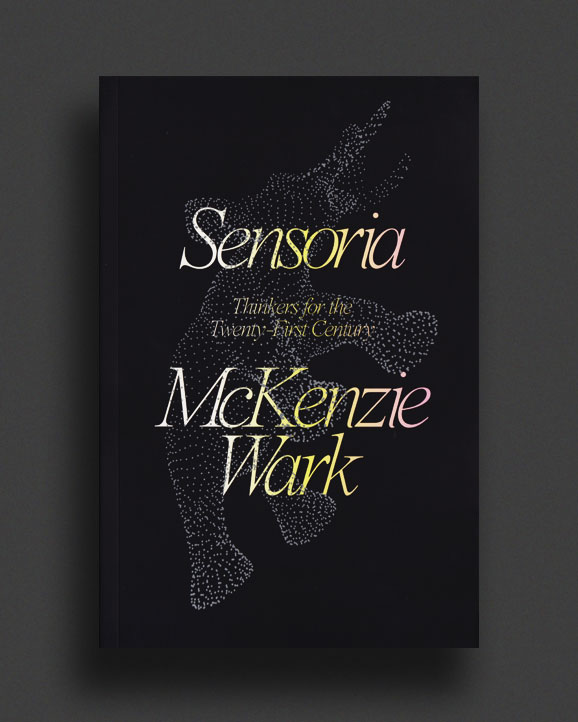
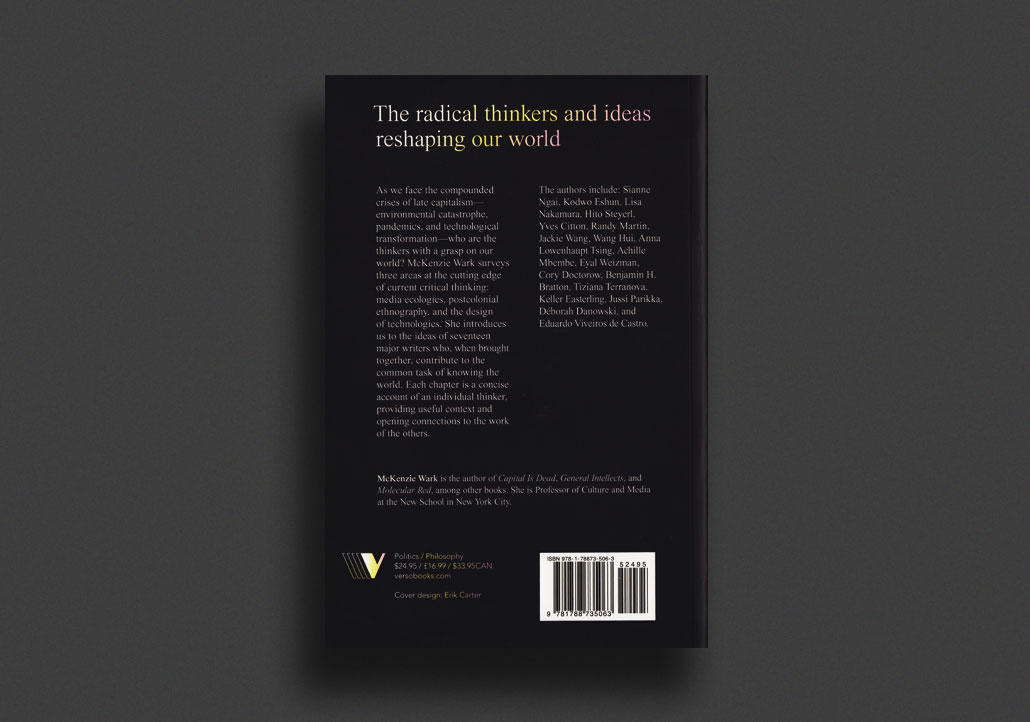
As we face the compounded crises of late capitalism, environmental catastrophe and technological transformation, who are the thinkers and the ideas who will allow us to understand the world we live in? McKenzie Wark surveys three areas at the cutting edge of current critical thinking: media ecologies, post-colonial ethnographies, and the design of technology, and introduces us to the thinking of seventeen major writers who, combined, contribute to the common task of knowing the world. Each chapter is a concise account of an individual thinker, providing useful context and connections to the work of the others.
The authors include: Sianne Ngai, Kodwo Eshun, Lisa Nakamura, Hito Steyerl, Yves Citton, Randy Martin, Jackie Wang, Wang Hui, Anna Lowenhaupt Tsing, Achille Mbembe, Eyal Weizman, Cory Doctorow, Benjamin Bratton, Tiziana Terranova, Keller Easterling, Jussi Parikka, Deborah Danowich and Eduardo Viveiros de Castro
Wark argues that we are too often told that expertise is obtained by specialisation. Sensoria connects the themes and arguments across intellectual silos. The book is a vital and timely introduction to the future both as a warning but also as a roadmap for how we might find our way out of the current crisis.
Published by Verso, 2020
2020, English
Softcover, 112 pages, 21 x 14 cm
Published by
Nightboat Books / New York
$29.00 - Out of stock
The twentieth-anniversary edition of an early autofiction classic.
Part love story, part indictment, debut novel Outline of My Lover (first published in 2000) traces our society’s damaging obsession with celebrity. Douglas A. Martin pays tribute to both Marguerite Duras and the late Kathy Acker with an Ackeresque rewriting of Duras’ The Lover.
On the fringes of the music scene in a Southern college town, a lonely young student driven to flee a troubled adolescence pursues and forms a life-altering relationship with an acclaimed artist-musician. Their understanding develops in a pattern of sex and reticence, soon impacting both their paths and greatly shifting expectations. Written "as if telling the truth was a matter of survival" (Andrew O'Hagan), it is a queer bildungsroman.
2003, Japanese
Hardcover (w. dust jacket and obi strip), 27.2 x 23.6 cm
1st Edition, Out of print title / used / very good
Published by
Tokuma Shoten - Studio Ghibli / Japan
$140.00 - In stock -
First hardcover edition of the world's first artist's book written by Russian animation artist Yuri Norstein, and published only in Japan by Isao Takahata and Hayao Miyazaki of Studio Ghibli.
Translated by Hiroko Kojima, the title refers to the nickname of Norstein's wife, Russian artist Franchesca Yarbusova. It describes in Norstein's own words his childhood memories and his life with close-collaborator Yarbusova. The book reveals the secrets of the creation and process of his award-winning animations, including the landscapes and the people who became the models for the characters in his films. Lavishly illustrated throughout with countless drawings and paintings for his films "The Fox and the Hare" (1973), "The Heron and the Crane" (1974), "Hedgehog in The Fog" (1975), "Tale of Tales" (1979), and his unfinished masterpiece "The Overcoat", amongst others, the book weaves Norstein's film imagery, character studies, and photographs together with his deeply personal reflections and life experiences, alongside biographies of both Norstein and Franchesca Yarbusova. A very special book, heavily illustrated throughout.
Yuri Norstein (b. 1941) is a Soviet and Russian animator. Born to Jewish parents and raised in a Moscow suburb, Yuri Norstein painted as a hobby and trained as a carpenter before studying animation. He directed his first film in 1968 and made a series of short films notable for their attention to atmosphere and fine detail, using his sophisticated multiplane camera technique to create the illusion of shifting three-dimensional depth. Throughout the 1970s Norstein was prolific, working on many award-winning films including Hedgehog in the Fog (1975), one of the director's most widely known works, and his 1979 film Tale of Tales, acclaimed by animation experts as the best animated film of all time.
Very Good copy in Good dust jacket (with some very light edge wear), preserved with publisher's original obi-strip in mylar wrap.
2004, Japanese / English / Russian
Softcover (in card slipcase), 242 pages, 30.6 x 27.6 cm
1st Edition, Out of print title / used / fine
Published by
Fusion / Tokyo
$200.00 - Out of stock
The best book ever made on the work of the great Soviet and Russian animator Yuri Norstein (b. 1941). Born to Jewish parents and raised in a Moscow suburb, Yuri Norstein painted as a hobby and trained as a carpenter before studying animation. He directed his first film in 1968 and made a series of short films notable for their attention to atmosphere and fine detail, using his sophisticated multiplane camera technique to create the illusion of shifting three-dimensional depth. Throughout the 1970s Norstein was prolific, working on many award-winning films including Hedgehog in the Fog (1975), one of the director's most widely known works, and his 1979 film, 'Tale of Tales', acclaimed by animation experts as the best animated film of all time.
This stunning oversized book was published in Japan-only in 2004 (now long out-of-print) and looks at the entire history of Norstein's masterful film works, thoughtfully designed using various paper stocks including wax films to mimic the effects of Norstein's animations. Housed in the original publisher's cardboard slipcase, "The Works of Yuri Norstein" is profusely illustrated to give the most intimate, in-depth introduction to his unique production process, including to-scale reproductions of his working character cut-outs, storyboards, esquisses, countless film stills, working materials and paintings used in the films, technique diagrams, illustrations and photographs, studio and personal photographs, and copious drawings of Norstein's beloved characters. Also includes historical texts on Norstein's life and career, biographies of Norstein and his frequent collaborator and wife, the award winning Russian artist Franchesca Yarbusova, and work index, and additional essays (in Japanese). All image captions and blurbs throughout the book are in English, Russian and Japanese. Very highly recommended!
Very Good-Fine copy preserved in VG-fine slipcase.
1974, Japanese
Softcover, 104 pages, 29.4 x 21.9 cm
1st Edition, Out of print title / used / good
Published by
PARCO / Tokyo
$50.00 - Out of stock
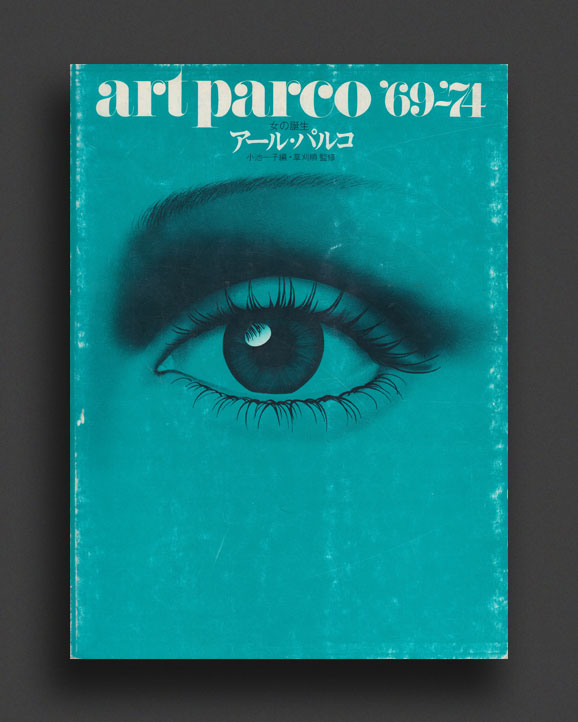
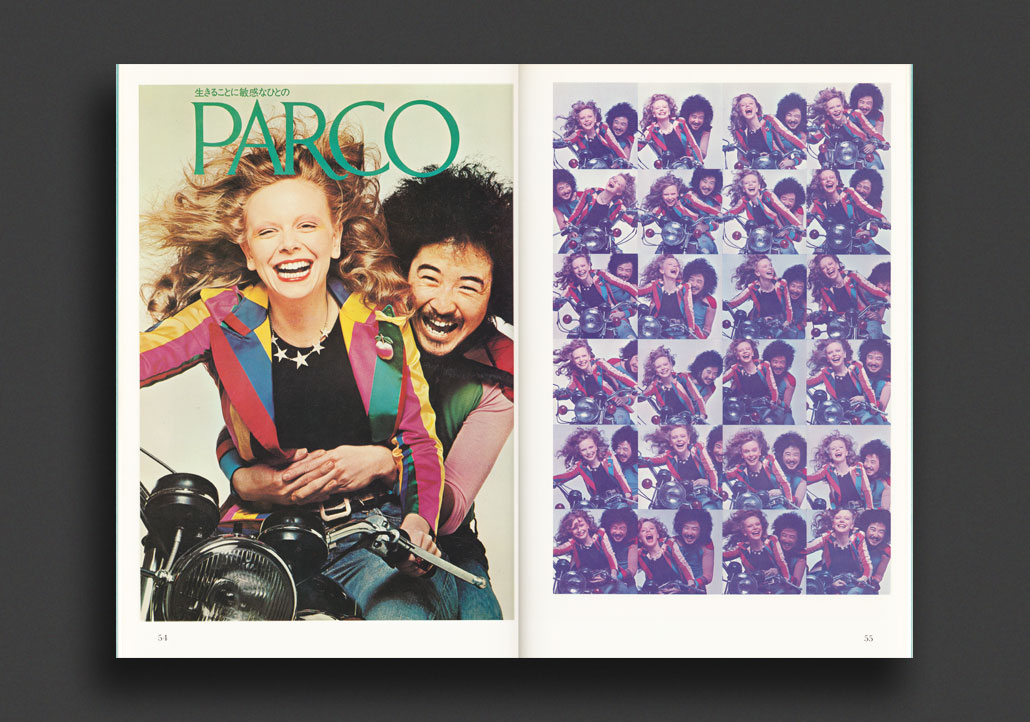
First edition of this slice of Japanese commercial design history documenting the art of Parco, Tokyo's department-store "Commercial Space" during these seminal years and the birth of the Parco girl of the 1970s. "...dedicated to those independent women who live and exist in the city and the men who lovingly watch over their way of living." With introductory text by author and curator Kazuko Koike, also responsible for the mighty Issey Miyake - East Meets West (1978), this book includes a series of illustrated short stories inspired by the graphics of Parco, conversations with two of the women behind the iconic visual language of Parco in the 1960s-1970s, airbrush artist Harumi Yamaguchi and legendary art director Eiko Ishioka, interviewed by photographer Shinpei Asai and iconic designer Shiro Kuramata, respectively. Includes a comprehensive, vividly illustrated chronicle of the art of Parco between '69 -'74, including all the iconic posters, campaigns, TV commercials, exhibitions, even shopping bags, featuring the work of many of Japan's leading graphic artists of the period. File beside Viva and Biba. Cover by Harumi Yamaguchi.
A modern department store dedicated to cutting edge fashion, Parco were also instrumental in exhibiting, publishing and promoting Japanese and international graphic artists and new pop culture throughout the 1960s-1990s.
Good copy with some shelf wear to covers. Otherwise Very Good throughout.
2020, English
Softcover, 76 pages, 11 x 18 cm
Ed. of 200,
Published by
Daisart / Naarm-Melbourne
$18.00 - Out of stock
“weeds change the colour of water”… is a speculative effort, one dreamt to collect ideas, interpretations, and interactions. By listening patiently, we may come to recognise some pattern in the tangle that surrounds and involves us – a spot to sense that, like a weed, we are insecurely tethered amid choppy and changing waters, which now, more than usual, have us flailing and adrift.
Features:
Hearing Australian Identity: Sites as Acoustic Spaces, an Audible Polyphony, Ros Bandt; Ephemeral Tears: Interview with Kazumichi Grime and Nick Wilson of Clan Analogue; "underneath a pile of rags": A playlist by friends of related "Australian" artists; that from which can be told is divided into two sections, Wound Without A Tear.
Extract:
Australian identity is a complex interplay of site, language and technology. Sound installations are powerful tools to access the collective consciousness associated with sites, each one an ever-changing audible polyphony. For each site there are many stories, dissolving around each other, some reflecting, some disappearing, many mutating according to the context, the time of hearing and the manner in which it is told. Sound carries layers of meaning and nonverbal information not possible with text-based accounts. The breath, the timbre, the speed and the intonation of each authentic voice influence the content and meaning of the spoken word. Utterance shapes narration and identity. Different voices when made audible side by side in a slipping mobile confluence, can inform each other in different and changing ways.
2020, English
Hardcover, 108 pages, 23 x 17 cm
Published by
Walther König / Köln
$59.00 - Out of stock
Gerhard Richter’s early period in Dresden ended in February 1961 with his escape from the DDR. The artist’s work in the West officially began at the end of 1962 with the painting listed number one in his works catalogue, “Tisch”.
The interval of one and a half years in between has remained largely ignored by art historians. It was during these months that Gerhard Richter, who still called himself “Gerd” at the time, tried to find his feet in his new surroundings in Düsseldorf.
The book presents numerous letters, photographs and documents, as well as pictures from this period and chronicles Richter’s experiences and search for a new artistic beginning.
2020, English
Hardcover, 336 pages, 27 x 21.5 cm
Published by
Koenig Books / London
$98.00 - Out of stock
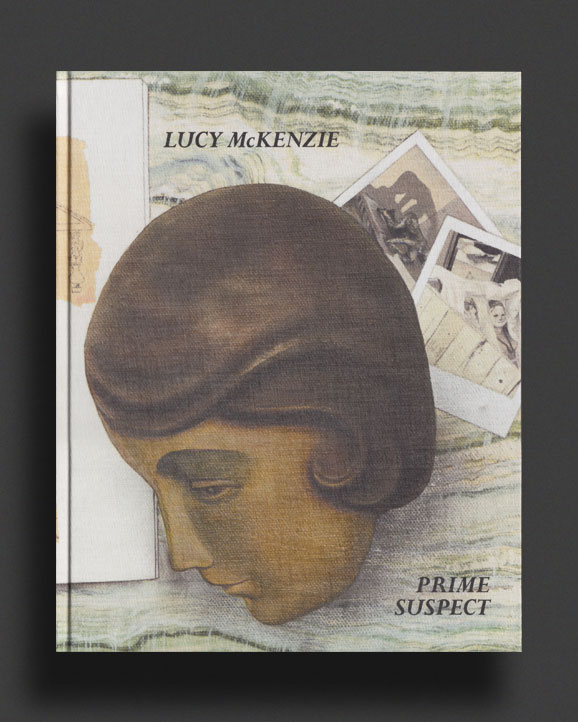
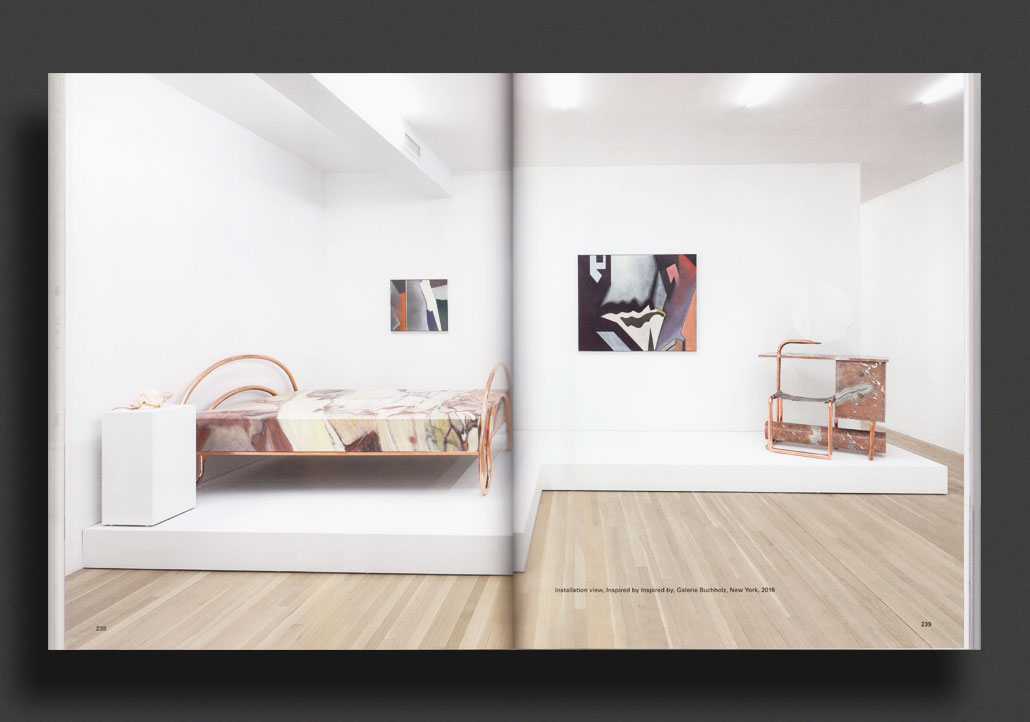
‘Prime Suspect’ is the first international survey exhibition of the Brussels-based Scottish artist, Lucy McKenzie (b. 1977).
The exhibition at Museum Brandhorst brings together all of the artist’s significant bodies of work from 1997 to the present.
This extensive and profusely illustrated catalogue documents the full range of McKenzie’s oeuvre – from her early works exploring the pageantry and iconography of international sport and the politics of postwar muralism, through her engagement with fin-de-siècle architecture and interior design and mid-century Belgian illustration.
Through her ongoing research into the intertwined histories of art, fashion and retail display, McKenzie has established herself among the most singular artistic voices of her generation.
2020, English
Softcover (spiral-bound), 244 pages, 31 x 24 cm
Published by
Serpentine Gallery / London
$98.00 - Out of stock
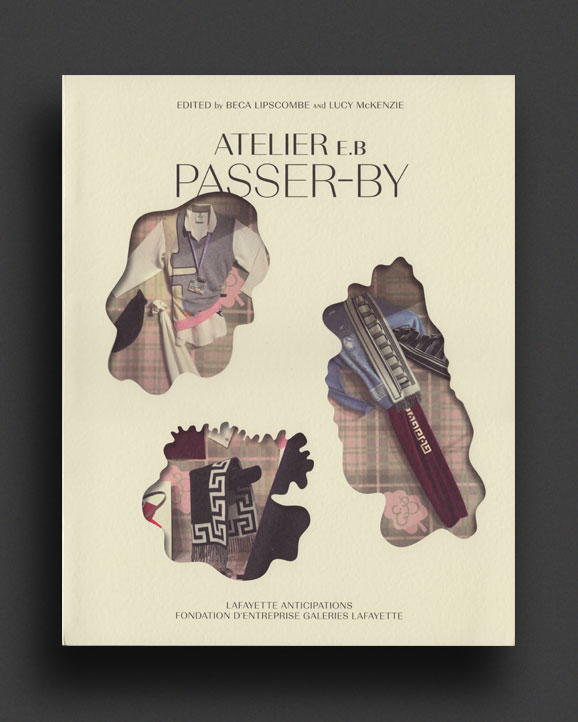
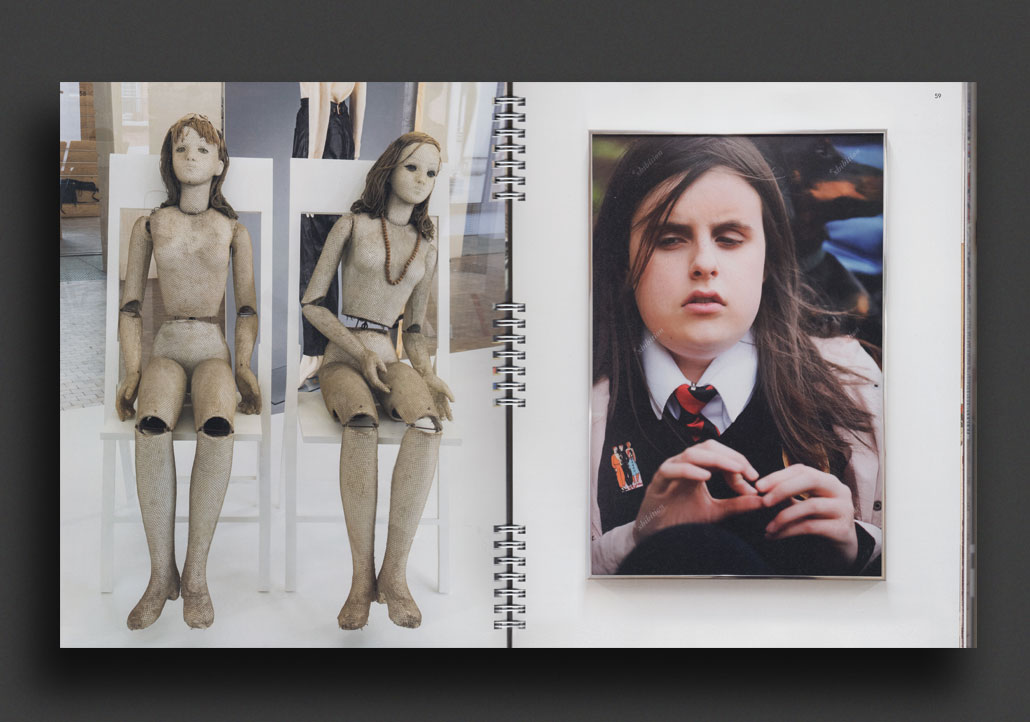
‘Atelier E.B: Passer-by’ examines an essential facet of the fashion industry: the world of mannequins and retail display.
Since the Surrealists took them up in the early twentieth century, mannequin have been an enduring motif within fine art. Lipscombe and McKenzie un-pack the disciplines of window dressing, look to radical thinkers and makers who dissolved the dividing line between fine art and commercial display, and piece together a compelling narrative that encompasses ethnography, statuary, dolls, the world fairs and our digital future.
This catalogue, like the traveling exhibition, is a meticulous and idiosyncratic study of the hierarchies which have historically separated the spheres of art and design, examining the border between commercial display and exhibition-making.
English and French text. Co-published with Lafayette. Accompanies the touring exhibition ‘Atelier EB: Passer-by’, travelling to Serpentine Galleries, London 2019: Lafayette Anticipations, Paris, 2019, and Garage Museum of Contemporary Art, Moscow, 2020.
2020, English
Hardcover, 432 pages, 25 x 30 cm
Published by
Hirmer / Münich
$100.00 - Out of stock
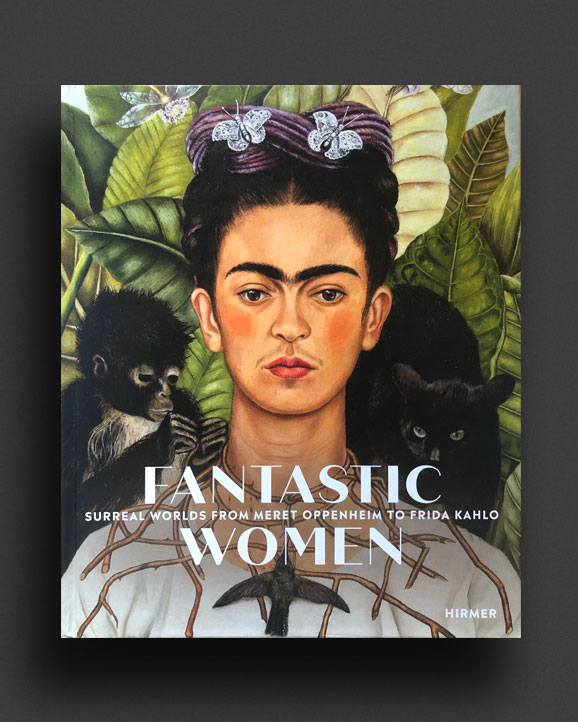
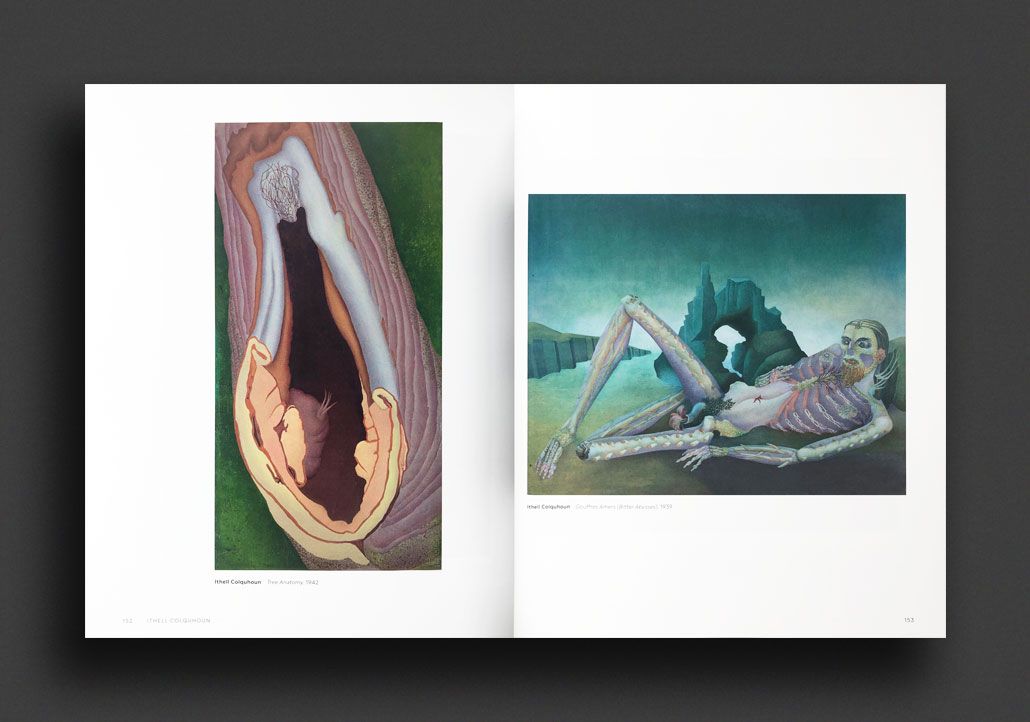
Comprehensive hardcover catalogue published to accompany the first major presentation of women surrealist artists at the Schirn Kunsthalle, Frankfurt, and Louisiana Museum of Modern Art, Humlebæk. This groundbreaking exhibition shows that women played a more important and numerous role in Surrealism than in any other artistic avant-garde movement. Mostly connected through their association with Surrealist co-founder André Breton, Surrealism nurtured a prolific group of women artists who actively took part in the seminal exhibitions and publications of the day and expanded the formulations of the movement, taking on different roles in search for a (new) model of female and artistic identity. This expansive exhibition and catalogue revisits their diverse Imaginaries and underlines the consistency of their social and even political positions, spanning networks from Europe/UK to the US and Mexico.
“On the whole, the [Surrealist] movement in many ways strikes as decidedly ‘feminine’, since it rejected all traditionally masculine, patriarchal, and imperialist structures,” notes curator Dr. Ingrid Pfeiffer. This scholarly exhibition reveals how the movement was shaped by many more female artists than art historians have hitherto recognized.
Profusely illustrated throughout with essays by Patricia Allmer, Tere Arcq, Kirsten Degel, Heike Eipeldauer, Annabelle Görgen-Lammers, Rebecca Herlemann, Karoline Hille, Silvano Levy, Alyce Mahon, Christiane Meyer-Thoss, Laura Neve, Ingrid Pfeiffer, and Gabriel Weisz Carrington as well as biographies of the individual artists.
Artists featured : Eileen Agar, Lola Álvarez Bravo, Rachel Baes, Louise Bourgeois, Emmy Bridgwater, Claude Cahun, Leonora Carrington, Ithell Colquhoun, Maya Deren, Germaine Dulac, Nusch Éluard, Leonor Fini, Graverol, Valentine Hugo, Frida Kahlo, Rita Kernn-Larsen, Greta Knutson, Jacqueline Lamba, Sheila Legge, Dora Maar, Emila Medková, Lee Miller, Suzanne Muzard, Meret Oppenheim, Valentine Penrose, Alice Rahon, Edith Rimmington, Kay Sage, Sophie Taeuber-Arp, Jeannette Tanguy, Dorothea Tanning, Elsa Thoresen, Bridget Tichenor, Toyen, Remedios Varo, Unica Zürn
2020, English
Softcover, 80 pages, 22 x 24 cm
Published by
Ridinghouse / London
$55.00 - Out of stock
First ever monograph in English on the acclaimed Serbian sculptor, Olga Jevrić. This publication offers a unique opportunity to discover the work of Olga Jevrić (1922–2014), a remarkable Serbian artist whose long and distinguished career established her as the most significant modernist sculptor from former Yugoslavia.
Jevrić travelled and exhibited extensively during the 1950s and 1960s, and in 1958 she represented Yugoslavia at the Venice Biennale. While her work was celebrated by her contemporaries both in Europe and America, and although she continued working into the 2000s, economic, social and geopolitical upheavals meant that her work has been little seen outside Serbia in the last four decades.
As a witness to the Second World War and its aftermath, Jevrić sought to give voice to the spiritual roots, cultural foundation and social conditions of the besieged, war-torn environment in which her work developed. Through her materials – primarily a mixture of cement, iron oxide, rods and nails – she created distinctive forms that communicate the relationship between matter and void; weight and weightlessness; containment and release.
This collection of texts and images provides a range of perspectives on Jevrić’s work. The acclaimed Serbian art historian Ješa Denegri has written a thoroughly researched overview of the artist that offers invaluable insights into the context and circumstances within which she worked. This is further explored in Fedja Klikovac’s introduction, where he also shares his personal reminiscences of encountering her work as an art student in Belgrade and of visiting her studio shortly before her death.
Two of Britain’s most celebrated sculptors also offer responses to Jevrić’s work: Richard Deacon recounts how deeply struck he was by her sculptures while on a number of teaching visits to Belgrade; while Phyllida Barlow’s text adopts a prose-poem form to present a meditation on Jevrić’s work that draws the reader into the artist’s world of creative expression. The book closes with a philosophical reading of the artist’s work by artist Joan Key.
2017, English
Hardcover, 319 pages, 23 x 27.5 cm
Published by
Hammer / Los Angeles
Prestel / Munich
$95.00 - Out of stock
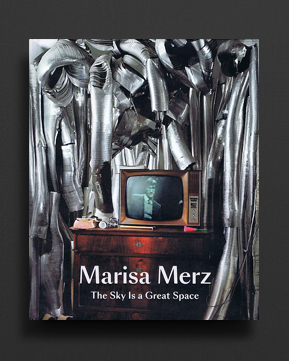
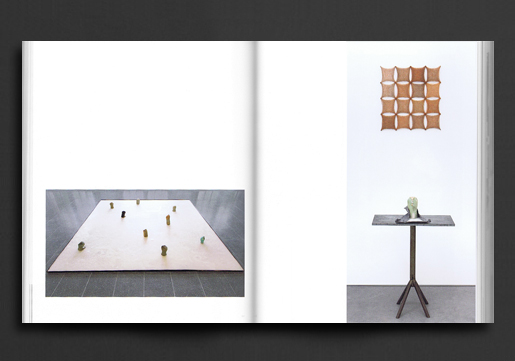
Bringing together five decades of painting, sculpture, and installations from the celebrated Italian artist Marisa Merz, this major hardcover monograph accompanies a major US retrospective of her work. This generously illustrated book offers readers the chance to appreciate the full range of works by Marisa Merz, winner of the 2013 Golden Lion lifetime achievement award at the Venice Biennale. This volume traces Merz's artistic evolution from early experiments with non-traditional materials and processes, to intricately constructed installations of the 1970s and the enigmatic ceramic heads of the 1980s and '90s. Authoritative essays explore the rise of international women's art in the 1960s and '70s and Merz's own place in Italy's postwar art history. As the sole female protagonist of Arte Povera she is one of the few Italian women to exhibit in major venues internationally. Merz's challenging and evocative body of work is deeply personal and resistant to the categories of art history, including Arte Povera and international feminist art, with which she was associated. Previously unpublished texts and poetry by the artist, and an illustrated chronology, complement this comprehensive look at an enormously influential artist.
Texts by Connie Butler, Ian Alteveer, Carolyn Christov-Bakargiev, Leslie Cozzi, Teresa Kittler, Lucia Re, Cloe Perrone, Tommaso Trini.
2020, English
Softcover, 200 pages, 20 x 13 cm
Published by
Zatezalo Press / Melbourne
$25.00 - In stock -
A train derails in a Barcelona apartment.
A video jerks on a barbecue grill.
A pair of spectacles:
a flip-book
and
a story that runs on tracks.
Published by Zatezalo Press, a Melbourne based imprint focusing on paperback books from contemporary Australian artists. Each book is an edition of 100.
Lou Hubbard is a Melbourne based artist and Senior Lecturer in Photography at the Victorian College of the Arts. Her practice encompasses painting, drawing, sculpture, photography and the moving image to interrogate the nature of training, submission and subordination.
1966, German
Softcover, 106 pages, 23 x 13.5
1st Edition, Out of print title / used / good
Published by
Städtisches Museum / Leverkusen
$65.00 - Out of stock
First edition Bernard Schultze exhibition catalogue published in 1966 to accompany the exhibition "Bernard Schultze" at the Städtisches Museum Schloß Morsbroich, Leverkusen. A beautiful catalogue printed on various paper stocks throughout and lavishly illustrated with an overview of German artist Bernard Schultze's many works in vivid colour and b/w, accompanied by texts from Rolf Wedewer, Peter W. Jansen and Bernard Schultze.
Bernard Schultze (1915–2005) was a German abstract painter and integral figure of the Art Informel movement. He was notably the founder of the Quadriga collective, which included such artists as Otto Greis Karl Otto Götz, and Heinz Kreutz. Characterized by their gestural abstraction, Shultze’s works regularly feature brilliant, fluorescent colors morphing in and out of implied representation, forming fantastical landscapes, figures, and languages. Often highly textural, he is noted for his use of textile and sculptural relief throughout his painting practice. Sadly all of Schultze's early works, produced before 1945, were destroyed as a result of a 1945 air raid on Berlin. On 7 July 1955 he married painter Ursula Bluhm. The artist died in 2005 in Cologne, Germany at the age of 89, having continued painting until the end of his life.
Good copy with previous owner eraser marks to cover. Otherwise Very Good, clean and tightly bound throughout.
1966, German
Softcover, 52 pages, 20 x 19 cm
1st Edition, Out of print title / used / very good
Published by
Haus am Waldsee / Berlin
$65.00 - Out of stock
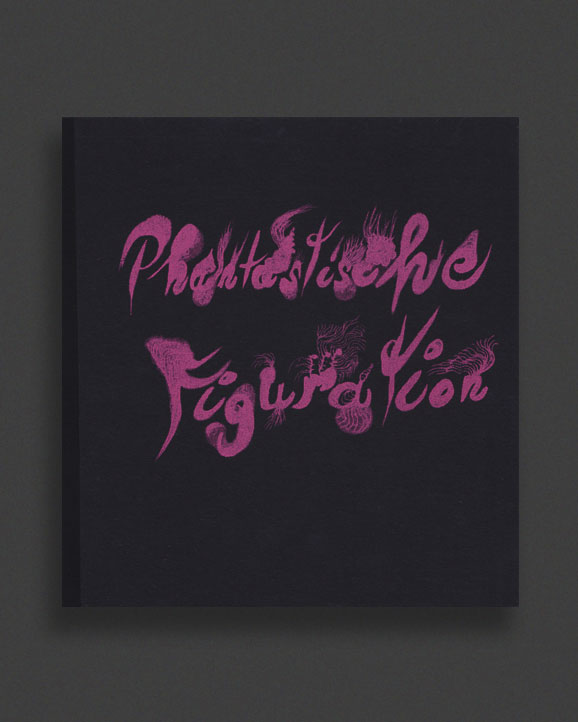
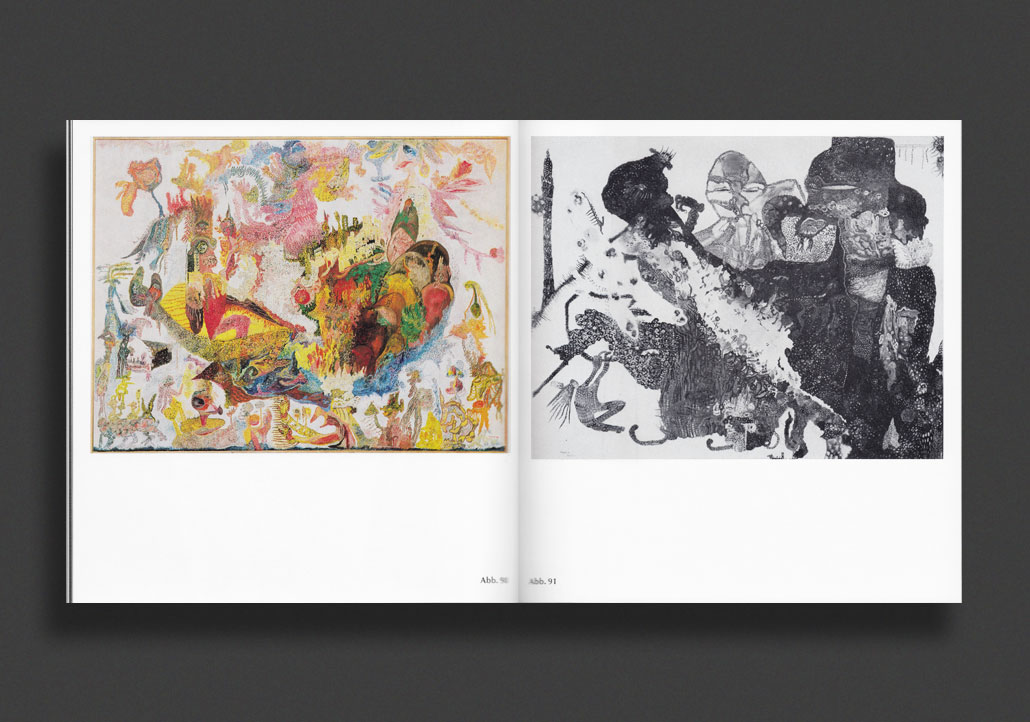
Gorgeous first edition catalogue from 1966 published on the occasion of the exhibition "Phantastische Figuration" at Haus am Waldsee in Berlin. Featuring the work of Paul Wunderlich, Hans Bellmer, Gerhard Altenbourg, Richard Oelze, Friedrich Schröder-Sonnenstern, Ursula (Schultze-Bluhm), this beautifully printed catalogue is illustrated throughout in colour and b/w with biographies and portraits for each exhibiting artist. With a foreword by Edouard Roditi.
Fine copy in stiff silkscreened covers.
1970, German
Softcover, 36 pages, 21 x 15 cm
1st Edition, Out of print title / used / very good
Published by
Galerie Wolfgang Gurlitt / Münich
$55.00 - Out of stock
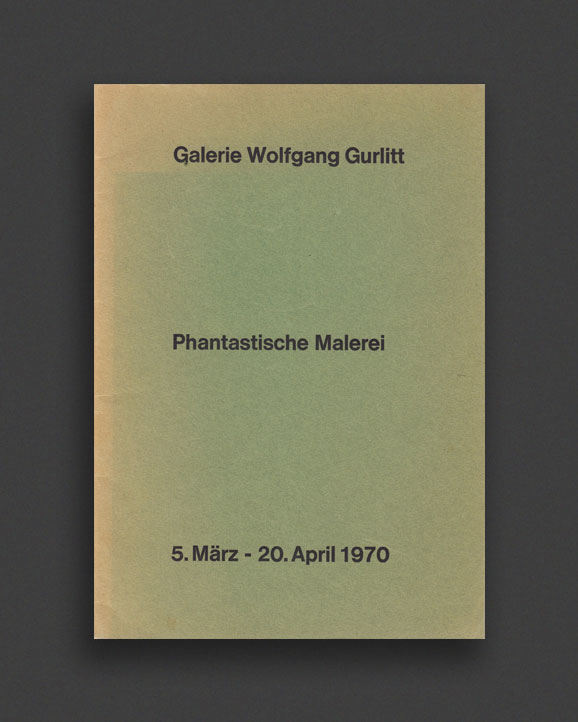
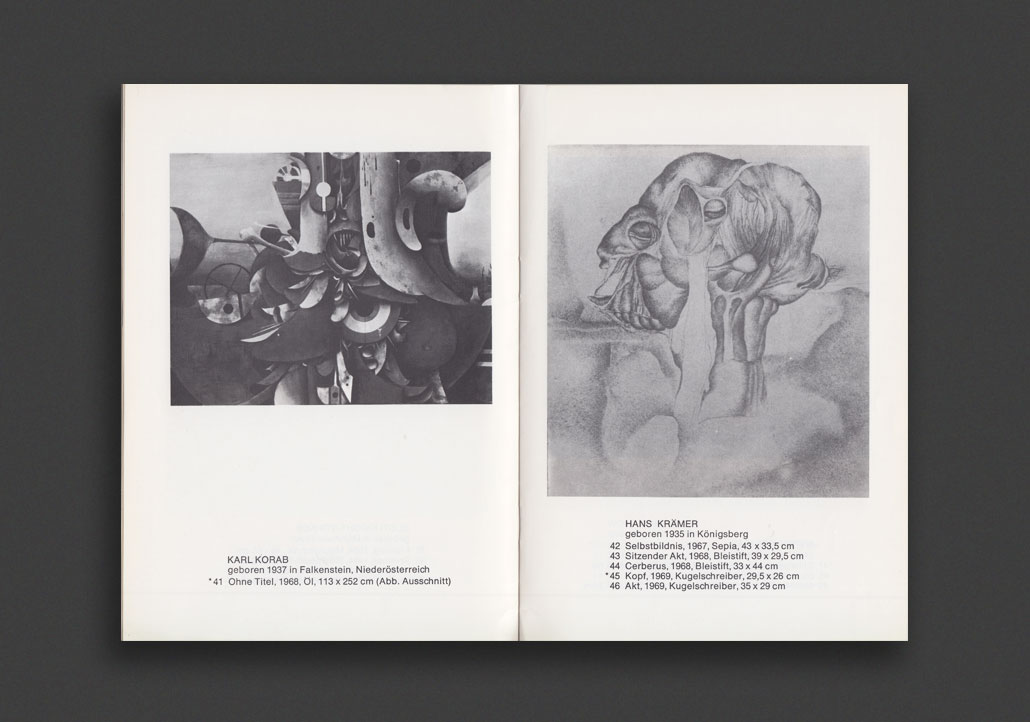
First edition of this scarce catalogue published on the occasion of the group exhibition "Phantastische Malerei" at Galerie Wolfgang Gurlitt in Münich in 1970. An rare and illuminating overview of German fantastic and Surrealist painters and graphic artists, many seldom documented in print. Illustrated throughout with examples of work by all exhibiting artists alongside a short bio and catalogue of exhibited works. Artists : Bele Bachem, Karlheinz Bauer, Gisela Breitling, Peter Collien, Edgar Ende, Ernst Fuchs, Thomas Häfner, Siegbert Hahn, Claus-Dietrich Hentschel, Siegfried Klapper, Gusti Knight-Stinnes, Karl Korab, Hans Kramer, Anton Krejcar, Wolfgang Lenz, Wolfgang Lettl, Helmut Lincke, Reny Lohner, Franz Luby, Pit Morell, Andreas Nottebohm, Franz Radziwill, C. Walter Rauh, Kurt Regschek, Heinz Rose, Friedrich Schröder-Sonnenstern, Bernard Schultze, Rainer Schwarz, Manfred Sillner, Helmut Ullrich, Ursula, Mac Zimmermann, Rudolf Zündel.
Very Good copy with tanning to edges and light spine wear.
1993 / 2005, Japanese / English
Softcover (2 volume set in hard slipcase), french-folds, 122 and 24 pages, 21.5 x 26.5 cm
1st Edition, Out of print title / used / very good
Published by
Ikeda Museum of 20th Century Art / Itō
$220.00 - Out of stock
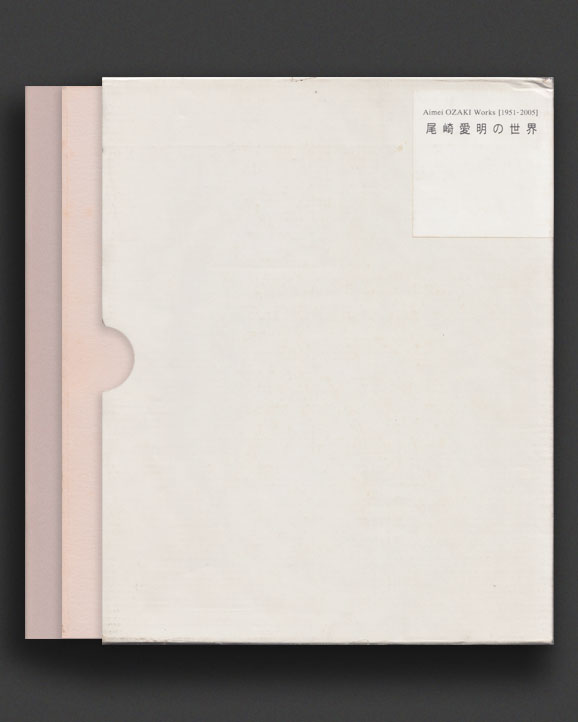
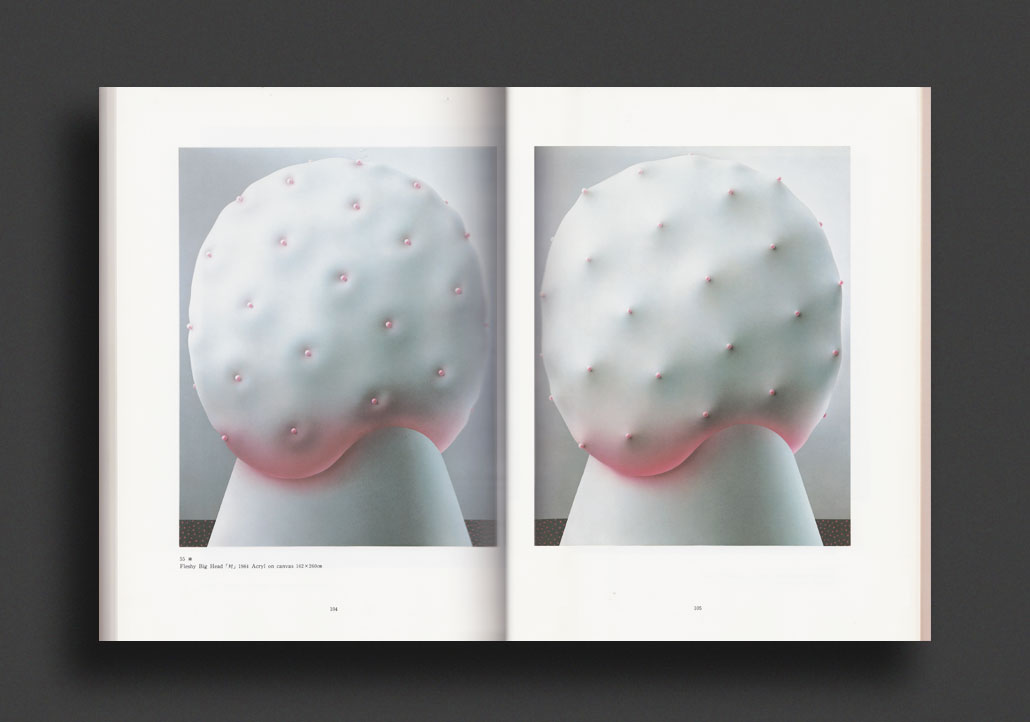
Extremely rare, one-and-only monograph on master of airbrushed eroticism, Japanese artist Aimei Ozaki, published to accompany "Natural History of Eros and Thanatos", a retrospective survey of his work at Ikeda Museum of 20th Century Art in 1993. Surveying his entire career to date this lavishly illustrated slipcased volume reproduces Ozaki's exceptional work throughout the years 1951-1992, and this special copy comes with the additional volume published by Muramatsu Gallery on the occasion of the exhibition "Amorphous Works 1995-2005" covering his later work, 1995-2005, and published as a supplement to the earlier book here. Rarely seen as a special slipcased double-volume this set comprises the most comprehensive overview of Ozaki's highly individual paintings set to print. Never exhibiting outside of Japan, Aimei Ozaki (b. 1933 Nezu, Tokyo) began showing his work in 1964 when he took a great interest in biomorphism and the "morphology of transfiguration and reduction" as the theme of his pictorial expressions, from his early neo expressionism and mixed media pop paintings developing into his iconic masterful erotic depictions of flowers, cacti, birds and the human body inspired by Baudelaire through his immaculate airbrushed paintings of the 1970s and 80s. Accompanying texts, including essay by Yoshida Yoshie, biography, catalogue, exhibition history, portrait, and much more, in Japanese and English.
Very Good copy with light wear. Slipcase preserved in mylar wrap.
2018, English / Spanish
Softcover, 96 pages, 33 x 23 cm
Published by
Koenig Books / London
CA2M Centro de Arte Dos de Mayo / Madrid
$59.00 - Out of stock
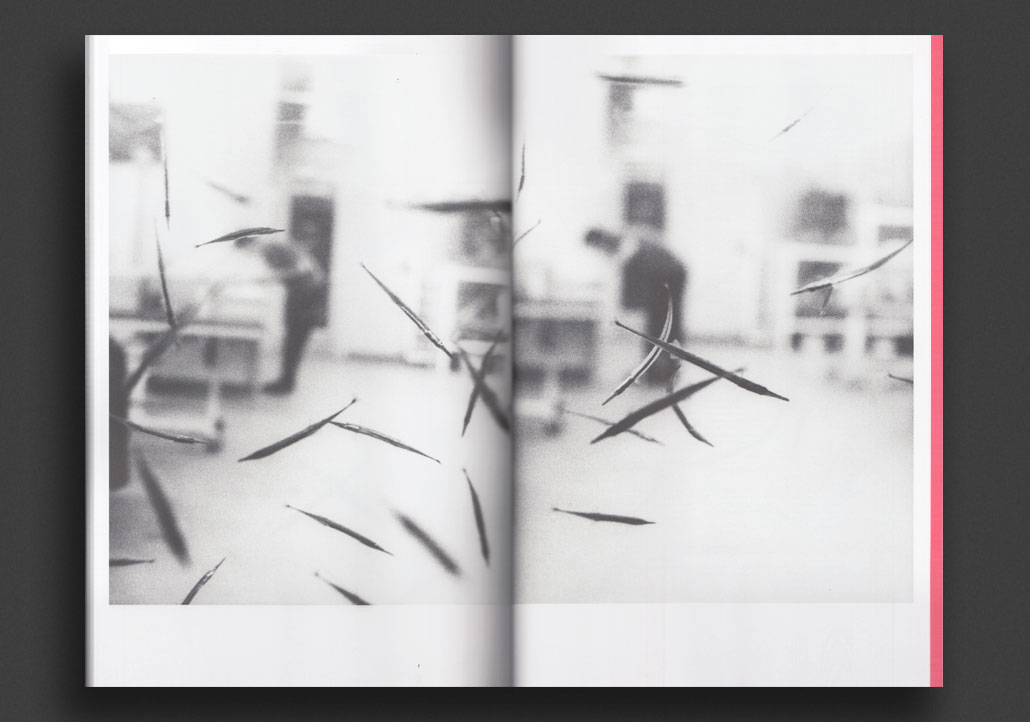
The work of Jochen Lempert (b. 1958) engages with photography from the optic of research and visuality, very often with the intention of questioning the criteria behind a search for the truth and the models that shape the world.
The artist portrays the animal world in the most varied contexts: ranging from the natural habitat to Natural History museums, from the zoo to the city, in remote locations or in banal situations and objects.
In his tireless quest, Lempert has managed to create a vast archive of images that covers a wide spectrum spanning everything from everyday views to compositions that tend more towards abstraction.
This interest in the natural world as subject matter is coupled with an exhaustive examination of the properties and materiality of the photographic image. Analogue, in black and white, and developed in the darkroom, his photos refuse to be categorised and are removed from contemporary aesthetic canons.
Published on the occasion of the exhibition, Jochen Lempert at CA2M Centro de Arte Dos de Mayo, Madrid (1 June – 23 September 2018).
English and Spanish text.
2020, English / Japanese / French
Paperback, 192 pages, 22 x 30 cm
1st Edition, Out of print title / used / very good
Published by
Koenig Books / London
$110.00 - Out of stock
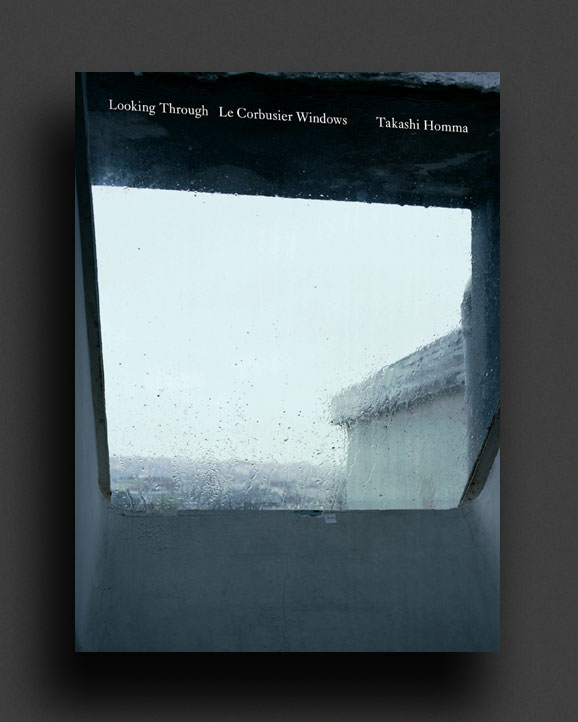
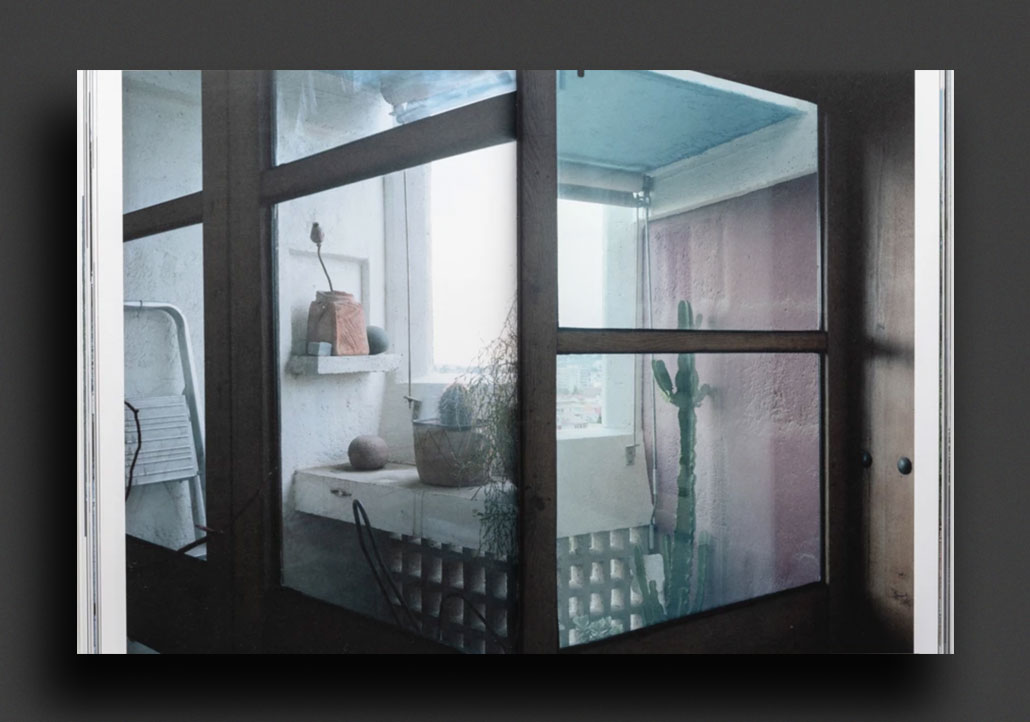
Takashi Homma first encountered the work of Le Corbusier and Pierre Jeanneret in Chandigarh, India in 2013, while producing photographs commissioned by the CCA. Following that experience, he decided to research and photograph the spatial and perceptual richness of windows in other works by Le Corbusier across the world. His research is part of the Windowology program initiated by the Window Research Institute, which aims to define the position of windows in the history of architecture across cultures—in this particular case, their role as spaces, rather than surfaces, that connect the interior of a building and the surrounding landscape, or the private and the public.
An essay by Tim Benton complements Homma’s photographs by tracing the evolution of the concept of windows in Le Corbusier’s work.
English, French and Japanese text.
2019, English
Softcover (w. die-cut jacket), 66 pages, 22 x 31.5 cm
Published by
MACK / London
$100.00 - In stock -
"An inexorable short circuit of beauty and violence" – Mousse Magazine
Out-of-print.
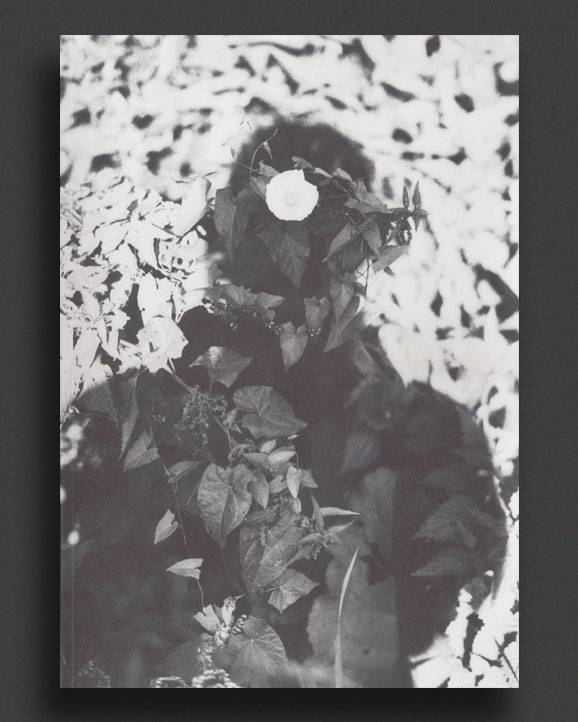
In this dark and beautiful book, Takashi Homma traces the blood trails of deer killed in Shiretoko National Park on the Japanese island of Hokkaido. Like ritualistic stains or calligraphic compositions, the photographs, which Homma made in the winters of 2009 to 2018, are at once abstract and symbolic. Considered by some to be sacred, deer in Japan have controversially faced culls due to their growing population, which upset agricultural communities struggling to protect their crops. To aid their mission in reducing numbers, the government encourages local hunters to take matters into their own hands. Homma photographs the effects – the red vestiges of wild life in the snow.
2020, Enlgish
Softcover, 336 pages, 19.1 x 23.5 cm
Published by
Eurock Publications / Portland
$60.00 - In stock -
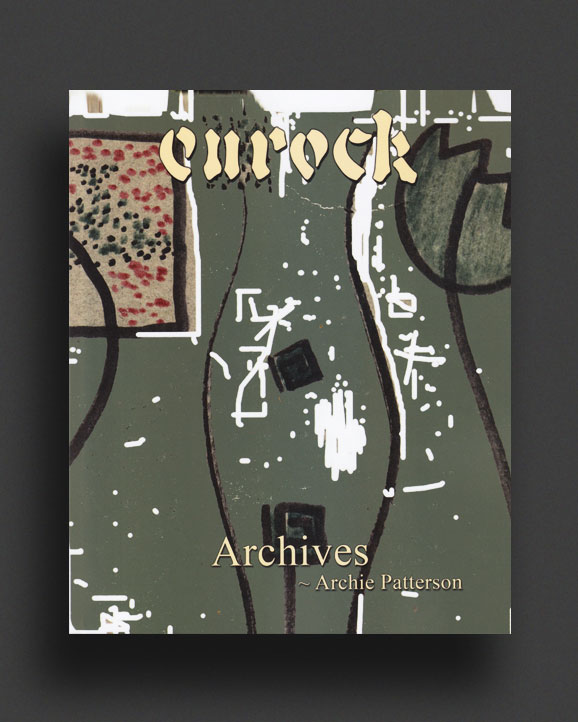
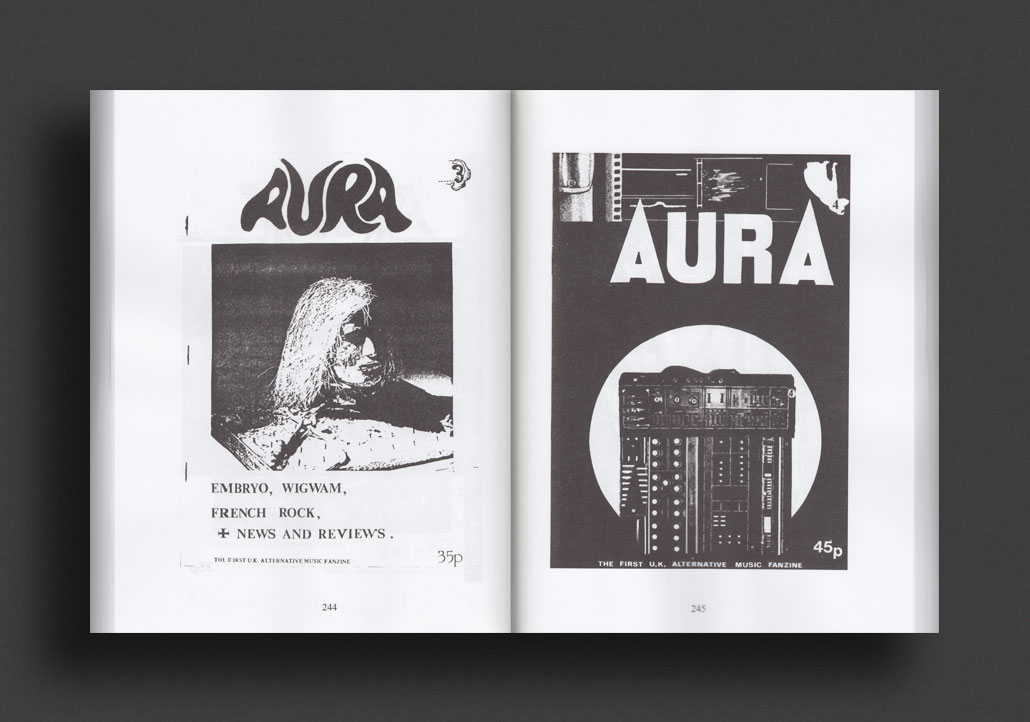
A collection of 'Artifacts' from the files of the legendary Eurock Magazine, "Archives" presents rare images, letters, and communiqués that help complete the intimate Eurock portrait of an era, the music and the friendships spanning 1970-2000. Haphazardly tracing Eurock founder Archie Patterson's life in music, "Archives" is at once both a visual scrapbook and idiosyncratic introduction to 1970s-80s experimental music networks around the world (Krautrock, Musique Française, Behind the Iron Curtain, Musica de Mexico, experimental music from Japan, Brazil, UK, Sweden, the labels, fanzines, distributions...), all heavily illustrated with ephemera, press images, hand-bills, letters, clippings, gig posters, zine covers, and much more.
Includes Cosmic Couriers, Klaus Schulze, Tangerine Dream, Ash Ra Tempel, Popol Vuh, Manuel Göttsching, Wallenstein, Witthüser & Westrupp, Floh de Cologne, Hoelderlin, Emtidi, Mythos, Amon Düül 2, Roedelius, Can, Konrad Schnitzler, Peter Baumann, Kraftwerk, Spacebox, Embryo, Lard Free, Guru Guru, Gilbert Artman, Urban Sax, Art Zoyd, Heldon, Etron Fou Leloublan, Patrick Gauthier, Ilitch, ZNR, Bernard Szajner, DDAA, Didier Bocquet, Wapassou, Univers Zero, Fondation, Shub Niggurath, Troll, Pascal Comelade, Eskaton, Christian Vander, Catherine Riberio + Alpes, Yochk'o Seffer, Luc Marianni, Pulsar, Pataphonie, Michail Chekalin, Patrick Vian, Plastic People of the Universe, Carlos Alvarado, Chac Mool, Decibel, Jorge Reyes, Far East Family Band, Stomu Yamash'ta, Magical Power Mako, Samla Mammas Manna, Aska Temple, Legendary Pink Dots, Michael Huygen, Vangelis, Neuronium, Klaus Schonning, Cybotron, Steve Maxwell Von Braund, Ian McFarlane, Rainbow Theatre, Kulu Hatha Mamma, Savage Rose, Metabolist, Henry Cow, Lemon Kittens, Half Japanese, Chrome, and many more...
Founded by Archie Patterson in Portland 1971 as an FM radio show in Central California, Eurock developed into the fanzine bible of European rock and electronic music, promoting space, cosmic music, krautrock, ambient, and experimental music through its pages and subsequent Intergalactic Trading Company and Paradox Music Mailorder services. Whilst releasing and distributing the "100 Points" recording by the imprisoned Czech underground band Plastic People of the Universe, consulting on film scores in LA (introducing director Michael Mann to Tangerine Dream), and teaching Rock music history classes in public high school, Archie published 45 issues of the invaluable, internationally distributed, vanguard Eurock magazine.
2007, English
Softcover, 718 pages, 17.8 x 25.4 cm
Published by
Eurock Publications / Portland
$80.00 - In stock -
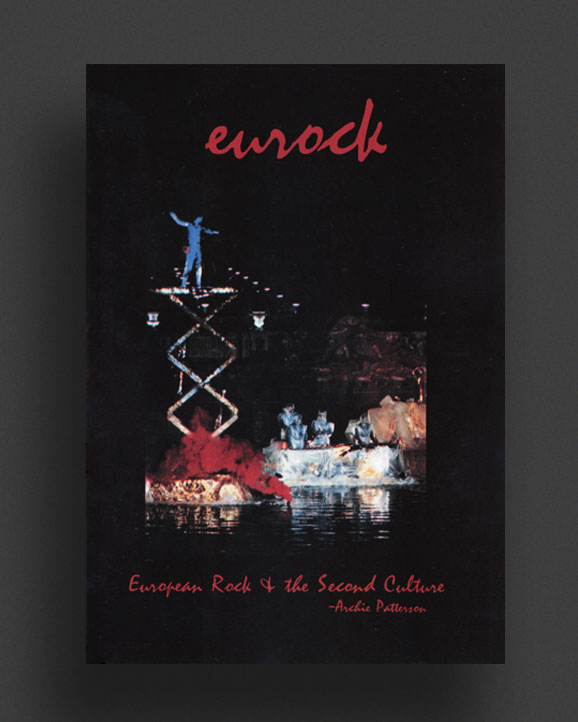
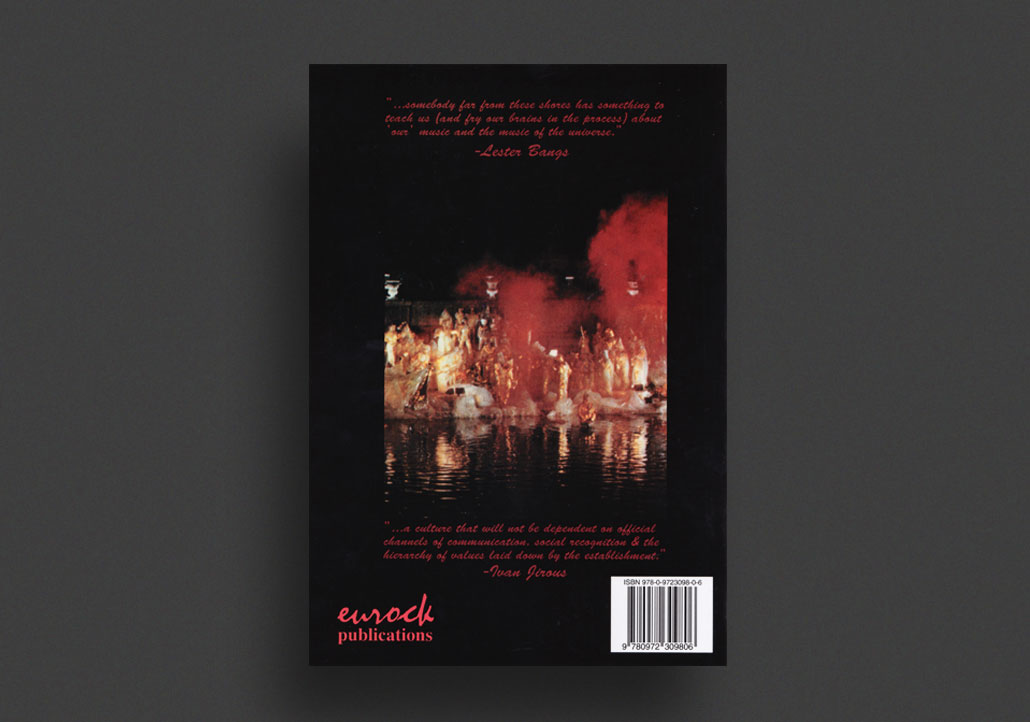
"the Second Culture ... a culture that will not be dependent on the official channels of communication, social recognition, and the hierarchy of values laid down by the establishment." – Ivan Jirous, Plastic People of the Universe
"Eurock Magazine documents a particular time in the world when the limits of imagination and what was possible sonically were stretched beyond the norm. The futuristic alchemy of free-flowing ions, mind-expanding chemical substances and mega-watts of electricity resulted in an explosion of creativity unparalleled in the history of rock music." – from foreword
European Rock & the Second Culture, "The Book of Eurock", compiles all the feature articles, interviews, reviews and essays published in Eurock Magazine during its existence from 1973 - 1992. Founded by Archie Patterson in Portland 1971 as an FM radio show in Central California, Eurock developed into the fanzine bible of European rock and electronic music, promoting space, cosmic music, krautrock, ambient, and experimental music through its pages and subsequent Intergalactic Trading Company and Paradox Music Mailorder services. Whilst releasing and distributing the "100 Points" recording by the imprisoned Czech underground band Plastic People of the Universe, consulting on film scores in LA (introducing director Michael Mann to Tangerine Dream), and teaching Rock music history classes in public high school, Archie published 45 issues of the invaluable, internationally distributed vanguard Eurock magazine.
At over 700 pages, European Rock & the Second Culture contains an enormous wealth of information, illustrated and collated in chronological order, and rounded off with an extensive index of the musical artists and subjects covered over 30 years. Includes Amon Düül, Faust, Heldon, ZNR, Can, Magma, Plastic People of the Universe, Urban Sax, Henry Cow, Klaus Schulze, Tangerine Dream, Ash Ra Tempel, Popol Vuh, Art Zoyd, Univers Zero, Pascal Comelade, Floh de Cologne, Hoelderlin, Emtidi, Mythos, Amon Düül 2, Konrad Schnitzler, Peter Michel Hamel, Savage Rose, Urban Sax, Neu, Embryo, Yochk'o Seffer, Wigwam, Catherine Riberio + Alpes, Chrome, Area, Kluster, ZAO, Ange, Tolonen, Sensation's Fix, Osanna, DDAA, Le Orme, Kraan, SBB, Omega, Mark Shreeve, Cyrille Verdeaux, Holger Czukay, Pekka Pohjola, Richard Pinhas, Tasavallan Presidentti, and many many more, plus the labels, the fanzines, the politics, and above all else, the spirit of the music.
A Special Bonus is the previously unpublished tome on Krautrock from 1971 by Lester Bangs, late Editor of Creem Magazine and gonzo rock journalist extraordinaire, Amon Düül - A Science Fiction Rock Spectacle: "the combined accomplishments of American and Limey bands have been seeded in less-sung rock scenes around the world, and some of these seeds are coming to the weirdest blooms heard in the Western world with the mostest bloom in one of the seemingly unlikeliest places imaginable: Scandinavia and Germany." – Lester Bangs
A must!